
It seems like everyone’s either talking about Ozempic or secretly taking Ozempic. First FDA approved as a diabetes treatment in 2017, Ozempic is the brand name for semaglutide, and its ability to help users quickly drop weight has made it the worst-kept secret in Hollywood. (It also bears mentioning that semaglutide is approved as a weight-loss drug only under the brand name Wegovy—confusing, we know).

Patients often report a transformation that includes:
- Fuller, youthful cheeks in the “before” photo
- Noticeable hollowing under the eyes and along the temples in the “after”
- A more angular or aged appearance, even if the body overall looks slimmer

Before and after examples include:
- Sunken cheeks and thinner jawline
- Wrinkles becoming more visible due to lost support under the skin
- Sagging skin in people over 40
These symptoms are more pronounced in patients with naturally leaner faces or older adults with lower collagen levels.
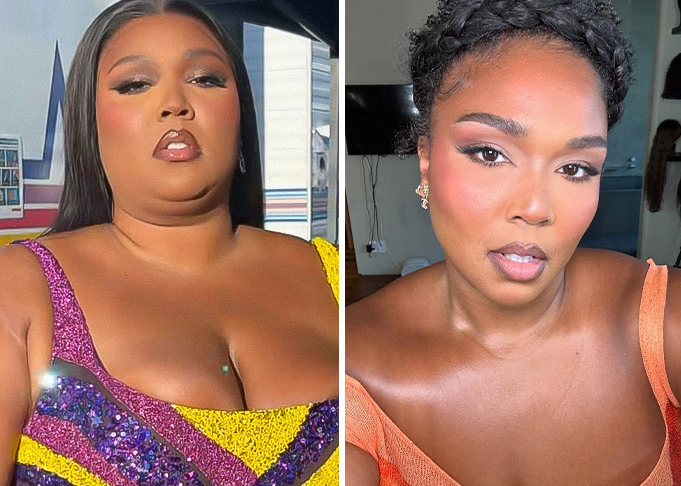
No—Ozempic face is not considered a medical risk, but it can feel emotionally distressing, especially when the changes appear suddenly. The facial hollowing, sagging skin, and overall aged appearance are a result of fat loss, not a harmful side effect of the medication itself.

Still, the emotional impact is real. Many patients report feeling less confident in their appearance, despite being healthier overall. This disconnect between physical health and aesthetic outcomes is what makes Ozempic face a concern for so many.
Ozempic face may have started as a trending term, but it reflects a real and visible effect of rapid weight loss—especially in the face. While it isn’t medically harmful, the sudden change in appearance can affect self-image and confidence.