

In the heart of southern Italy, where the sky blushed with the glow of dawn’s first light, stood a small village cradled by rolling green hills and ancient olive groves. Among these groves, the delicate fragrance of ripening olives danced with the warm breeze, a scent intertwined with tradition and history.
Elena Romano, at twenty-four, felt the weight of these traditions heavy on her shoulders. As the youngest daughter in a long line of olive farmers, the expectation that she would continue the family legacy was understood, unspoken but omnipresent. Her mother, Nonna Luna, a formidable woman with hands worn from years of labor, was the matriarch who kept the family rooted in its values.
Every morning, Elena would rise early, the first rays of sun illuminating her path to the olive fields. There, she would engage in the delicate dance of tending to the trees, her fingers brushing gently against the silver-green leaves, her mind adrift in thoughts far beyond the hills that surrounded her.
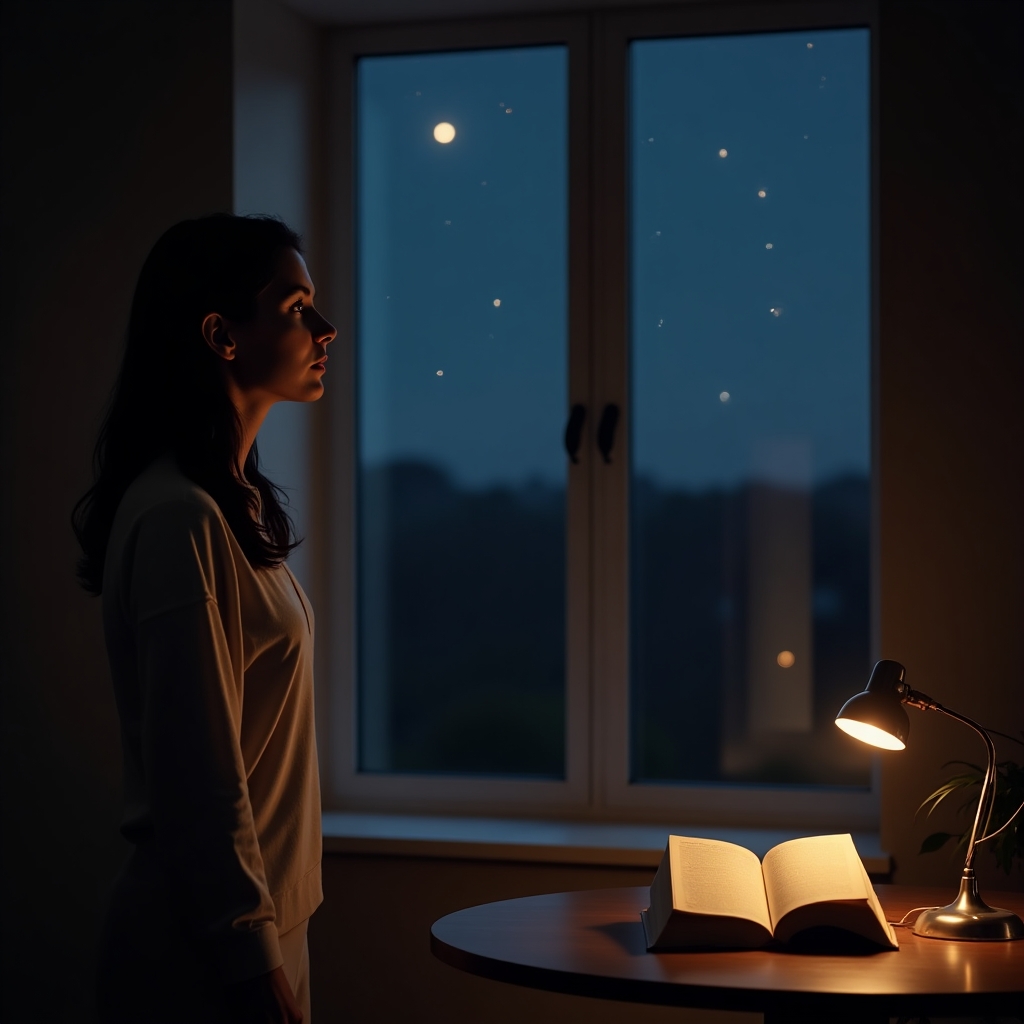
Elena had a secret. Since childhood, a passion for painting had bloomed within her, as vivid and alive as the sunsets she often captured on canvas. Her bedroom, hidden on the second floor of the farmhouse, was cluttered with sketches and unfinished paintings, each a testament to her dreams. Yet, this passion was a whisper compared to the roar of familial duty.
Quietly, day by day, Elena struggled between two worlds. The olive farm was her lineage, her identity entwined with generations past. The art, however, was her soul calling out for expression. It was as though two halves of her heart were at war, each pulling her in opposite directions.
Nonna Luna, with sharp eyes that missed little, began to notice Elena’s frequent absences from the fields and the distant look in her eyes. One afternoon, as they harvested olives together, the tension gently surfaced.
“Elena, cara mia, what fills your thoughts so deeply that the trees cannot reach you?” her grandmother asked, her voice as gentle as the caress of wind through the grove.
Elena hesitated, her heart skipping a beat. “Nonna, I… I think about colors. About ways to capture the beauty around us, the way the light touches the leaves…”
Nonna Luna nodded, her expression unreadable. “This is good, to see the beauty. But you must also see the work, the roots that hold us here.”
Elena felt a familiar pang, the sting of feeling understood yet not truly seen. “Yes, Nonna,” she replied, her voice barely a whisper.
Days passed, each one a repetition of the last. The conflict within Elena simmered quietly, like a pot about to boil over yet held in check by an invisible lid. It was not until the festival of San Giovanni, a celebration marking the harvest, that the lid was finally lifted.
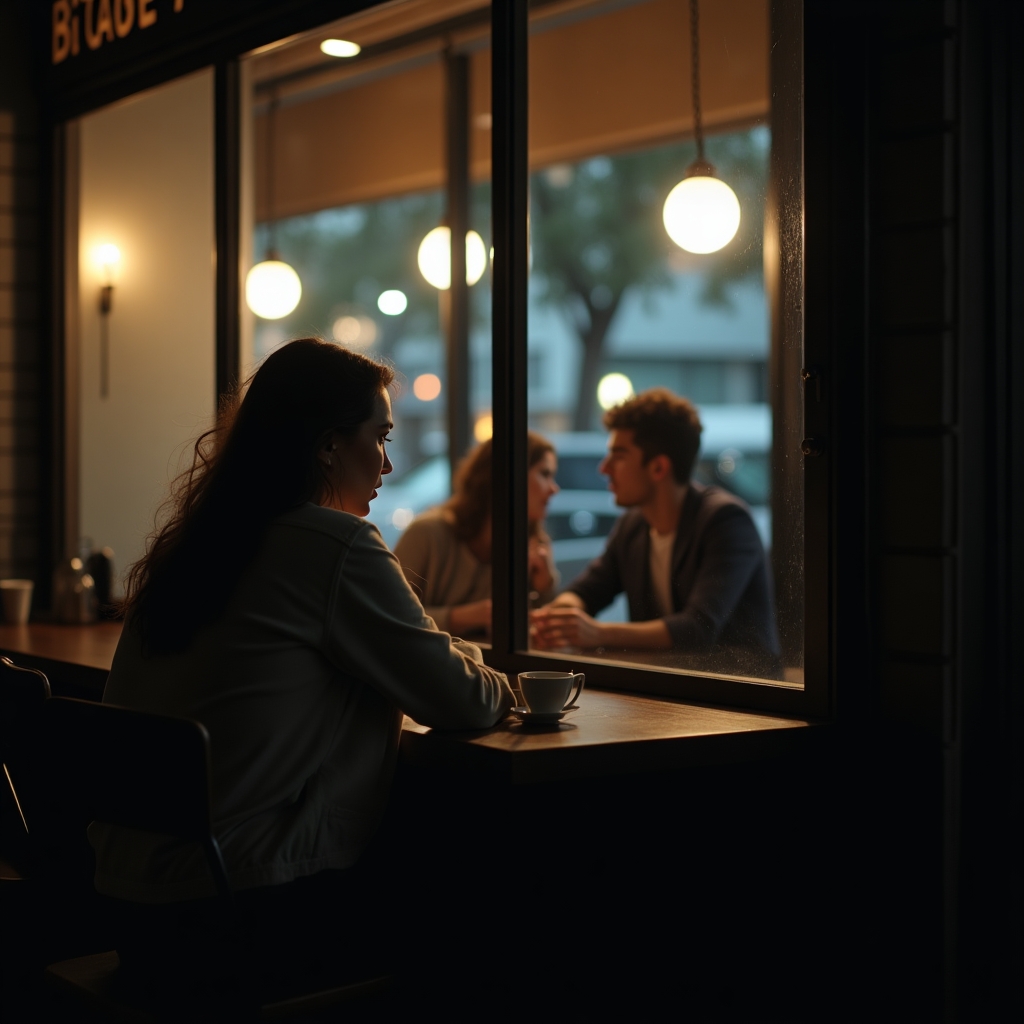
The village square was alive with music, laughter, and vibrant stalls displaying local crafts. Elena stood by a table where her own paintings, secretly displayed by her younger brother Marco, drew admiring eyes.
“Elena, these are magnificent!” exclaimed Signora Bianchi, a neighbor, her admiration echoing Elena’s own unspoken desires.
But it was not pride that welled up in Elena’s chest. It was fear, a corrosive uncertainty that her paintings would betray her family’s trust. Her heart thundered in her ears as she turned to see Nonna Luna, her expression a tapestry of understanding and inquiry.
“Nonna,” Elena began, her voice trembling, “I… I want to paint. I want to be more than…”
Nonna Luna’s gaze softened, and she took Elena’s hand, her touch grounding. “Elena, my olive tree, you are your own roots and branches. The family is here, but your heart must find its own soil.”
Tears welled in Elena’s eyes, an emotional clarity washing over her. She realized in that moment that she could honor her family’s legacy while also forging her own path. Painting would not sever her from them; it would add colors to the canvas of her lineage.
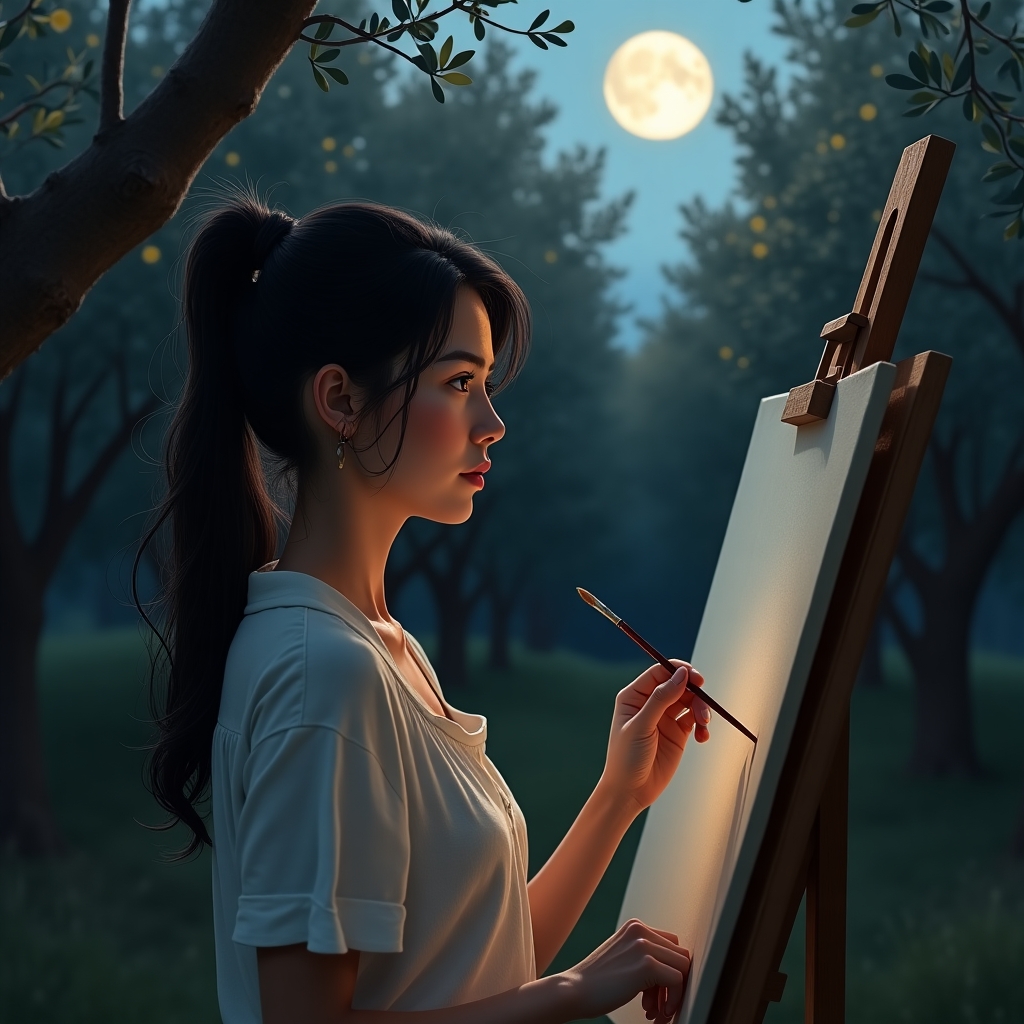
Later that night, under the blanket of stars, Elena stood in the grove, her easel set up before her. The moonlight glinted off the leaves, and with a deep breath, she began to paint. Each brushstroke was a declaration of her truth, a silent pact with the generations before and after her.
In the quiet of that night, Elena understood that emotional courage did not mean choosing one path over the other, but rather blending them into a unique tapestry of her own making.