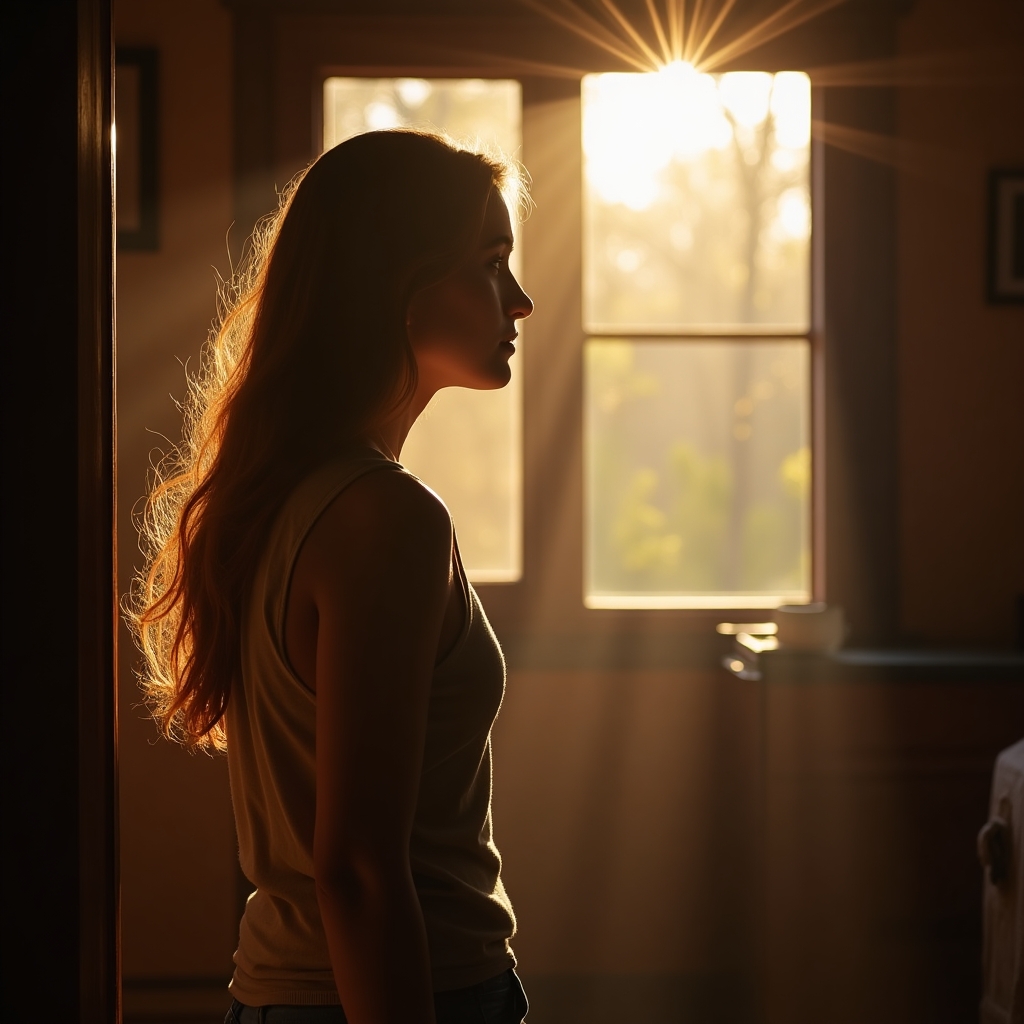




Meira sat on the edge of her bed, fingers tracing the embroidered pattern on her grandmother’s handmade quilt. The intricate swirls of jasmine flowers whispered tales of tradition, stories she had been told since she was old enough to understand the reverence of heritage. Her family, an unyielding tapestry of expectations and dreams, stood as a daunting backdrop against her own desires for independence.
Growing up in a close-knit Indian-American community in the suburbs of Chicago, Meira had always felt the weight of carrying her parents’ hopes alongside her own. The bustling streets of Mumbai, where her parents were born, seemed worlds away, yet their cultural echoes shaped her reality in the form of family gatherings, festivals, and, most imperatively, marrying within their cultural norms.
Her parents’ voices, though loving, often carried the unspoken mantra of conformity. “Meira, beta, it’s about time you think about marriage,” her mother would say, the warmth in her voice laced with gentle insistence. Her father, with eyes filled with dreams of legacy, would nod in agreement, “Your happiness is all we want, but think of the family, Meira.”
Meira didn’t disagree for lack of affection; she loved her family deeply and understood the sacrifices they made to ensure her life was filled with opportunities. Yet, there was a quiet rebellion within her, a whisper of her own spirit that sought a different path.
The quiet struggle played out in subtle ways. At family functions, when conversations turned to suitable partners and prospective matches, Meira would muster a polite smile, her heart quietly yearning for a different connection—a connection with someone she had met at university, someone who understood the duality of her existence not by birthright, but by choice.
This internal tug-of-war was a familiar companion. It showed up in her dreams, in the books she read, and the music she composed on her keyboard late at night. Music was her escape, her secret realm where notes and chords expressed emotions words couldn’t. Yet, even there, the shadow of her obligations loomed, shaping melodies into narratives of internal conflict.
Her friend, Arjun, often sensed this tension, although they never spoke of it directly. He was a quiet confidante, a fellow traveler on a journey of cultural and personal discovery. They shared a love for long walks around the lakeshore, where words would spill out, weaving through the air like the jasmine garlands she adorned during festival season.
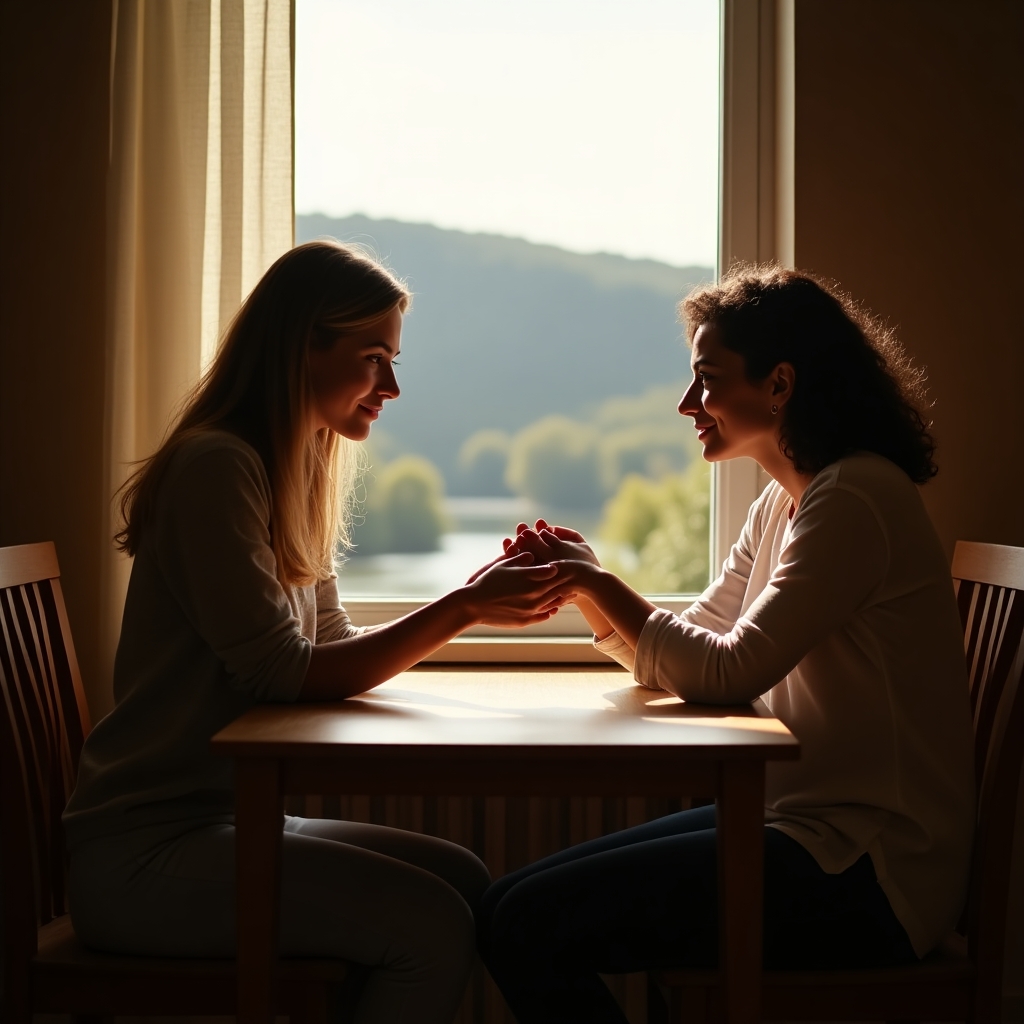
One evening, as they sat by the water, Arjun turned to her, his expression understanding. “You ever wonder,” he began, “if pleasing everyone is worth silencing yourself?”
Meira hesitated, reflecting on the question that had been the undercurrent of her thoughts. “I do,” she whispered, the weight of her words heavier than ever. “But it feels like choosing myself is turning my back on everything I’ve known.”
Arjun nodded, a silent agreement binding them. “Maybe,” he said thoughtfully, “choosing yourself is about finding a way to honor both paths.”
It was a thought that lingered, subtle yet profound. That night, Meira found herself awake under the moonlight, her mind replaying the conversation like a soothing refrain. She picked up her keyboard, fingers dancing across the keys, weaving a tune that was neither here nor there, neither wholly traditional nor entirely modern.
The music echoed the whispers of her heart, and for the first time, she realized she didn’t have to choose one over the other. She could create a space where both worlds she cherished could coexist.
The moment of emotional clarity came as naturally as the bloom of jasmine in late spring. It wasn’t an epiphany of defiance but a gentle understanding that she could define her happiness on her terms without negating her love for her family.
The next morning, as sunlight filtered through her window, Meira sat with her parents in the living room. Her heart raced, but the newfound resolve calmed her voice. “Mom, Dad,” she began, “I’ve been thinking. I want to find happiness and honor our family values, but I need to do it my way.” She paused, gauging their reactions.
Her mother’s eyes softened, and her father leaned forward, listening intently. Meira continued, “I’m not turning away from you. I’m trying to find a balance where I can be true to myself and our family.”
The silence stretched, but there was no disappointment or anger. Instead, her parents shared a look of recognition, perhaps of their own journey of reconciling dreams and reality.
“We understand, Meira,” her father replied, his voice gentle and sincere. “We want you to be happy, truly. We are learning too.”
Her mother nodded, a hint of a smile playing on her lips. “We trust you, beta. Just remember, whatever you choose, we are with you.”
In that moment, the tension eased, and the room filled with an unspoken bond of love and respect. Meira felt a profound sense of peace, knowing that her path was hers to shape, guided by the whispers of jasmine—both cultural heritage and personal freedom intertwined.
As the days turned, Meira continued her journey, a blend of tradition and personal truth, her family by her side. The generational pressure had transformed into a bridge of mutual understanding, and Meira knew she had found her way forward, honoring the past while stepping into the future.