


Aanya sat at the base of the old banyan tree that marked the heart of her family’s ancestral home in Jaipur, its sprawling roots intertwined with the stories of generations. She traced the lines of her palm, seeking answers in the patterns her grandmother swore foretold her destiny. It was here, beneath the leafy whispers, that Aanya felt the weight of familial expectations press against her like a monsoon sky, heavy and relentless.
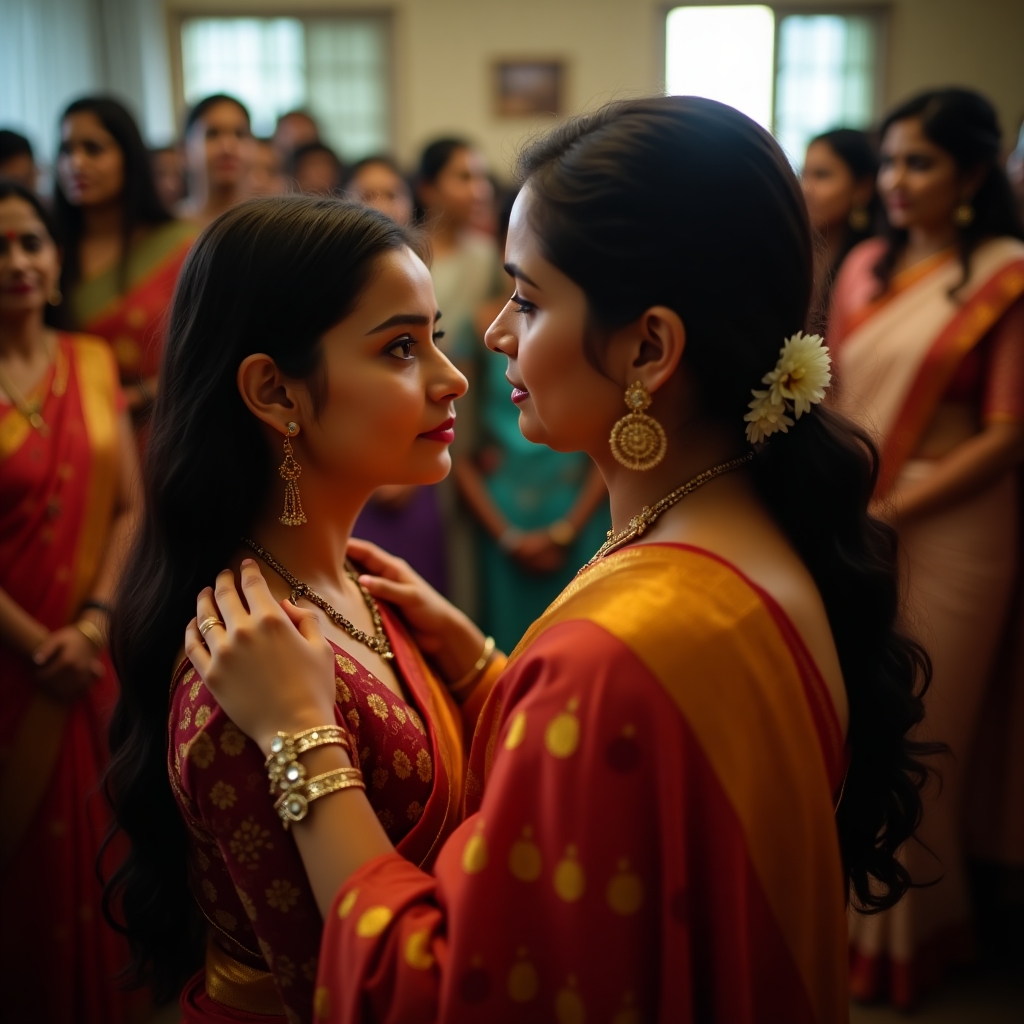
Since she was a child, Aanya had been taught the importance of tradition. Her family, celebrated for their ancestral lineage, valued customs that were as deeply rooted as the banyan tree itself. Aanya’s mother often spoke of the honor of maintaining these traditions, and her father, quiet yet firm, expected nothing less than her compliance. Yet Aanya, with her heart full of dreams and eyes wide with the possibilities of the world beyond the walls of her home, longed for something more.
She had always been drawn to art. The colors, the strokes, the freedom it represented called to her in ways nothing else did. But the family expected her to study law, a revered profession that would ensure her security and uphold the family’s status. Aanya’s uncle, a successful lawyer, often regaled them with tales of courtroom victories, painting a picture of prestige that her parents hoped she would one day emulate.
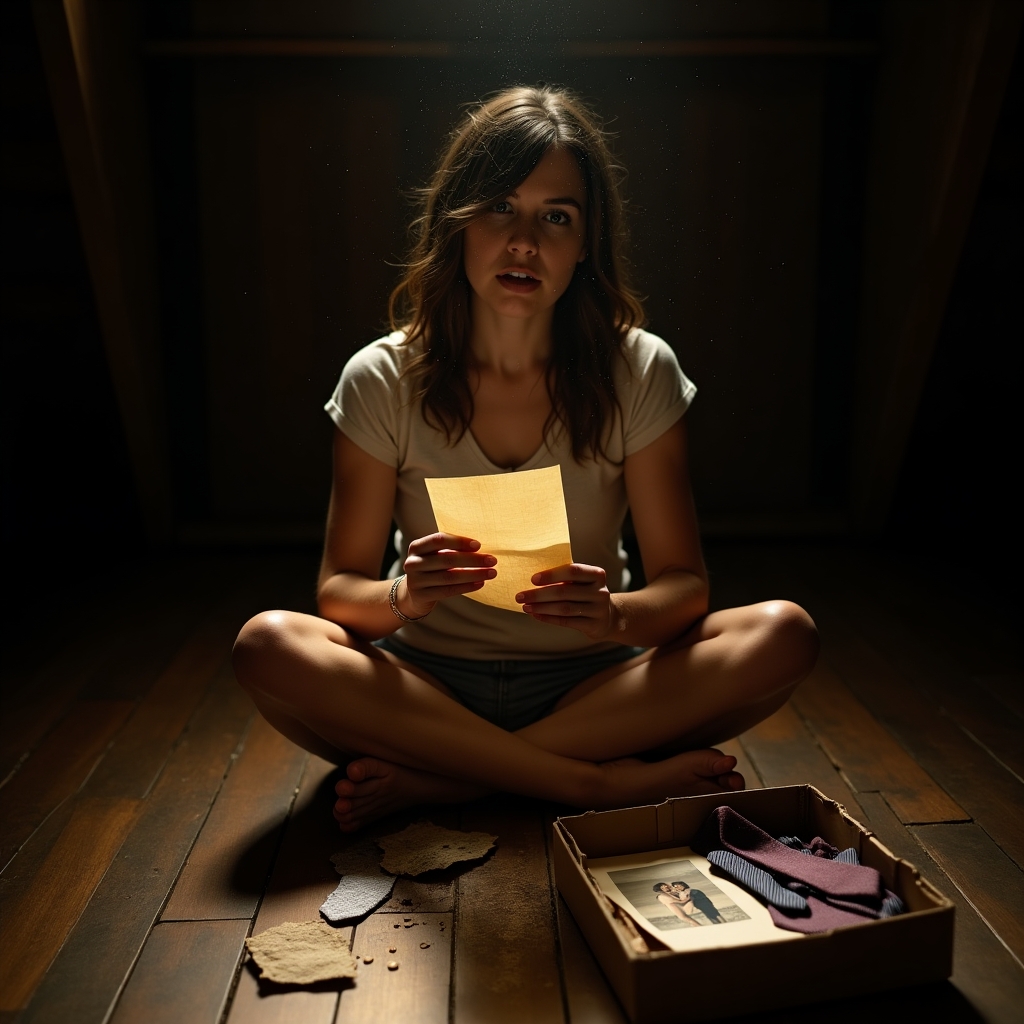
Despite the subtle pressure, Aanya found solace in her sketchbook, hidden beneath her bed, where she poured her soul onto paper. Each stroke was a silent rebellion, a whisper of her truth amidst the cacophony of expectations. Her heart ached with the knowledge that pursuing her passion was considered a folly, a path that diverged sharply from what her family envisioned.
In the quiet moments at dawn, when the world was still asleep, Aanya would tiptoe to the rooftop, her secret canvas tucked under her arm, to paint the colors of the sunrise. It was in these moments of solitude that she felt truly herself, unfiltered and free.
The conflict within her simmered like a quiet storm, her soul caught in the delicate balance between yearning and duty. She found herself slipping into silences at family gatherings, her voice lost amidst the laughter and chatter. Her parents doted on her, yet missed the subtle signs of her internal struggle.
One evening, as the family gathered for dinner under the banyan tree, Aanya’s father announced a visit from a renowned lawyer, a friend of the family, hoping to inspire Aanya with tales of a successful career. The announcement felt like a verdict, a sentence binding her to a future she couldn’t envision as her own.
In the days leading up to the visit, Aanya’s anxiety grew. Her appetite waned, and a shadow seemed to hang over her usually bright demeanor. Her mother noticed and, in a rare moment of vulnerability, asked if she was okay. Caught between the desire to reveal her truth and the fear of disappointing those she loved, Aanya simply nodded, unable to voice the turmoil within.
The evening of the lawyer’s visit arrived, and Aanya felt the knot in her stomach tighten as she sat in the living room, surrounded by her family. The lawyer, charming and eloquent, spoke of the law with passion and conviction that reverberated through the room. He turned to Aanya, eyes gleaming with encouragement, asking about her future plans.
As Aanya opened her mouth, her mind raced through the rehearsed responses, the polite lies she often told to placate her family. But her voice caught in her throat, and instead of compliance, she found herself frozen, unable to speak.
In that moment, her gaze drifted to the window, where the branches of the banyan tree swayed gently in the evening breeze. The sight brought a sudden clarity, a reminder of strength found in roots yet freedom in the open sky. Her heart, heavy with unspoken dreams, gave a small but certain flutter.
With a deep breath, she finally spoke, her voice barely above a whisper yet carrying the weight of her truth. “I love painting. I want to be an artist,” she said, each word a liberating step towards her authentic self.
A silence followed, heavy and expectant, as if the world paused to recalibrate with her revelation. Her parents exchanged glances, surprise etched into their features. Yet, in the quiet that followed, Aanya felt the weight lift, replaced by a fragile yet unbreakable sense of self.
Her father, after what seemed like an eternity, nodded slowly, a mix of understanding and acceptance in his eyes. “We only want you to be happy,” he said, his voice gentle, and Aanya knew that this was the beginning of mending the threads between tradition and individuality, of healing across generations.
In the days that followed, the path was not easy, but Aanya moved forward with a newfound courage. Her art became a bridge between her world and her family’s expectations, a testament to resilience and the silent strength that lies in being true to oneself.