

In the heart of a small, bustling town known as Vasanta, nestled between rolling hills and shimmering paddy fields, lived a young woman named Aruni. Vasanta was a place where time seemed to move under the watchful eyes of centuries-old traditions. The townspeople knew Aruni as the daughter of the esteemed Dr. Raghav, a strict but respected figure in the community. It was expected that Aruni would follow in her father’s footsteps, a notion that rested heavily on her shoulders like the humid air of the monsoon season.
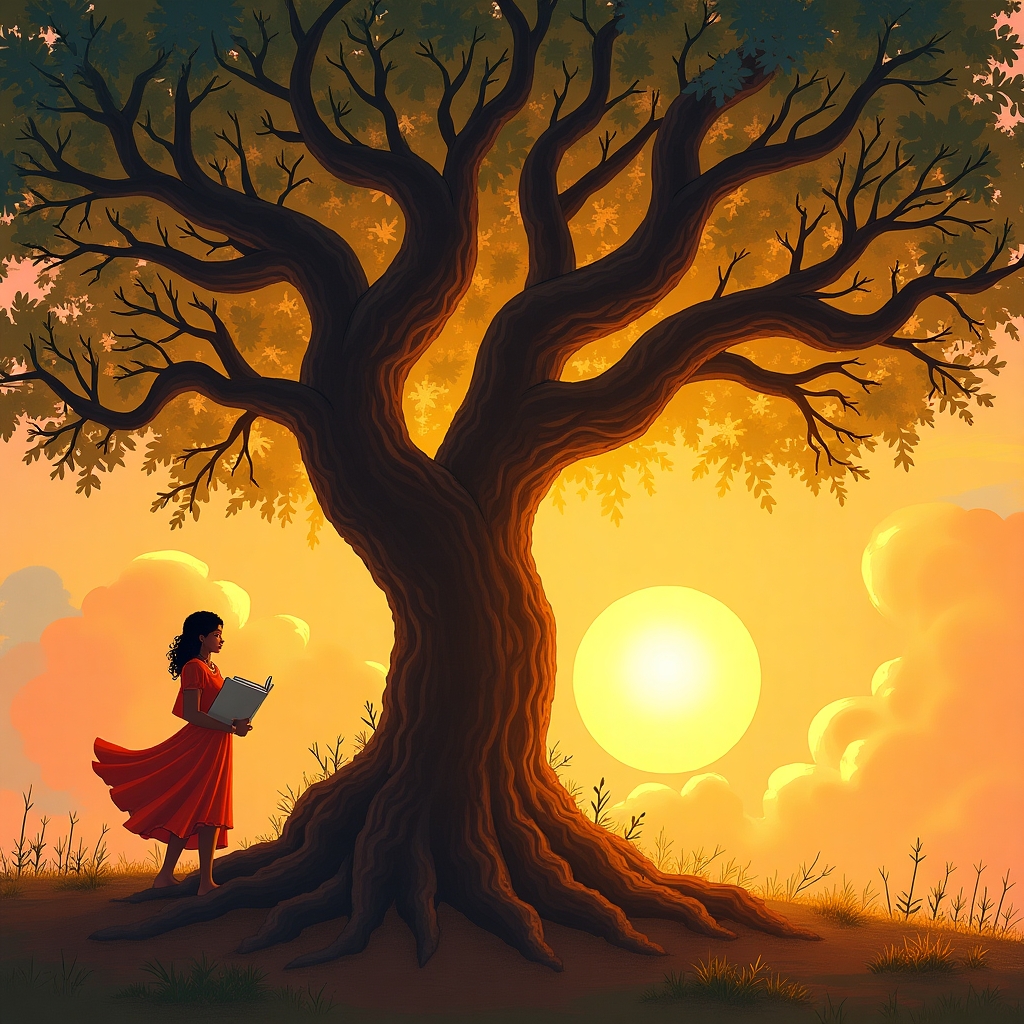
Aruni was twenty-three, caught at the crossroads of youthful ambition and familial duty. She lived in a house sheltered by the sprawling branches of a venerable banyan tree. This tree had witnessed generations of her family’s stories—its roots intertwined with the foundations of the family home. Aruni loved this tree deeply, a symbol of resilience and continuity, but she had dreams that extended beyond its far-reaching shadows.
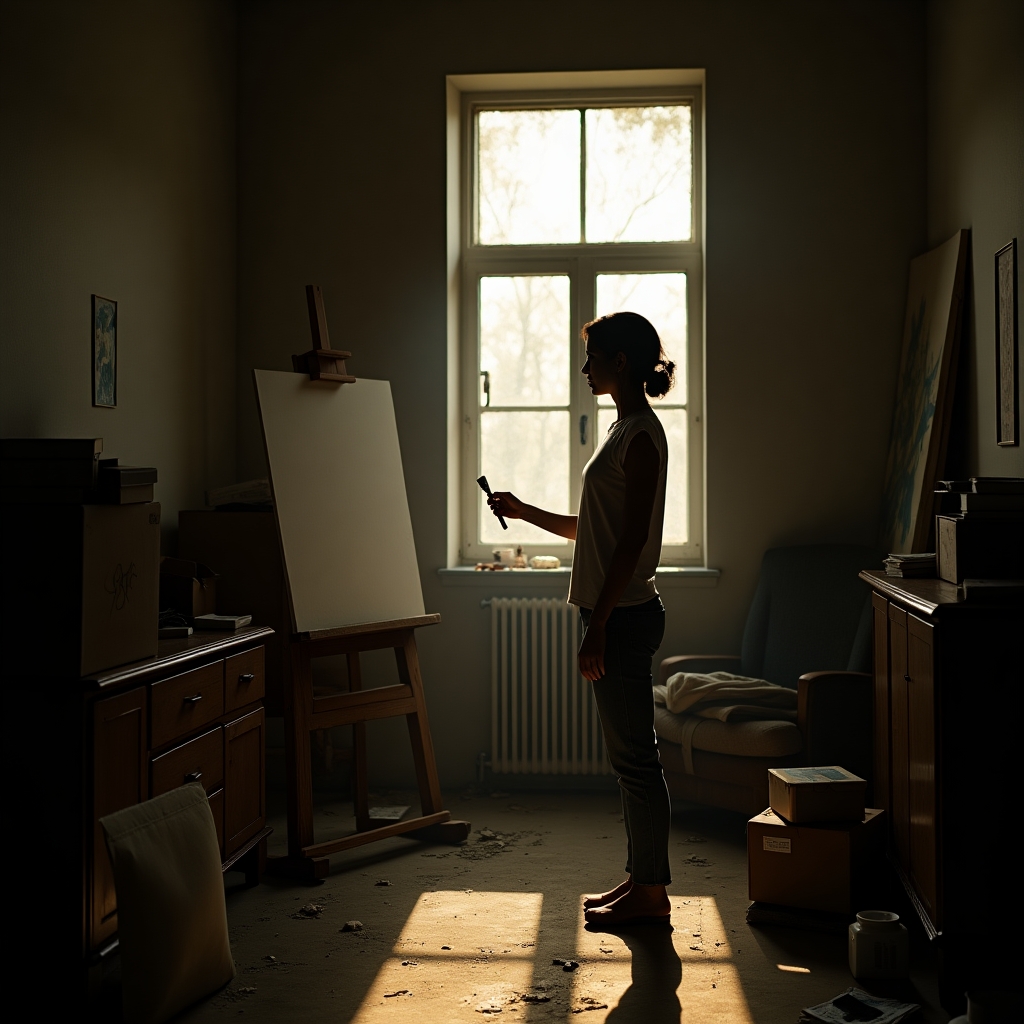
Every morning, she woke before the sun, assisting her father at his clinic. Dr. Raghav’s stern but gentle guidance taught her the fundamentals of medicine, a journey she embarked on more out of expectation than genuine desire. In the evenings, after the clinic closed its doors to the sick and weary, Aruni would retreat to her room, sketching designs for fashion—a passion she never dared to voice out loud.
Her parents, particularly her father, envisioned her as a doctor, a healer in white, like them. Medicine was a noble pursuit, and in Vasanta, a ticket to esteem and security. Yet, Aruni’s heart beat louder for colors and fabrics, threads and seams. Each piece she designed told a story, an oasis of self-expression that she kept hidden beneath her bed.
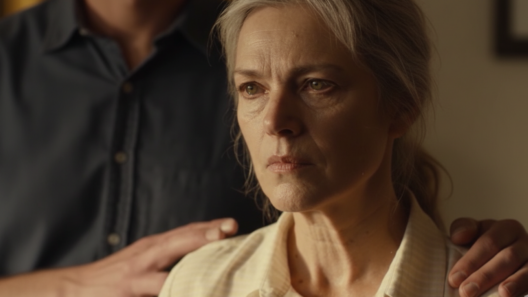
The tension between obligation and aspiration was quiet, like a soft rustle of leaves before the storm. She carried this burden alone, her struggles silent, reflected only in the slight furrow of her brow and the occasional distant gaze as she sat by the banyan tree. Her mother noticed but interpreted Aruni’s demeanor as the fatigue that came with the demanding life of an aspiring doctor.
One evening, as the sun dipped beneath the horizon, painting the sky in hues of purple and gold, Aruni sat at the foot of the banyan tree, her sketchbook in hand. The day’s exhaustion clung to her like a second skin. She opened the book, flipping through pages of intricately drawn gowns and dresses. Closing her eyes, she imagined herself, not in a white coat, but amidst the vibrant chaos of a bustling fashion studio.
A gentle breeze rustled the leaves above, whispering truths that only the banyan tree dared to speak aloud. In that moment, a realization crept over Aruni like the slow, inevitable light of dawn. The choice was hers to make. She understood then, that pursuing her passion was not a betrayal of her family, but an honoring of her authentic self.
The banyan tree seemed to nod approvingly as if granting her permission to follow her heart. She felt a profound sense of peace, a quiet resolve settling within her. Aruni knew that the path ahead would not be without its challenges, but for the first time, she felt ready to embrace them.
Her parents listened intently the next morning as she, with a steady voice, shared her dreams of becoming a fashion designer. She spoke of the joy it brought her, how fashion was a way for her to contribute beauty and creativity to the world.
Dr. Raghav, usually unemotional, paused, his gaze lingering on his daughter’s earnest face. Aruni’s mother, though visibly concerned, held her husband’s hand. It was then Aruni understood that love and tradition could coexist with change.
The banyan tree stood witness to the beginnings of this new chapter, its leaves whispering songs of hope and courage. Aruni’s journey was just beginning, and she felt the strength of her ancestors beside her, urging her forward.
The path was not easy, but with each step, she bridged the gap between expectation and passion, finding a harmony that resonated with the deepest fibers of her being.