

Ayan felt the weight of expectation settle on his shoulders every morning as he walked through the bustling streets of his neighborhood in Mumbai. The air was thick with the aroma of spices and the sound of clattering rickshaws, but Ayan’s thoughts were elsewhere, tangled in the complex web of tradition and desires.
His family hailed from a long line of doctors. His father, a celebrated surgeon, often spoke of Ayan’s inevitable journey into the medical field with pride. Every evening, the family gathered under the sprawling banyan tree in their garden, a place that had seen generations of life decisions and shared dreams.
It was here that Ayan often sat, lost in contemplation. His true passion lay in art—his fingers itched to paint, but the family’s unyielding belief in medicine as the ultimate profession clashed violently with his aspirations. He had never dared to voice his inner conflict; the silent, unspoken expectation that he would follow in his ancestors’ footsteps was a powerful force.
Ayan’s mother, Meera, would often find him at the wooden table in the living room, sketching. She never questioned his art, but her silence was a reminder that his dreams were akin to leaves on the ground, waiting to be swept away by reality.
The psychological tension simmered quietly, like a pot on low heat. Ayan felt the push and pull of loyalty and authenticity gnaw at him, an inner turmoil that did not erupt but wove through his days like an invisible thread. His relatives would pat his shoulder, echoing the same sentiment: “You will make a wonderful doctor, just like your father.”
Every time Ayan visited the medical college his father had attended, he felt the invisible fingertips of history tracing his shoulders, as though guiding him into the vast hallways lined with portraits of past graduates—each one a silent witness to his family’s legacy.
Yet, there were moments when Ayan imagined a different future. In the solitude of night, under the dim glow of his desk lamp, he would paint. His canvas was a silent companion, absorbing the colors of his dreams and the shadows of his fears.
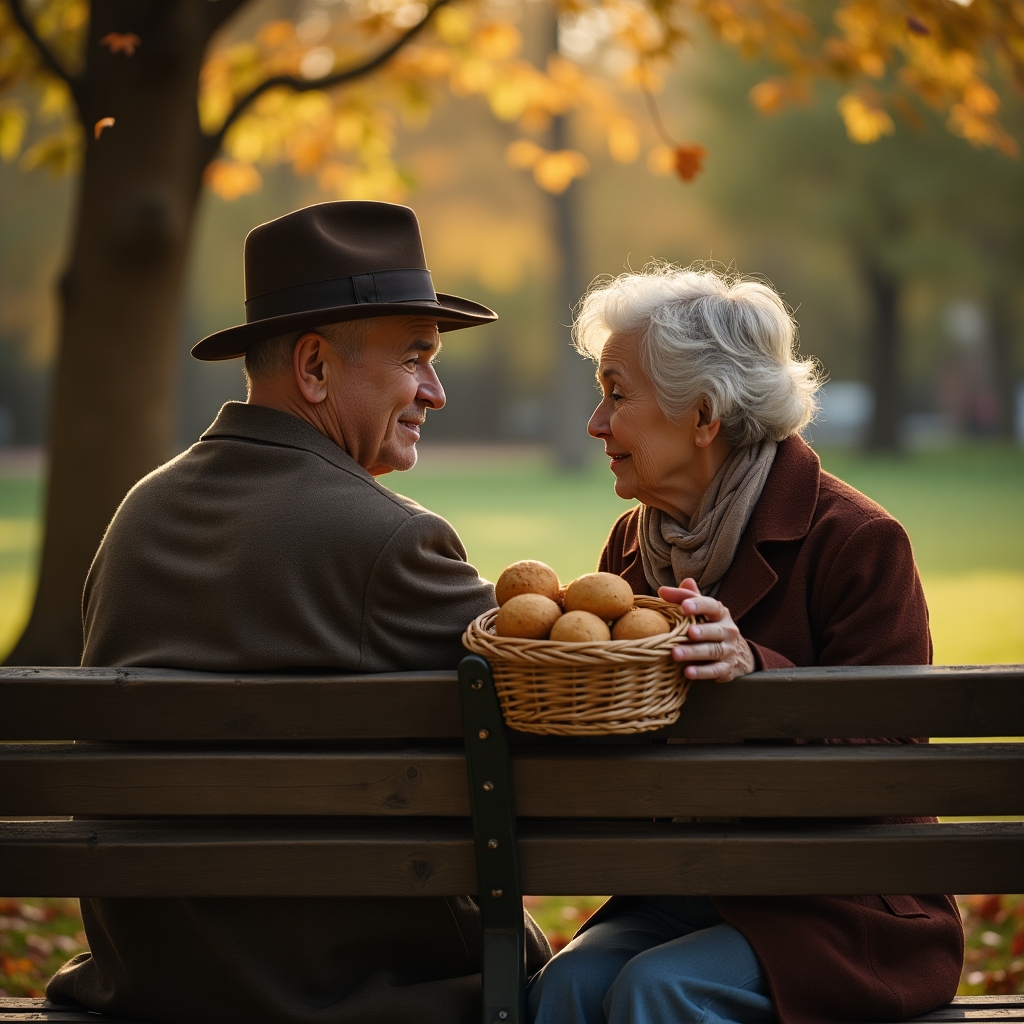
The emotional clarity he sought seemed elusive until one evening, as the last light of dusk settled over the banyan tree, Ayan found himself sitting across from his grandfather. The elder man, his hair a soft silver halo, had always been a quiet observer of the family. “Tell me, Ayan,” he said, his voice a gentle murmur, “What do you see yourself becoming?”
Ayan hesitated, the words lodged in his throat, but his grandfather’s eyes held no judgment, only understanding. “I… I want to paint,” Ayan confessed, the admission a release of years of pent-up tension.
His grandfather nodded slowly, eyes reflecting the wisdom of a life well-lived. “The world outside is vast, like the branches of this tree,” he said, gesturing to the banyan. “Roots are important, but so is the expanse above.”
In that moment, Ayan saw the path forward with stunning clarity. It felt like the first breath after holding it for too long—a surge of liberation and the certainty that his truth was as valid as the legacy he cherished. The banyan tree that once seemed an anchor now felt like a symbol of balance between expectation and aspiration.
From that day, Ayan began to weave his family’s legacy into his art. His paintings spoke of tradition and innovation, cultural heritage and personal freedom. He did not abandon his roots but chose to cultivate them in a soil enriched by his passions.
The journey ahead was not without its challenges, but Ayan embraced them with newfound courage. His family watched, some with skepticism, others with pride, but ultimately, they recognized the courage it took to honor one’s truth.
Ayan’s story became a gentle reminder that healing across generations is possible when one dares to listen to the whispers of their own heart, even amidst the strongest of winds.