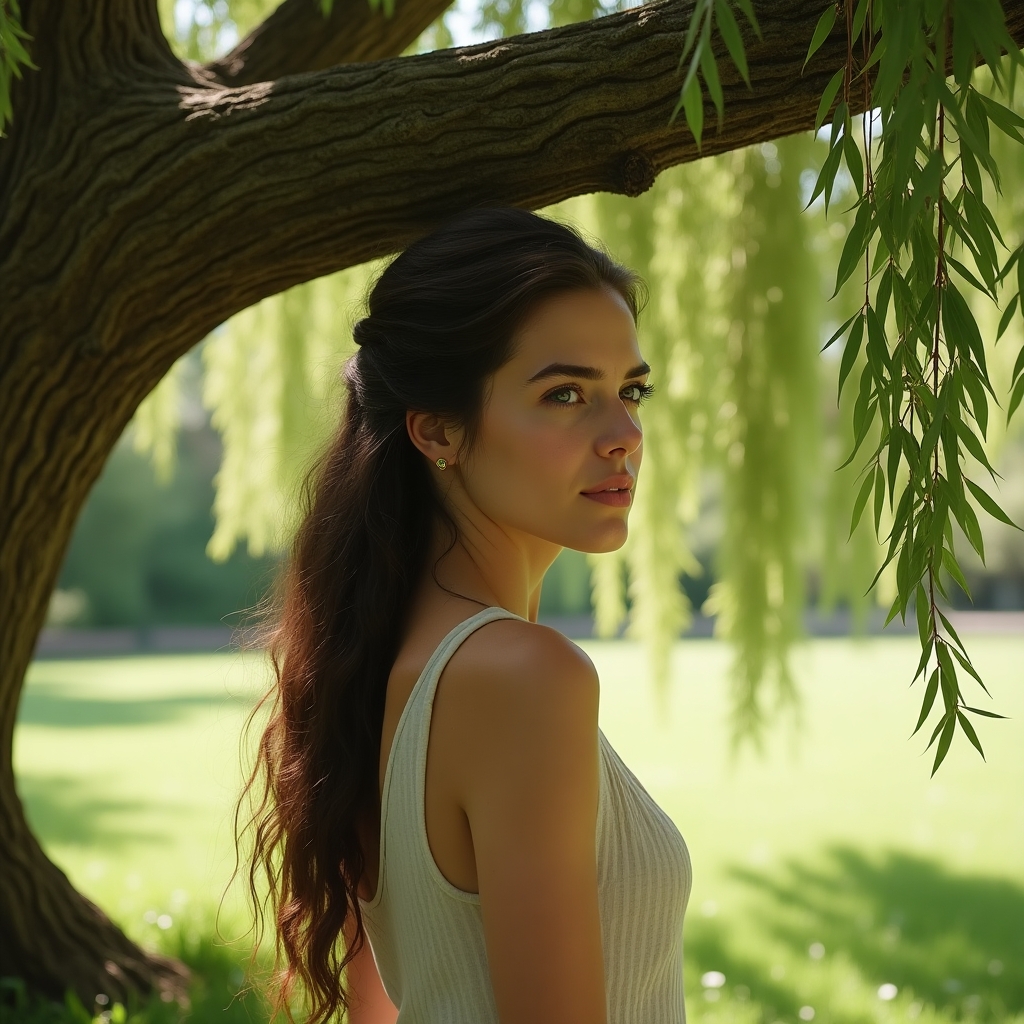




Amara sat under the ancient banyan tree, its sprawling roots embracing the earth like the arms of an ancestor holding onto cherished memories. The sun was setting, casting a golden hue over the landscape, and the air was thick with the scent of jasmine from the nearby garden. This was her favorite place, a sanctuary from the world that expected so much from her.
She traced her fingers along the sketchpad resting on her knees, eyes fixed on the intricate patterns her pencil had etched onto the page. Art was her solace, a silent rebellion against the expectations that weighed heavily upon her shoulders. Her family, deeply rooted in tradition, envisioned a different path for her—a respectable career in medicine or law, something that mirrored the success of her parents and upheld the family’s esteemed reputation.
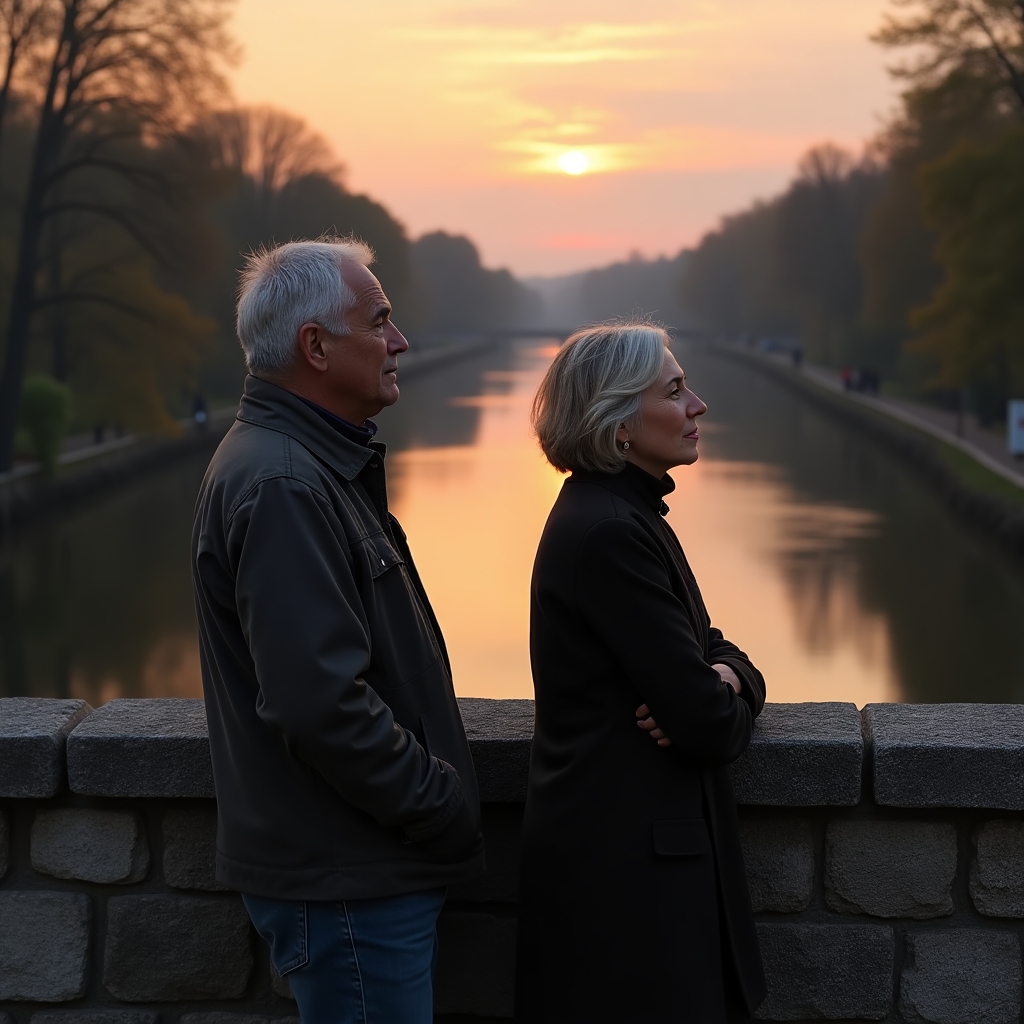
Her mother, a renowned surgeon, often spoke of the honor and stability such professions brought, her words dripping with pride and thinly veiled pressure. ‘Amara, your talents could touch lives,’ she would say, eyes gleaming with a vision that wasn’t Amara’s own.
Amara’s heart ached with the desire to meet those expectations, to align her dreams with those of her family. Yet, each stroke of her pencil unearthed a truth she couldn’t ignore. Her soul yearned for the colors and textures of a canvas, the freedom of creation that medicine could never offer.
The days blurred into one another, a series of polite smiles and unspoken tensions. Amara moved through them like a wisp of smoke, present yet disconnected, until one afternoon her father sat her down for a conversation.
He was a man of few words, his presence quietly commanding respect. As they sat at the dining table, the weight of his silence pressed down on her like a stone until he cleared his throat and broke the stillness.
‘Your mother and I have been discussing your future, Amara.’
Her heart quickened, a familiar anxiety threading through her veins.
‘We know how much you love to draw, but it’s time to be practical. You need stability, a career that can support you and carry on the family legacy.’
Amara nodded, the motion automatic, though her spirit recoiled at the thought. She wanted to cry out, to tell him about the art schools she had secretly researched, about the vibrant images that filled her dreams each night. But the words lodged in her throat, a silent scream swallowed by dutiful obedience.
That evening, as she sat under the banyan tree, the soft rustle of leaves seemed to whisper secrets of generations past. It was there, amidst the ancient roots, that Amara felt the presence of her grandmother, a woman she had never met but whose stories of resilience and courage had been etched into the very fabric of her upbringing.
‘Follow your heart, little one,’ her grandmother’s voice seemed to echo within her, a memory or a dream.
The moment felt like an embrace, a gentle nudge towards a path that could only be her own. For the first time, Amara allowed herself to envision a future not defined by expectation but by her own truth.
The clarity washed over her slowly, like the soft light of dawn. She realized she could honor her family not by living their dreams, but by living authentically, by showing them the beauty and strength in following one’s true calling.
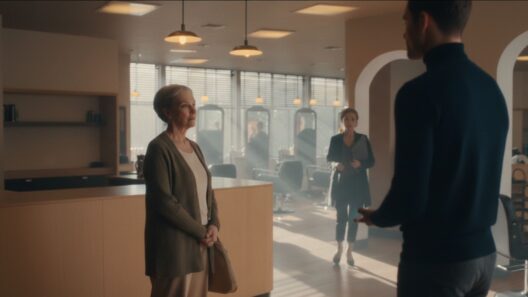
The next morning, Amara stood before her parents, her heart beating a fervent rhythm. She spoke of her dreams, her fears, and her unwavering passion for art. Her voice trembled with emotion but remained steady, buoyed by the quiet strength she had found beneath the banyan tree.
Her parents listened, their expressions unreadable. But as her words filled the room, something shifted. It was as if they saw her for the first time, not just as a daughter, but as an individual with her own aspirations.
There was silence, then a soft sigh from her mother. ‘We just want you to be happy, Amara,’ she said finally, her voice breaking with unspoken understanding.
Amara knew the path ahead wouldn’t be easy, but in that moment, she felt a profound connection, a bridge between generations built not on duty but on love and acceptance.
In the weeks that followed, she continued to sketch under the banyan tree, each line a testament to her newfound courage. Her parents gradually grew curious about her art, their initial reservations softening into support.
Amara learned that it was possible to honor her heritage while forging her path. The banyan’s whispers lingered, a reminder of the quiet strength that comes from listening to one’s heart, from daring to dream in the face of expectation.