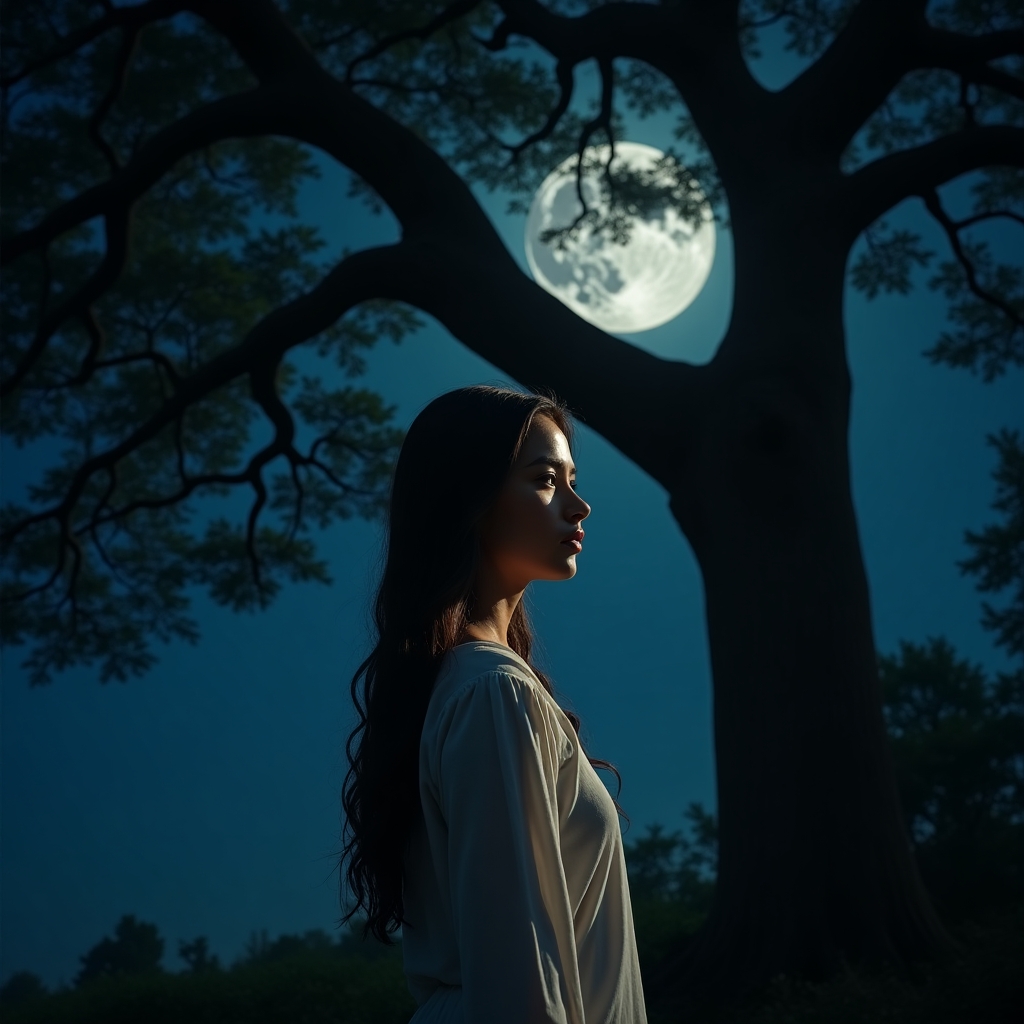


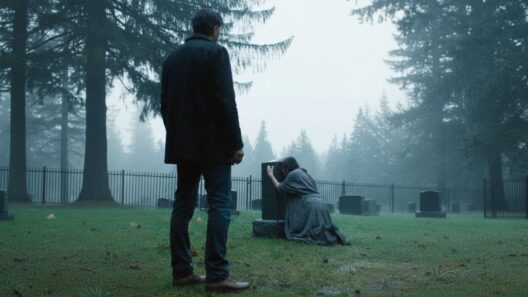

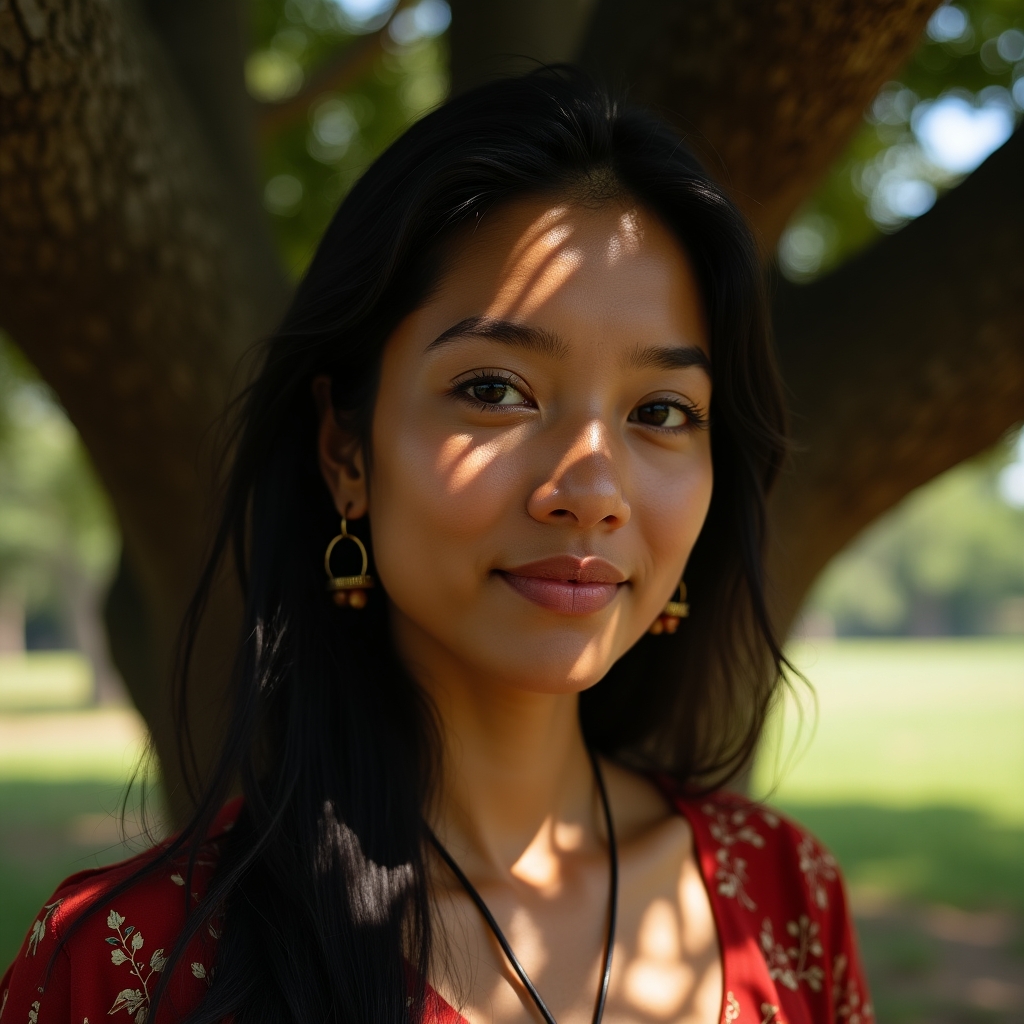
A gentle breeze rustled the leaves of the ancient banyan tree, its roots intertwining with the earth like the intricate threads of a delicate tapestry. Beneath its verdant canopy sat Aarya, her fingers absentmindedly tracing patterns in the dirt, her thoughts a swirling cascade of conflicting emotions. The village of Sundarnagar, with its vibrant festivals and age-old traditions, had been her home for the past twenty years. Yet, as she approached the precipice of adulthood, Aarya found herself struggling to reconcile her own desires with the expectations of her family.
The Kapur family was well respected in their community, their lineage tracing back generations. Aarya’s parents, deeply embedded within the societal fabric of Sundarnagar, were revered for their adherence to tradition. Her father, Raghav, was a man of principles, his decisions guided by the wisdom passed down from his forebears. Her mother, Sita, embodied the grace and strength expected of women in their community, her devotion to family unwavering.
Aarya loved them both dearly, her heart aching at the thought of disappointing them. Yet, beneath the serene surface of familial harmony, she yearned for a life of her own choosing. Her dreams of studying art in the bustling city seemed like distant illusions against the backdrop of her parents’ vision for her future—a future that involved settling down with a respectable young man from the village, following the well-trodden path laid out before her.
The gentle hum of village life contrasted sharply with the vibrant images that danced in Aarya’s mind. She yearned to paint with colors that captured the riotous beauty of her dreams, to explore the world beyond the village’s borders. Yet, each time she broached the subject with her parents, a silent tension filled the air, the unspoken words a chasm between them.
The evenings in Sundarnagar were a tapestry of muted hues, the sky a canvas of soft pinks and purples as the sun dipped below the horizon. On such an evening, Aarya sat at the edge of the banyan grove, her sketchbook open on her lap. The stillness around her was deceptive, for inside, her heart was a storm. Her parents’ expectations loomed large, like shadows that stretched ever longer as the sun set.
In the quiet moments, Aarya wrestled with her thoughts. She was loyal to her family, bound by love and duty. Yet wasn’t she also loyal to herself, to the essence of who she was? The internal dialogue was relentless, each argument a tide pulling her in opposing directions. She felt the weight of her heritage, the pull of her individuality, the silent plea for understanding that she could not voice.
It was on a night of rain, the gentle patter on the roof a soothing lullaby, that Aarya found clarity. She lay awake, the shadows of the banyan tree visible through her window, reaching out like a promise of both shelter and entrapment. As the raindrops traced patterns on the glass, she realized that the love for her family and the desire for her own life were not mutually exclusive.
Beneath the banyan tree the next morning, Aarya felt a profound sense of peace. She had not resolved the tension between her heart and her heritage, but she had embraced it, understanding that it was a part of her journey. Her art, she realized, was not a rebellion, but a bridge between her worlds, a way to honor her roots while coloring her path.
With a newfound resolve, Aarya approached her parents. The conversation was tender, the words heavy with meaning. She spoke from her heart, her voice steady and soft. Her honesty was a mirror, reflecting both her fears and her hopes. In that moment of vulnerability, she invited them into her world, hoping they would see her not only as their daughter but as an artist, a dreamer—her own person.
The room was silent as her parents absorbed her words. It was a silence filled with the echoes of generations, the weight of tradition and the promise of change. Slowly, as if waking from a dream, her father nodded, his eyes misting over with understanding. Her mother’s hand found its way to Aarya’s, a gentle squeeze that spoke of love and acceptance.
In that quiet exchange, Aarya found her truth. She was not choosing between her family and herself; she was choosing to weave them together, creating a tapestry rich with the colors of her dreams and the roots of her heritage. The banyan tree, with its ancient wisdom, seemed to nod in approval, its leaves whispering a gentle symphony of acceptance.
As Aarya stood in the embrace of her family, she realized that love, in all its complexities, was the greatest art of all, a masterpiece in which every brushstroke, every shade, held equal importance.