
The sunlight filtered gently through the lace curtains of Amara’s room, wrapping everything it touched in a warm, golden hue. It was the kind of morning that promised tranquility, yet Amara felt anything but calm. She sat cross-legged on her bed, surrounded by textbooks, yet her mind wandered beyond the words on the page. Her family’s expectations lingered like an ever-present shadow, whispering reminders of the path they had chosen for her—a path that felt increasingly foreign.
Amara had grown up in a close-knit family with deep cultural roots, where traditions were not just respected but revered. Her parents had immigrated with dreams of seeing their children succeed in careers that promised stability and prestige. For them, Amara’s future was a tapestry woven with threads of medical school and eventual prideful proclamations of becoming a doctor.
However, within Amara’s heart, there blossomed a passion they hadn’t accounted for—the arts. Painting, sketching, creating worlds with her brush that didn’t exist anywhere but in her mind. Her artwork felt alive, each stroke liberating her spirit in a way nothing else ever could.
Yet, she knew broaching the subject of pursuing a career in art was like stepping into a storm of disappointment. Her family, with their well-meaning intentions, viewed art not as a career but as a hobby, a beautiful yet impractical dream.
After weeks of internal conflict, she decided to visit her grandmother, the matriarch of the family and a figure of wisdom. Her home, a small cottage ringed by an array of flowers, felt like a sanctuary. As Amara stepped inside, the familiar scent of jasmine and cardamom wrapped around her, instantly soothing her troubled heart.
Her grandmother sat in her favorite armchair by the window, embroidering a tapestry. The intricate patterns mirrored the stories she had shared about their ancestry, full of resilience and hope.
“Sit, Amara,” her grandmother gestured, patting the chair beside her.
As she took her seat, Amara hesitated, wrestling with the words she needed to say. Her grandmother continued her work in silence, her presence patient and reassuring.
“Grandmother, can I tell you something?” Amara finally asked, her voice barely above a whisper.
Her grandmother nodded, her eyes twinkling with warmth and understanding.
“I’ve been…struggling,” Amara confessed. “I want to make everyone proud, but I cannot ignore this part of me that yearns to create, to paint. It’s the only time I feel truly alive.”
The old woman paused, her needle suspended mid-air, and for a brief moment, Amara feared she had disappointed her.
But then her grandmother spoke, her voice soft yet firm. “Your journey is yours alone, my dear. No one can walk it for you.” She placed a hand over Amara’s. “Our family’s values are strong, yes, but they are not chains to bind you. They are roots to nourish you as you reach for your own sky.”
Amara blinked back tears, the weight of her grandmother’s words settling in her heart like a warm glow. For years, she had been torn, feeling as though honoring her family meant sacrificing her own happiness. Yet here was permission, gently given, to forge her own path.
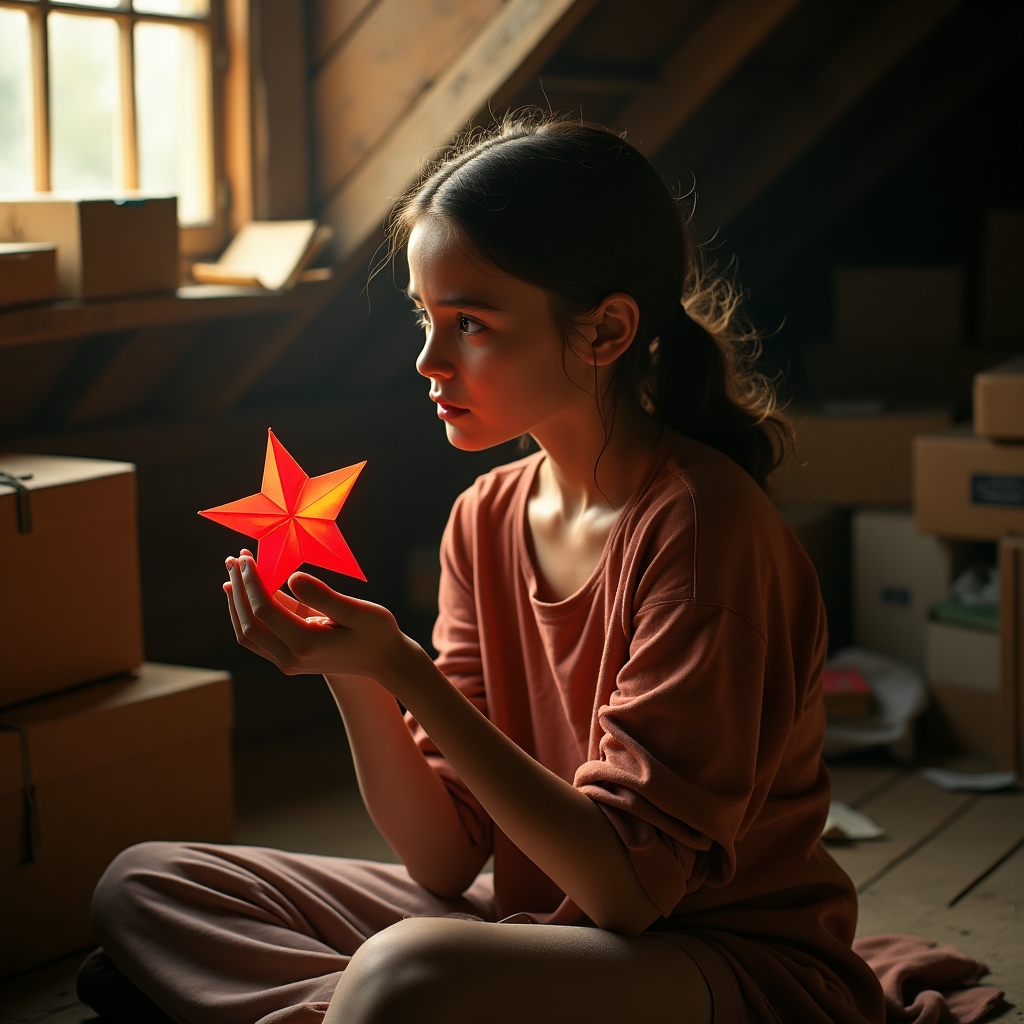
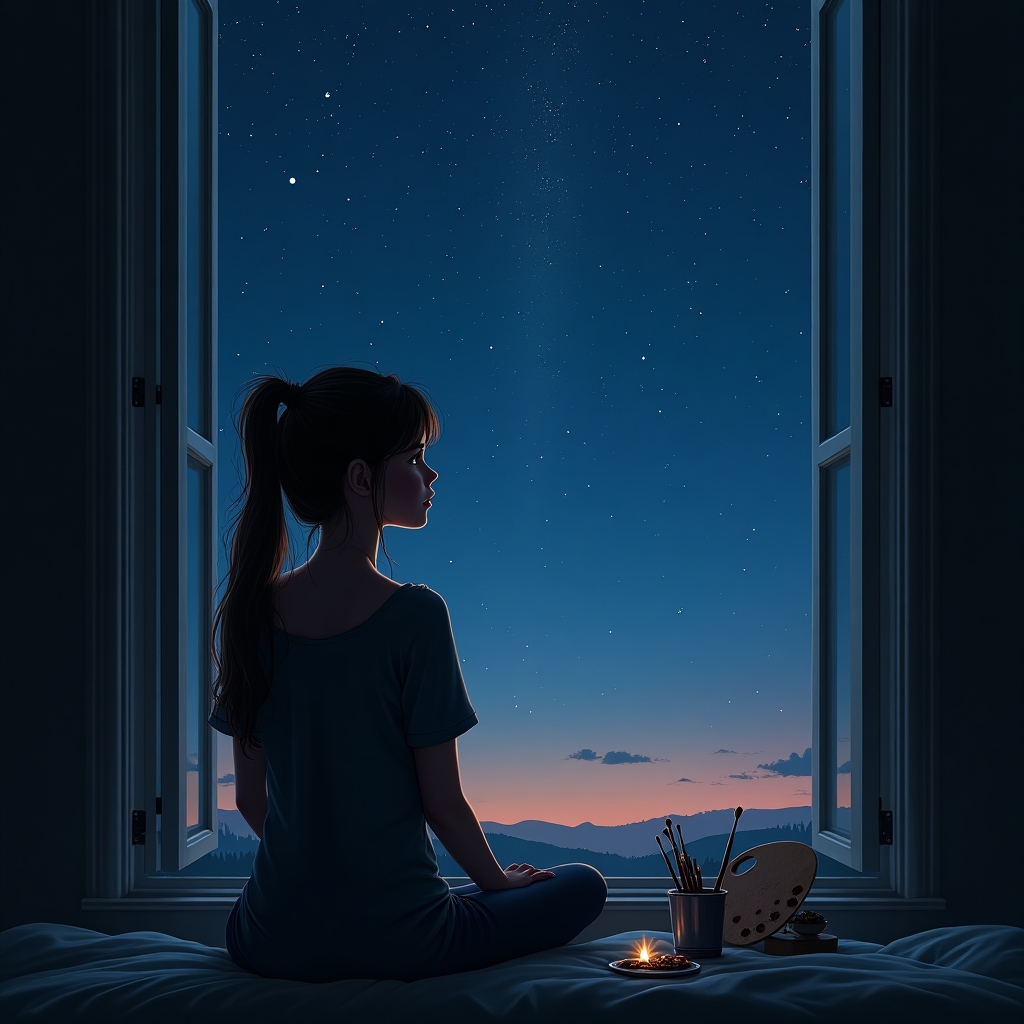
That night, Amara sat by her window, gazing at the stars. The sky was vast and unmarred, each star twinkling with possibility. In that stillness, she found her moment of clarity—a quiet, resolute acceptance of her true self.
The next morning, she approached her parents at breakfast, her resolve fragile yet increasingly fortified by her grandmother’s words.
“Mom, Dad, I need to talk to you,” she began, her voice steady.
Her parents looked up, concern etched on their faces.
“I’ve decided to pursue art. It’s what I love, and I believe it’s my path.”
The air was thick with silence, her parents exchanging glances that spoke volumes.
Her father was the first to respond, his voice tinged with confusion yet threaded with the love only a parent could carry. “Are you sure, Amara?”
“Yes, I am.” She paused, searching for the right words. “I want to make you proud, but I need to be proud of myself too. I promise I’ll work hard and make something of my passion.”
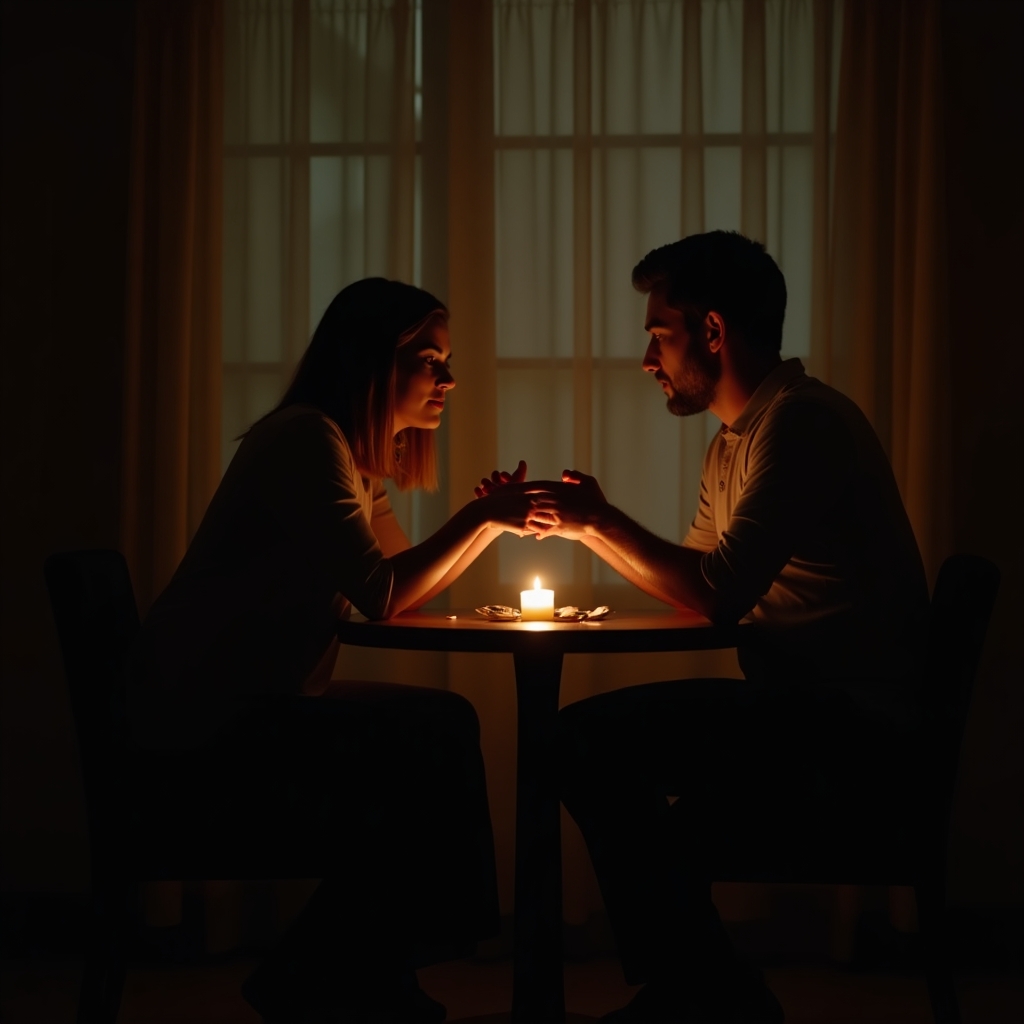
Her mother reached across the table, gently grasping her hand. “We just want you to be happy, Amara. If art is what brings you joy, then follow it.”
Amara’s heart swelled with emotion, the quiet battle she had waged within herself finally finding peace. Her parents’ willingness to accept her decision was a testament to the love that bound them together, transcending the expectations that had once seemed insurmountable.
As the days turned to months, Amara poured herself into her work, her home studio coming alive with vibrant canvases and exquisite sketches. Her family attended her first art show, their pride evident as they mingled with guests who admired their daughter’s talent.
In that simple act of embracing her truth, Amara discovered a newfound strength, one that allowed her to honor both her personal values and her family’s legacy. In doing so, she not only healed the generational gap but also paved the way for others in her family to find their own voices.
And in the gentle whisper of the ancestral winds, Amara knew she was finally on the path she was always meant to walk.