


I’ve never been one to capture the audience with personal stories online. The mere idea of exposing my vulnerabilities to the world always felt daunting, like standing naked on a stage with a spotlight burning down on me. Yet today, I find myself here, compelled to share a story that has quietly reshaped my life. It all started with a letter—an ordinary, nondescript envelope tucked away in the attic, forgotten in the folds of memory.
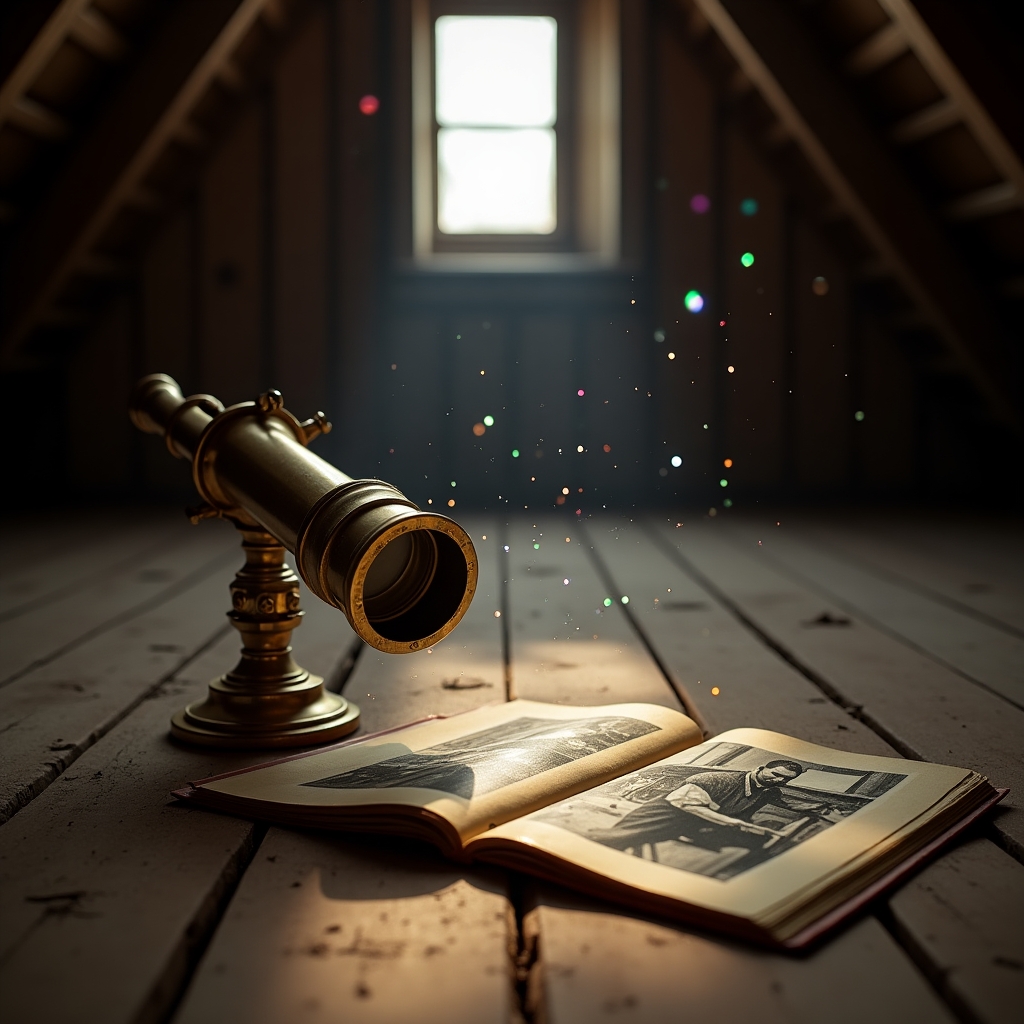
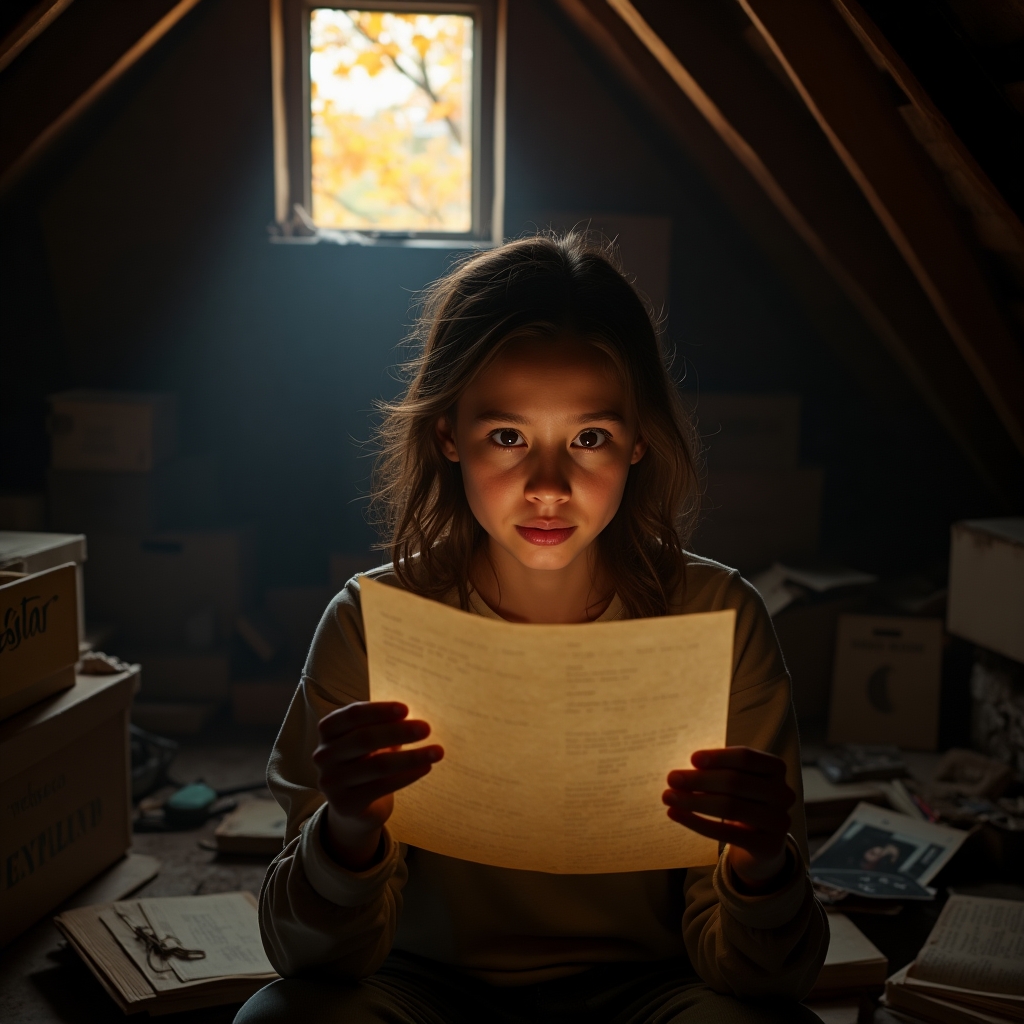
Let me take you back a few months. It was a crisp autumn afternoon, the kind where the sunlight filters through amber leaves, painting everything in shades of nostalgia. I’d just moved into my grandmother’s old house, a place steeped in memories and layered dust. The attic was my last conquest. Boxes piled up like sentinels of the past, containing forgotten toys, yellowing photographs, and an assortment of objects wrapped in time’s embrace.
As I sorted through one of the boxes, a small, unassuming envelope slipped from between the pages of an album. The handwriting was a familiar, slanted script that I recognized immediately as my mother’s. Curiosity piqued, I hesitated for just a moment before sliding my finger under the flap and pulling out the letter inside.
“Dear Claire,” it began, referring to me by my grandmother’s name—a gentle mistake, I thought, until the words unfolded a different story. The letter was not addressed to me but to my grandmother. My heart thudded with each sentence, revealing a truth masked by years of silence and misunderstanding.
My mother’s words were raw, a confession of love for a man who wasn’t my father, a love that had given birth to a child out of wedlock. That child was me. I always knew we didn’t talk about my father, but I had woven my own tales to fill in the gaps—stories of a sailor lost at sea or a brave wanderer who never returned home. It never occurred to me that the truth was far more ordinary, yet profound. I was the product of a love story that had been consigned to the attic along with this letter.
In the days that followed, I was engulfed by a storm of emotions—anger for the decades of deceit, confusion about my own identity, but mostly an overwhelming sense of empathy for my mother. Her words spoke of deep struggles, of societal pressures and familial expectations, and a choice that must have weighed heavily on her heart.
When I confronted her, my voice trembled with unresolved feelings. “Why didn’t you tell me?” I asked, my eyes pleading for a glimpse of her truth.
She looked at me, her gaze steady but filled with a lifetime of unshed tears. “I wanted to protect you,” she replied softly. “I didn’t want you to carry the burden of my past.” Her words hung in the air like a fragile bridge.
In that moment, I saw her not just as my mother, but as a woman who had loved deeply and lost greatly. We talked for hours, unraveling the tapestry of our lives, piecing together fragments of history that had been left in the shadows. Each revelation was a stitch, mending the tear that had unknowingly existed between us.
The discovery turned into a gentle awakening. My roots were not just anchored in the soil of my mother’s decisions but branched out to encompass her stories, her sacrifices, and her silent battles. I realized that my identity was not a single, static narrative but a mosaic of shared truths and hidden realities.
Months have passed since that day in the attic, and I’ve found a new sense of peace. I’ve come to understand that truth is not a weapon but a mirror, reflecting both beauty and flaws. My relationship with my mother has grown deeper, richer, and more authentic. We’ve become confidantes, bound by the stories we share and the ones we’ve yet to discover.
This is my confession, not of shame or anger, but of acceptance and love. Thank you for listening. Sometimes, the most profound journeys begin with a simple letter and end with the heart finding its true home.