


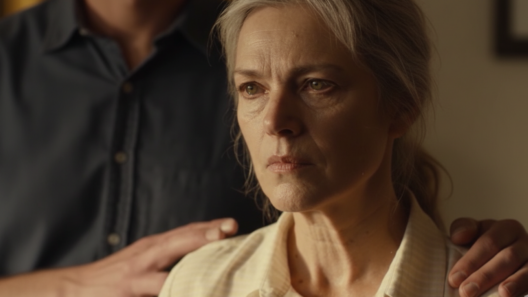


In a quaint suburb nestled along the peripheries of a bustling city, Aisha found herself constantly navigating the delicate dance between her personal ideals and the expectations her family wove around her life. Her parents, immigrants with dreams as tangible as the soil they left behind, envisioned for Aisha a future rich with tradition and security—both cultural and financial.
Every evening, Aisha would sit on her bedroom floor, surrounded by textbooks on neuroscience—her chosen field—and stacks of letters from the extended family back in her homeland. The letters, filled with familial pride and subtle expectations, whispered hopes that she might return one day, stepping into the role of a dutiful daughter who would uphold the family’s legacy.
Aisha felt the weight of these expectations in every glance her parents exchanged over dinner, in every gentle reminder of her upbringing, and in every phone call from relatives overseas. Theirs was a love that hoped to shield her from the uncertainties of a world they didn’t fully understand, yet in their sheltering, Aisha felt a growing dissonance.
Quiet days turned into weeks, and weeks into months. Aisha walked among shadows, her heart murmuring to her during the quiet hours of dawn when the world felt muted and ethereal. She began to feel like a tapestry, each thread representing a piece of her identity—some vibrant and new, others faded but integral.
Her childhood memories were rich with the aromas of her mother’s kitchen, the rhythms of festive days, and the solemnity of cultural rituals. Yet, parallel to these memories were her aspirations of scientific discovery, her longing for the exhilaration of intellectual freedom.
The real turmoil wasn’t in any overt confrontation but in the silent conversations Aisha had with herself, as she pondered the future envisioned by those she loved. Her parents, who had sacrificed so much, saw in her the realization of dreams they couldn’t pursue. But Aisha’s dreams, quietly evolving, pointed down a different path.
The turning point came one Sunday afternoon, as Aisha helped her mother prepare the traditional dishes for an upcoming family gathering. Her father was in the living room, humming a tune that reminded Aisha of the village where her parents had grown up.
At that moment, the rhythm of her heart synchronized with the simplicity of her father’s song. It was a melody of longing and belonging, resonating deeply within her. Tears welled up as she realized that maybe, just maybe, she didn’t have to choose between her roots and wings. Perhaps she could carry forward the essence of her heritage while forging her own path.
This realization was like the dawn breaking over the horizon, subtle yet profound, illuminating her heart with the warmth of acceptance. It struck her then, that her personal values weren’t a betrayal of her family’s expectations but a reflection of the freedom they had always wanted for her, even if they hadn’t known it.
When she spoke with her parents that evening, her voice was gentle but firm. Aisha shared her dreams, weaving them with the strength and love her parents had instilled in her. She painted a picture of her future—not as a rejection of her past, but as an extension of it, a bridge between traditions and aspirations.
Her parents listened in silence, the room awash with the golden glow of the setting sun. And in their eyes, she saw the echo of her newfound clarity, a tentative acceptance that spoke not just of understanding but of trust in the values they had taught her.
Aisha realized that the journey towards her dreams might not always align with her family’s vision, but it was a path paved with the strength of their shared history. In choosing her truth, she honored the generations before her, while quietly whispering to the generations that would follow.
These thoughts brought her peace, an emotional tapestry finally woven into a coherent whole, threads of the quiet heart binding her to her family and freeing her to soar.