
In the bustling heart of San Francisco’s Chinatown, where the air carried the rich aroma of street food and the chatter of Cantonese mingled seamlessly with English, Mei Lin navigated her world with a quiet resolve. A 24-year-old caught in the intricate web of family traditions and personal dreams, she often found herself wandering along the mosaic of ancestral streets, feeling the weight of her lineage pressing gently but persistently upon her shoulders.
Every Sunday, her family gathered at the three-story townhouse, a relic of the past preserved with reverence. Her grandparents had arrived in this city decades ago, their lives woven with stories of toil and hope. Her parents, too, carried the legacy forward, embodying the steadfast values of diligence and familial duty.
Mei Lin had been raised in this intricate tapestry, taught the language of respect and the art of deference. Yet, beneath the surface, a silent current of longing ran through her veins. She dreamt of being an artist, a creator of worlds beyond the constraints of her reality. But art was not a recognized pursuit in her family—a path without certainty, a deviation from the promise of stability her parents had sacrificed so much for.
Every conversation about her future seemed to orbit around the singular goal of success as defined by her family: a stable career, preferably in law or medicine, marriage to a respectful partner, and children to continue the family line. Their hopes were not expressed as demands but as gentle nudges, an unspoken expectation that lingered in the air like the fragrance of steeped jasmine tea.
It was during these family gatherings that Mei Lin felt most like an outsider in her own life. While her cousins spoke animatedly about their internships and graduate studies that aligned perfectly with traditional aspirations, Mei Lin’s voice was often quiet, her replies measured and noncommittal.
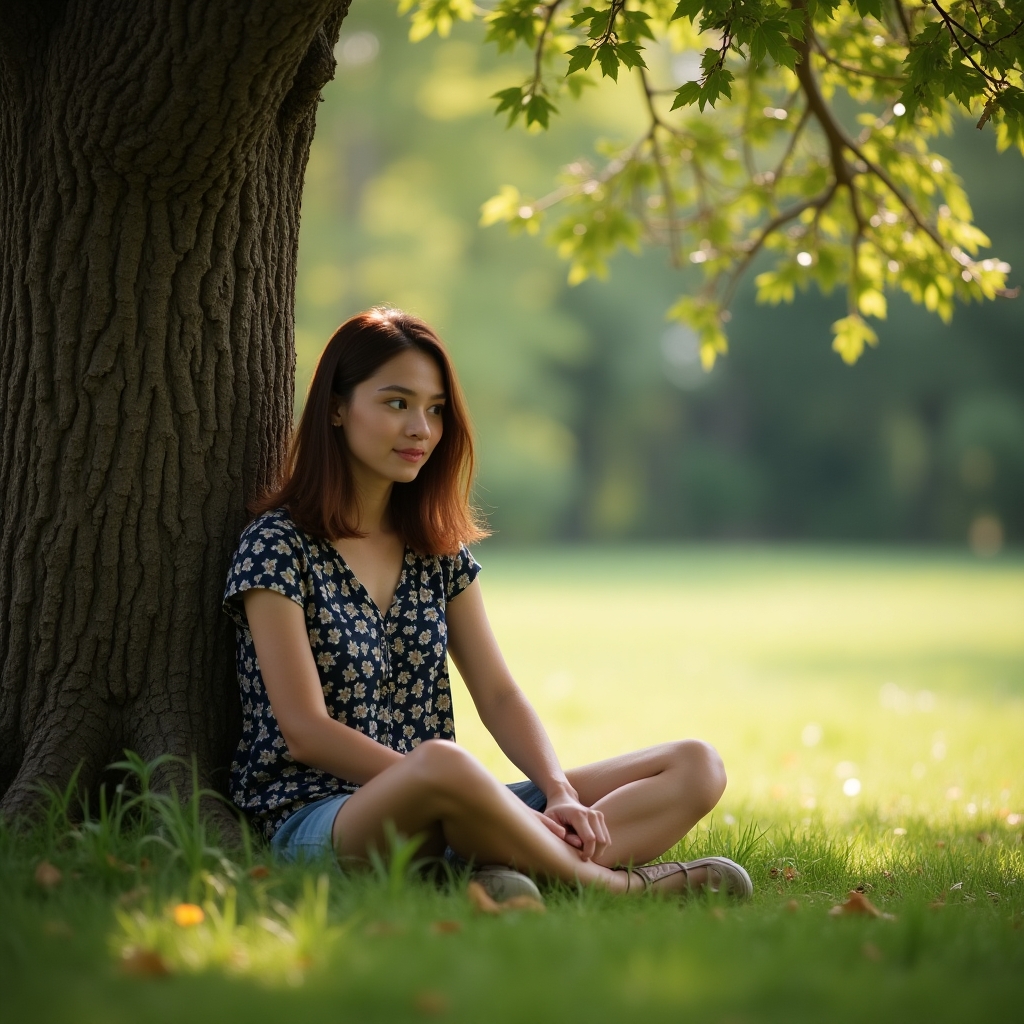
Her room became her refuge, walls adorned with sketches and watercolors, a testament to the dreams she held close to her heart. In the solitude of her sanctuary, she indulged in the freedom of creativity, painting landscapes of imagined worlds, each stroke a silent rebellion against the life predestined for her.
The tension lingered like static in the air, the clash of her personal aspirations and familial expectations manifesting not in explosive confrontations but in quiet moments of reflection. It was as if the world moved in harmonious rhythm, while she danced to a melody only she could hear.
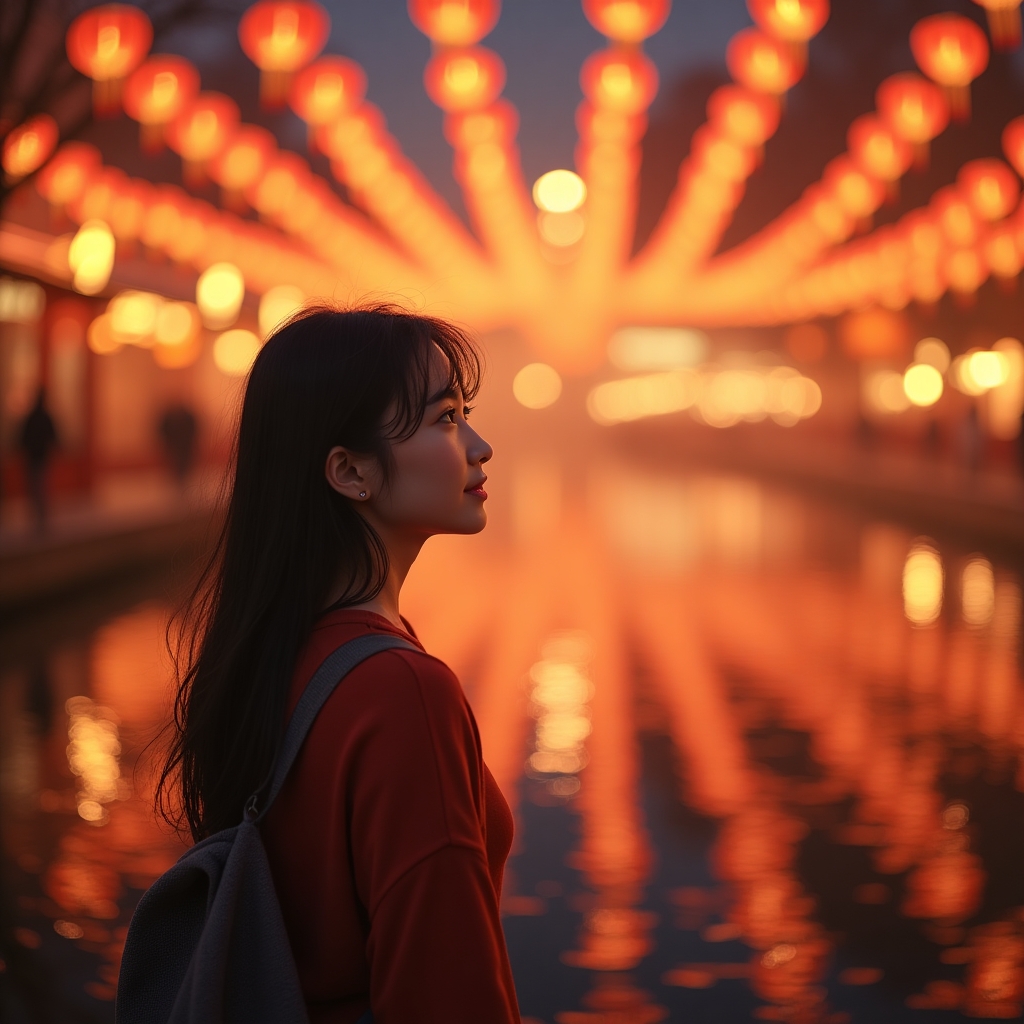
Then came the day of the festival, an annual celebration of culture and heritage. As lanterns painted the streets with warm hues and dragons danced through the crowds, Mei Lin stood at the edge of festivities, a spectator to joy she couldn’t entirely claim as her own.
Her mother, in a rare moment of vulnerability, approached her. “Mei, you seem distant lately,” she observed, her voice gentle but probing. “Your father and I worry.”
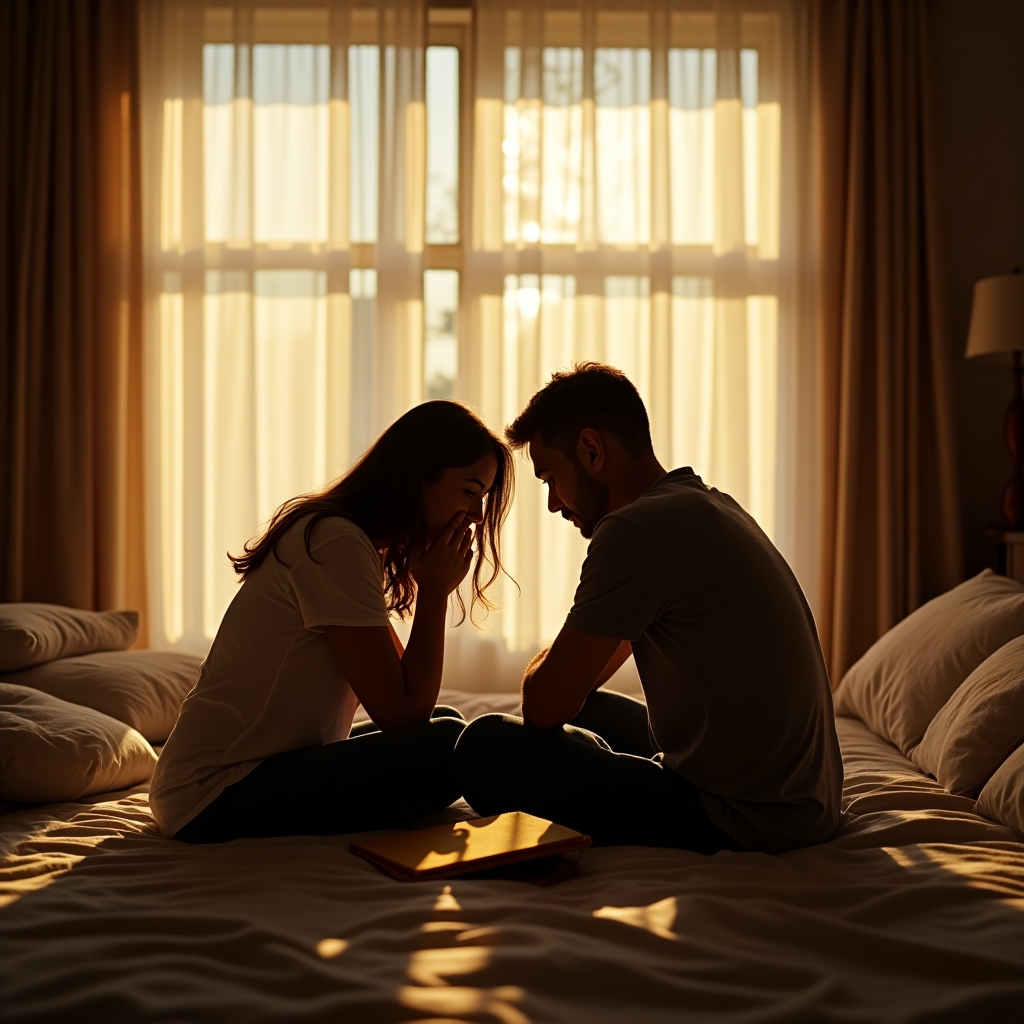
Mei Lin hesitated, trapped in a silence woven from years of unspoken truths. Her heart ached with the weight of words left unsaid, the fear of disappointment stifling her voice.
“I…” she began, faltering as she searched for a way to bridge the chasm between her desires and her family’s expectations. “I love art, Mama. I want to paint, to create. It’s what makes me feel alive.”
Her mother listened, her expression a blend of surprise and contemplation. In the quiet that followed, the world seemed to pause, the bustling festival fading into a background hum.
“We want you to be happy, Mei,” her mother finally said, her eyes reflecting a depth of understanding Mei Lin had not anticipated. “But happiness is not always where we expect it to be.”
In that moment, Mei Lin felt an emotional clarity, a gentle unraveling of the tangled threads that bound her. She realized that her family’s love was not a cage but a tapestry woven with room for her own colors and patterns.
As the lanterns swayed in the evening breeze, Mei Lin understood that her truth did not have to compete with her family’s hopes. She could honor their journey while forging her own path, her art a testament to her heritage and individuality.
The festival continued, vibrant and unyielding, but Mei Lin stood in her newfound strength, the quiet struggle giving way to a serene sense of peace. Her journey was just beginning, but she was ready, her heart a canvas embracing the possibilities of her own design.