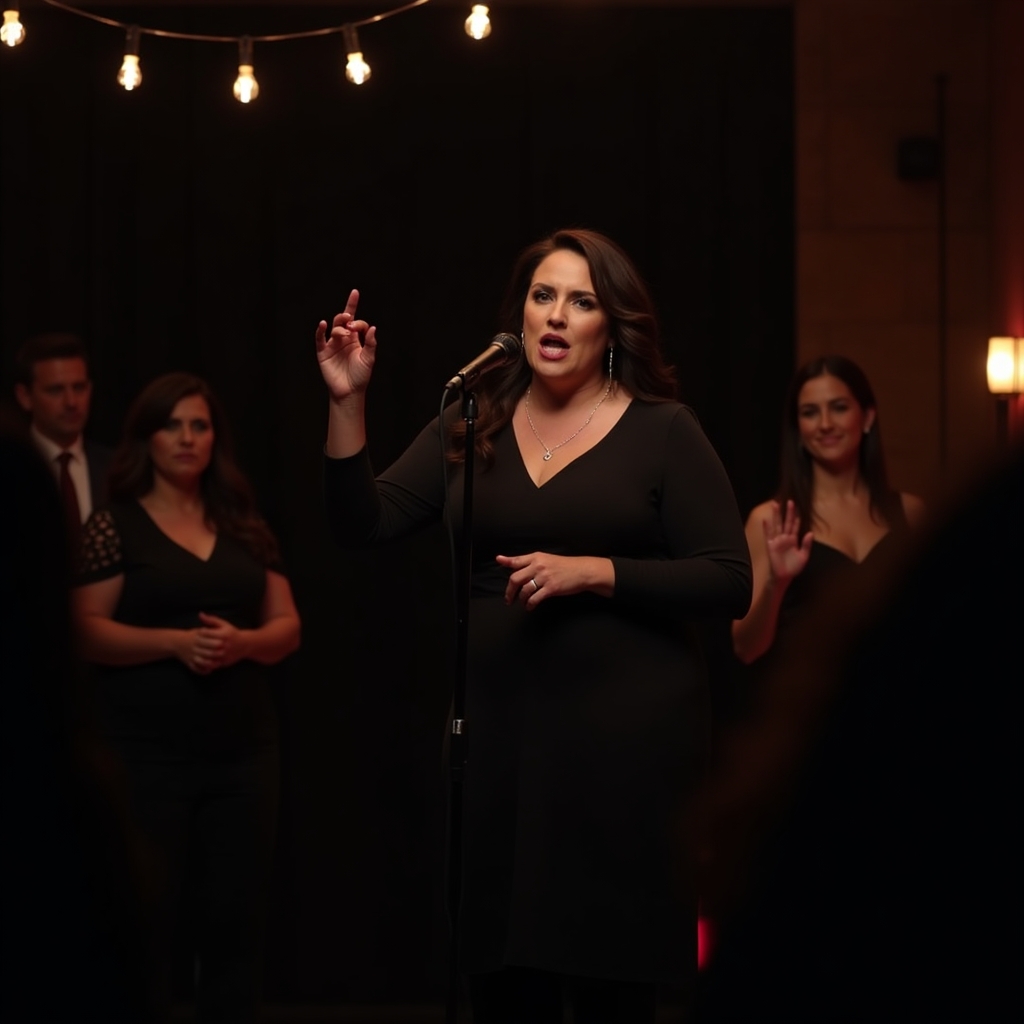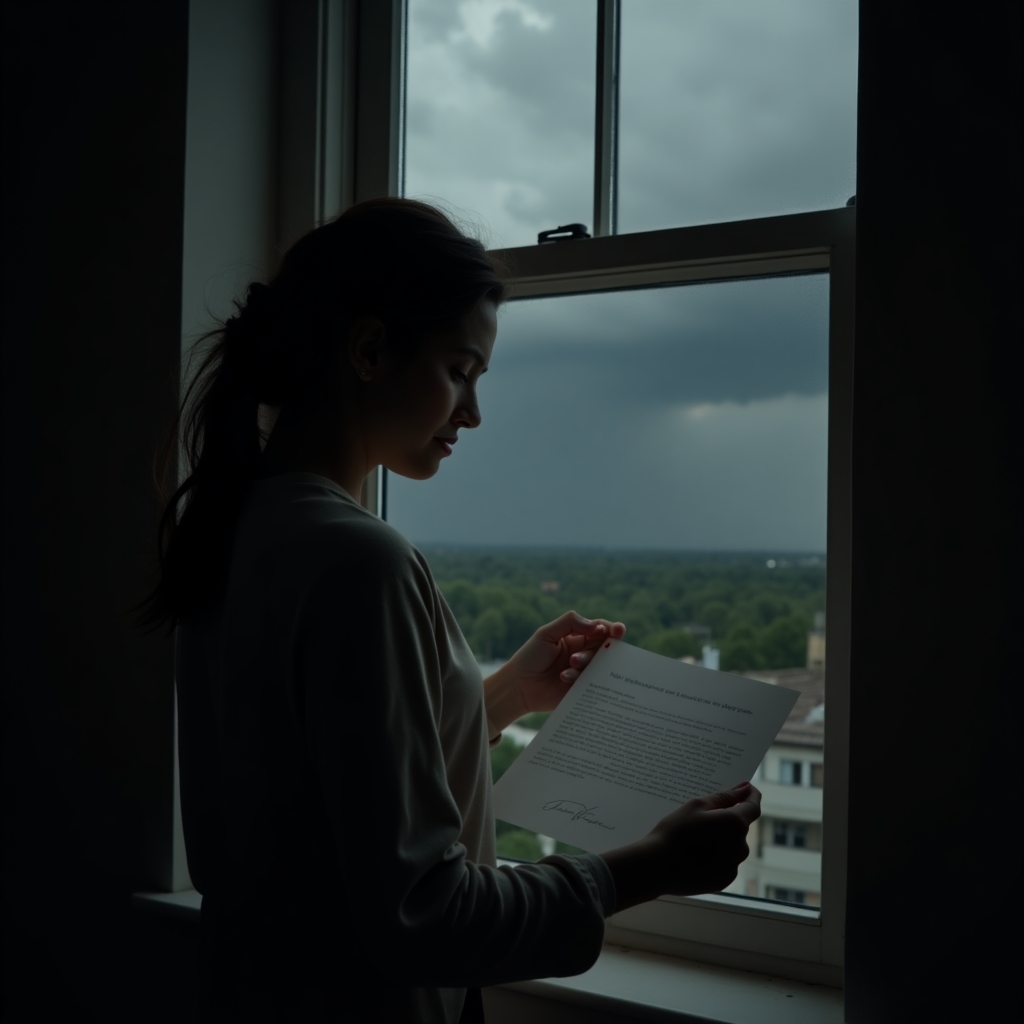
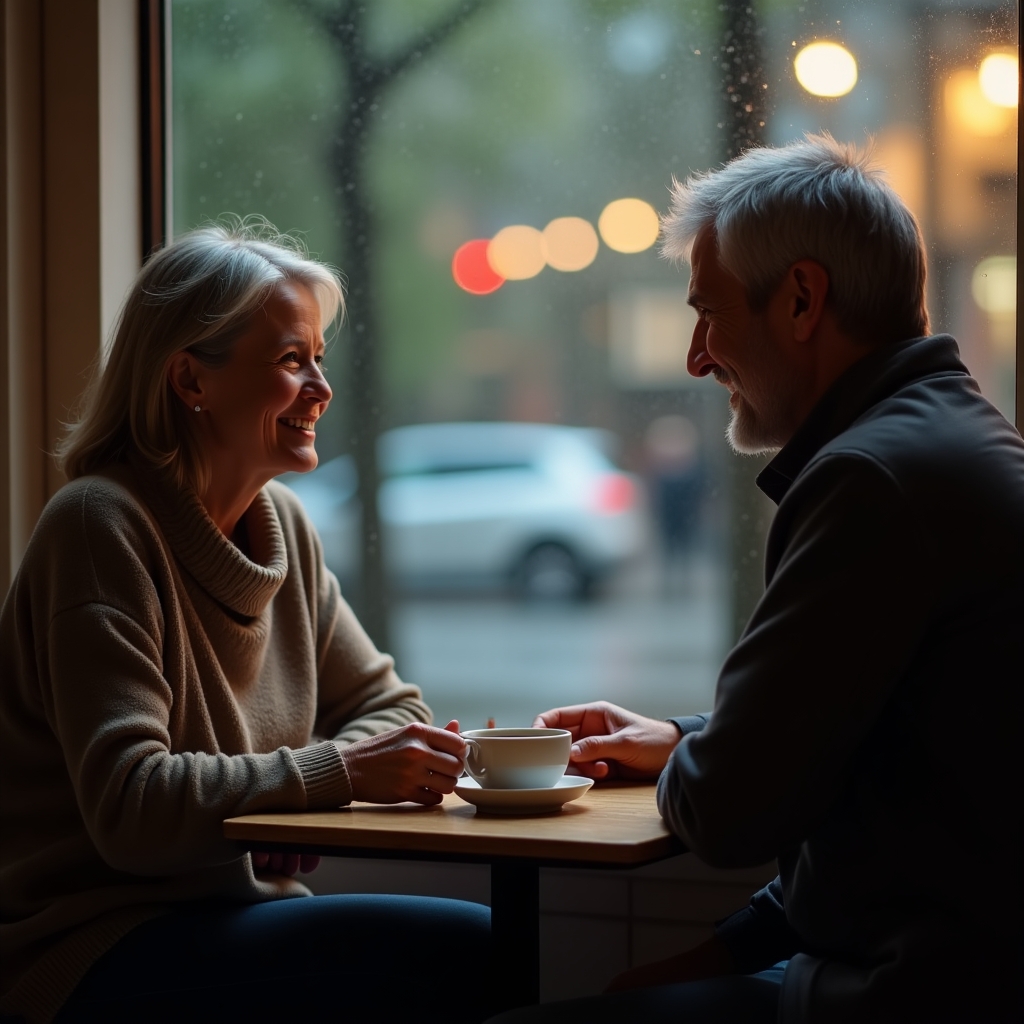


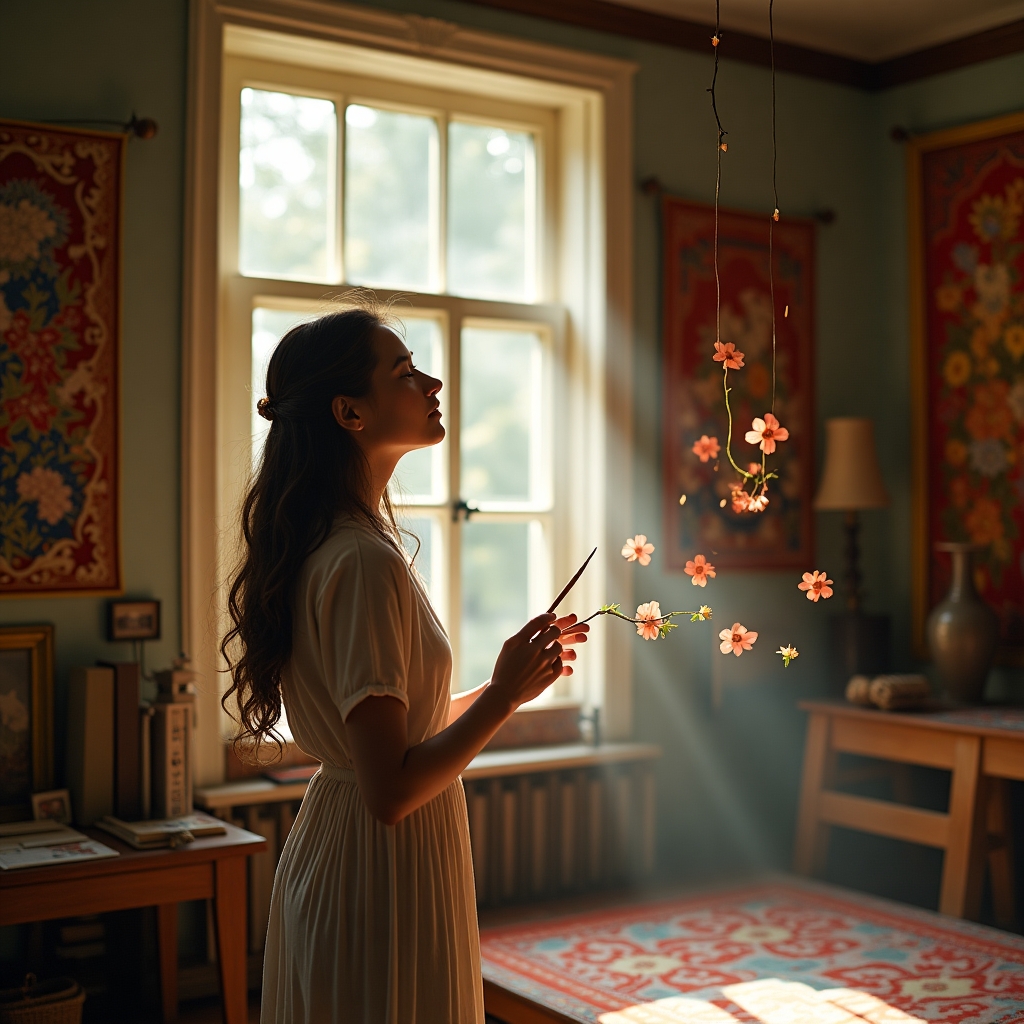
The town of Willowbrook, nestled amid emerald hills and flowing rivers, was a place that seemed suspended in time. Its cobbled streets, lined with quaint stone houses and ancient oaks, held a strong sense of tradition. Amidst this serene setting lived Miriam, a young woman whose heart was as divided as the town was rooted in its ways.
Miriam came from a lineage of artisans. Her family had been renowned weavers for generations, their tapestries celebrated throughout the region. It was expected that she would embrace this legacy, weaving the stories of her ancestors into her own creations. Yet, Miriam found herself drawn to a different kind of art—painting. The vibrant swirls of oil on canvas spoke to her in a way that the disciplined threads of weaving never could.
Her parents, kind but firm, upheld the family tradition with reverence. “The loom connects us to our past,” her father often said, his voice tinged with pride and a hint of admonition. “It’s in our blood.”
Miriam respected her heritage deeply. She admired the craftsmanship, the patience, and the history woven into every piece. But whenever she held a brush, she felt an unspoken connection to something within her—a voice that whispered of freedom, color, and expression beyond the confines of the loom.
The internal conflict was a quiet storm within her. To her parents, she played the dutiful daughter, nodding in agreement as they spoke of her taking on the family business. But at night, in the solitude of her room, she painted scenes of wild abandon—sweeping landscapes, abstract emotions, and portraits that captured fleeting moments of human experience.
Her dual life continued until one autumn evening, when a local art competition was announced. Miriam’s heart leaped at the thought of entering her paintings. Yet, her family’s expectations loomed like a shadow over her aspirations.
As the deadline approached, the tension within Miriam grew. It was not a battle of words or overt rebellion, but a deep, internal struggle. She found herself drifting through her days, her spirit tethered by the weight of decision.
The moment of clarity came unexpectedly, during a visit to her grandmother’s house. Her grandmother, once a master weaver herself, had stepped back from the craft due to age and illness. During their conversation, Miriam hesitantly shared her dilemma.
To her surprise, her grandmother smiled softly and took Miriam’s hand, leading her to a room filled with old tapestries. “Do you know why I loved weaving?” her grandmother asked, her voice a gentle murmur of the past.
Miriam shook her head, expecting a tale of tradition and duty.
“It was never about the weaving itself,” her grandmother continued, “but about telling stories—stories of our lives, our dreams, and our truths. Each thread was a part of me.”
Her grandmother paused, looking into Miriam’s eyes with a gaze that seemed to see beyond the surface. “What stories do you wish to tell, my dear?”
In that instant, Miriam understood that the essence of her heritage wasn’t confined to one form. Her paintings, like her grandmother’s tapestries, could also be vessels for storytelling and self-expression.
With newfound clarity, Miriam returned home, her heart lighter, her resolve stronger. She entered the art competition, her submission a vibrant depiction of a tapestry unraveling into a field of wildflowers—a metaphor of her journey between tradition and her own path.
When the day of the competition arrived, Miriam’s family stood by her side. Her parents, though initially hesitant, witnessed the depth of her artistry and the way her work resonated with others. It was a turning point not only for Miriam but for her family, as they began to see their legacy not as a rigid expectation but as an evolving narrative.
Miriam’s painting won the competition, but the true victory lay in the freedom she felt within. She had found courage not in defiance, but in understanding and honoring both her heritage and her individuality.
The town of Willowbrook continued to be a place of tradition, but now with a hint of newfound vibrancy—a reflection of the young artist who had dared to blend history with heart.