


In the heart of a bustling city that pulsed with the rhythms of modern life, Lila navigated a world defined by two distinct yet colliding spheres: the vibrant traditions of her family and the progressive ethos of her own aspirations. Each sphere painted a different picture of her future, leaving her suspended in an intricate tapestry woven from the threads of her heritage and her dreams.
Lila grew up in a household where the values of her ancestors held sacred weight. Her parents, both immigrants who had worked tirelessly to give her opportunities they themselves never had, viewed her life through the prism of their cultural legacy. They championed stability, community, and respect for tradition. To them, success was a solid career, preferably in medicine or law, and a family that mirrored their values.
Yet, from a tender age, Lila’s spirit danced to a different tune. She was drawn to the arts—specifically, the uninhibited expression of dance. To Lila, dance was more than an activity; it was a language through which she communicated with the world, articulating feelings she could never quite translate into words.
As the years drifted by like silent sentinels, Lila’s love for dance grew, cultivating a space within her that was both sanctuary and battlefield. On one hand, she cherished the joy of movement, the way it allowed her soul to soar beyond the constraints of expectation. On the other hand, she feared the silent judgment that seemed to emanate from the walls of her family home whenever she mentioned her passion.
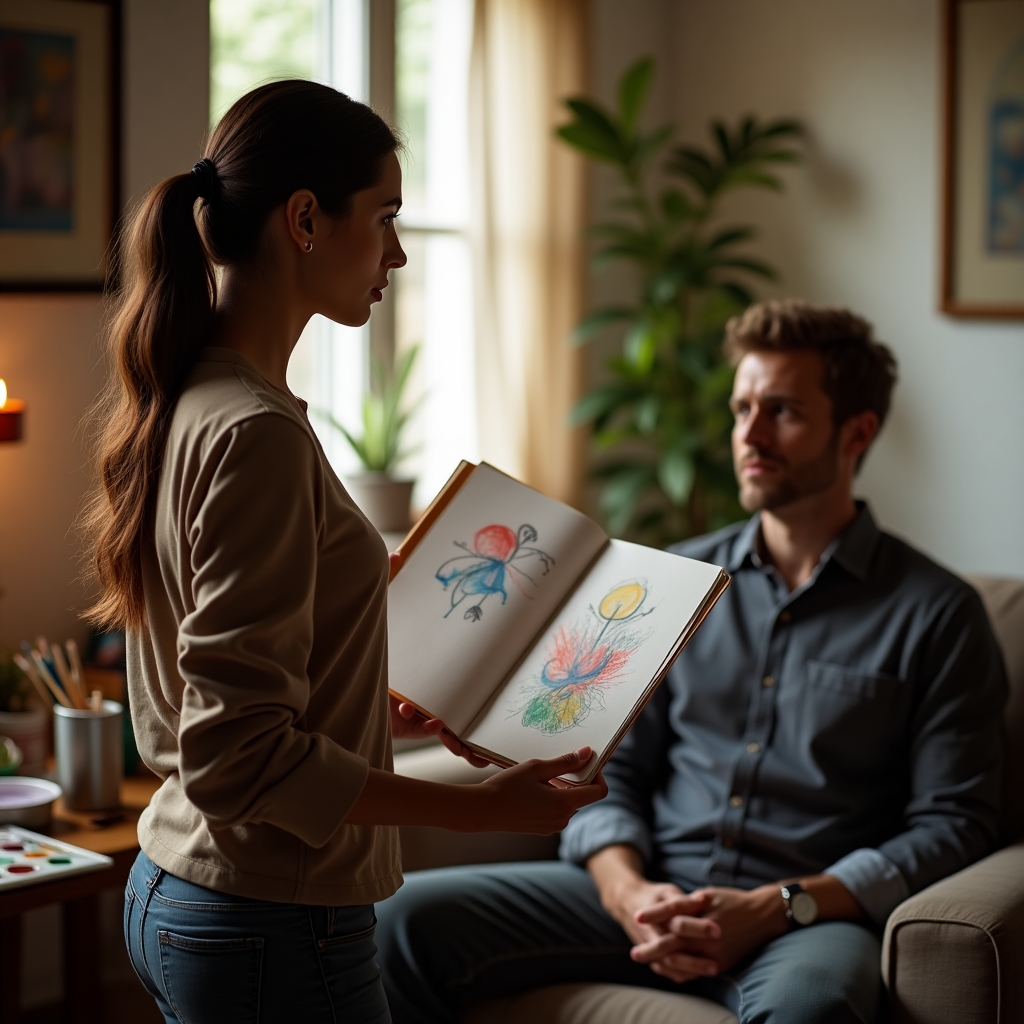
At family gatherings, Lila was often met with well-meaning but pointed inquiries about her studies. Her parents, despite their loving intentions, subtly reinforced their expectations with every question. “Have you thought about what specialty you might choose in medicine?” her father would ask, his eyes hopeful and earnest.
Lila’s response was always a noncommittal nod, a smile that didn’t quite reach her eyes. Inside, she fought the creeping sensation of guilt, a reminder that her dreams seemed to deviate from the path her parents had envisioned. It was a tension that simmered quietly, like the soft, persistent hum of city traffic—a constant presence that colored her thoughts.
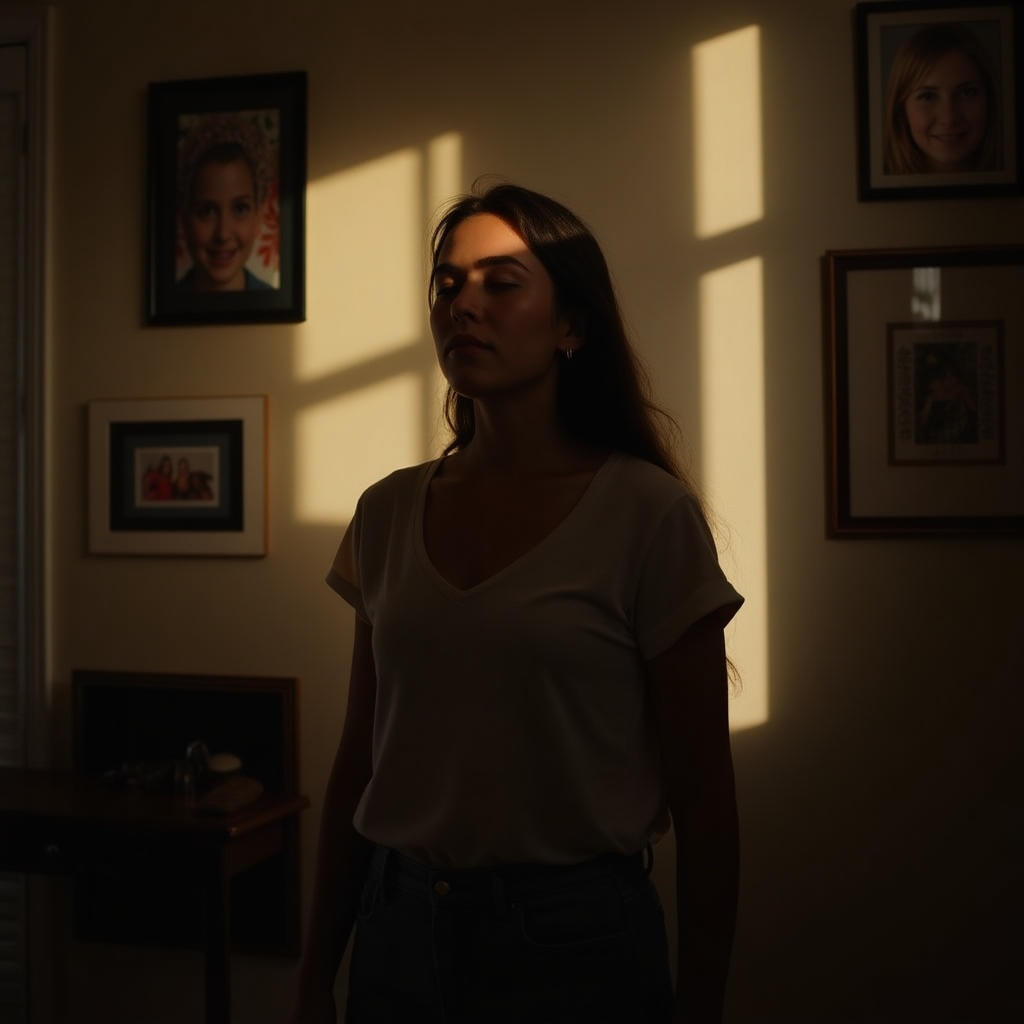
In the quiet hours of the night, alone in her room, Lila would dance. Her bedroom was her stage, the moonlight filtering through the curtains acting as her spotlight. Here, she could embrace the fullness of her identity without fear of disappointment. It was in these moments that Lila felt truly free.
The internal struggle persisted, a delicate balance between personal joy and familial duty. Her heart ached with the weight of unspoken words, a longing to reconcile the different parts of her life. She yearned for a time when she wouldn’t have to choose between being a dutiful daughter and a passionate artist.
The tipping point arrived unexpectedly one afternoon during a visit to her grandmother’s home. Her grandmother, wise beyond measure and perceptive beyond her years, noticed the shadows in Lila’s eyes as they sat together, sipping tea and gazing at the old photographs that lined the mantle.
“Lila,” her grandmother began, her voice a gentle balm, “you remind me so much of your grandfather. He was a dreamer, too. Often misunderstood, but his spirit was bold and true.”
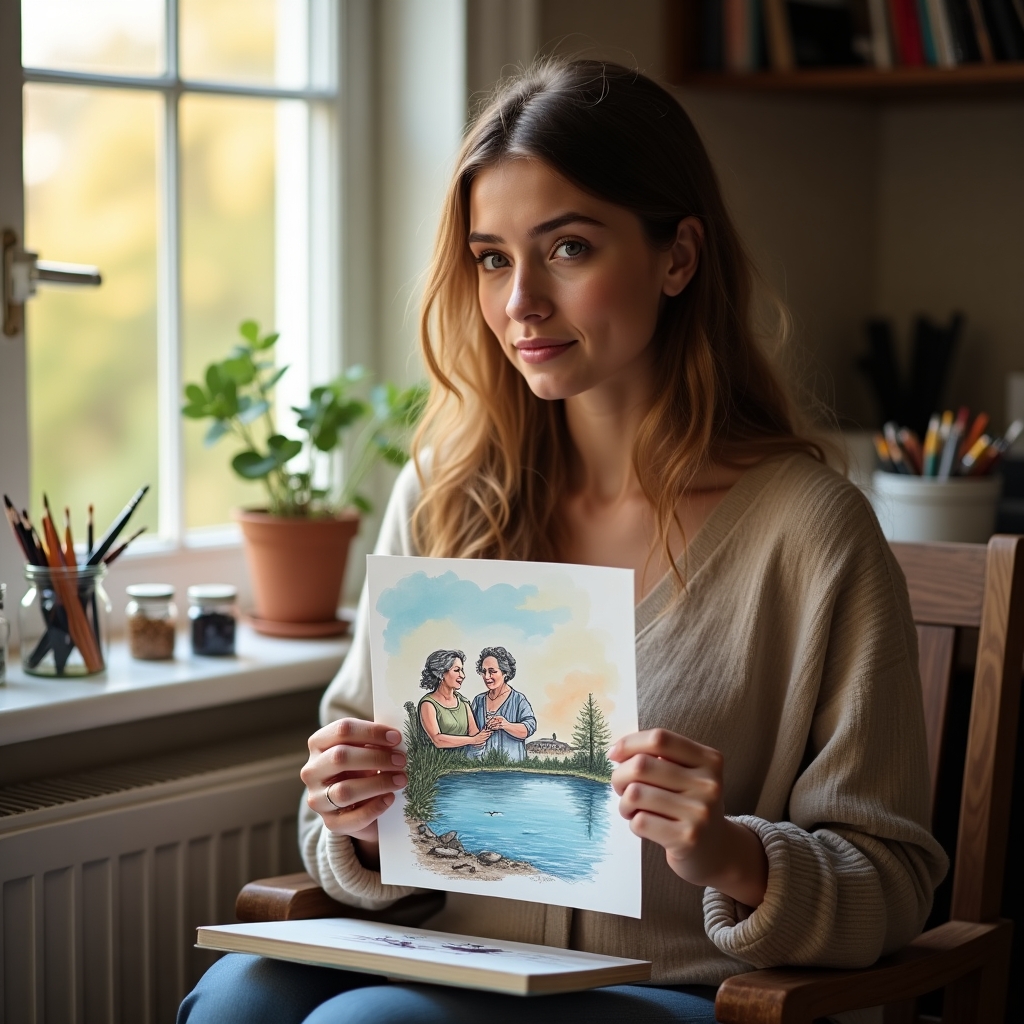
Lila looked at the photograph of her grandfather—a man she had never met, yet whose legacy lingered in the family stories—standing before a wide canvas, paintbrush in hand. There was an unmistakable gleam in his eyes, a reflection of the passion she felt when she danced.
“It’s easy to forget,” her grandmother continued, “that tradition is not just about preserving the past, but also about nurturing those who carry it into the future in their own unique way.”
In that moment, Lila felt a profound clarity washing over her. It was as if her grandfather’s gaze reached through the decades, urging her to honor both her heritage and herself.
For the first time, the path before her appeared less like a dichotomy and more like a bridge—a bridge that could connect her familial roots to the dreams that flourished within her. The tension in her heart eased, replaced by a quiet resolve.
Later, as she stood in front of her parents, her voice was steady and clear. She spoke of her love for dance, of her dreams and the values they had instilled in her that supported not just survival, but also a life worth living.
Her parents listened, their expressions shifting from surprise to understanding. It was a conversation long overdue, but in the end, it was met with acceptance—a testament to the love that transcended expectation.
Lila realized then that courage was not about rebelling against tradition, but rather, about embracing it as a foundation to build her own path. It was about finding harmony in the dissonance and honoring the multiplicity within herself.
As she moved forward, Lila felt a weight lift from her shoulders. She danced through life with renewed vigor, no longer torn, but whole—a reflection of her past, present, and future.