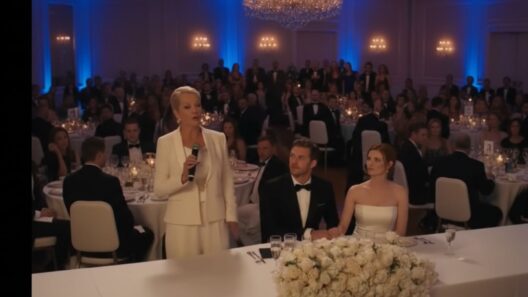
Hey everyone, I’m not exactly sure how to start this, so I’ll just dive right in. A few months ago, on a rainy Tuesday afternoon, a simple, unremarkable task turned into the biggest revelation of my life.
Let me back up a bit. I was cleaning out the attic in my childhood home. My parents had recently decided to downsize and move to a cozy little place by the sea. They asked if I could help sort through old stuff, and I agreed, feeling nostalgic about digging through memories.
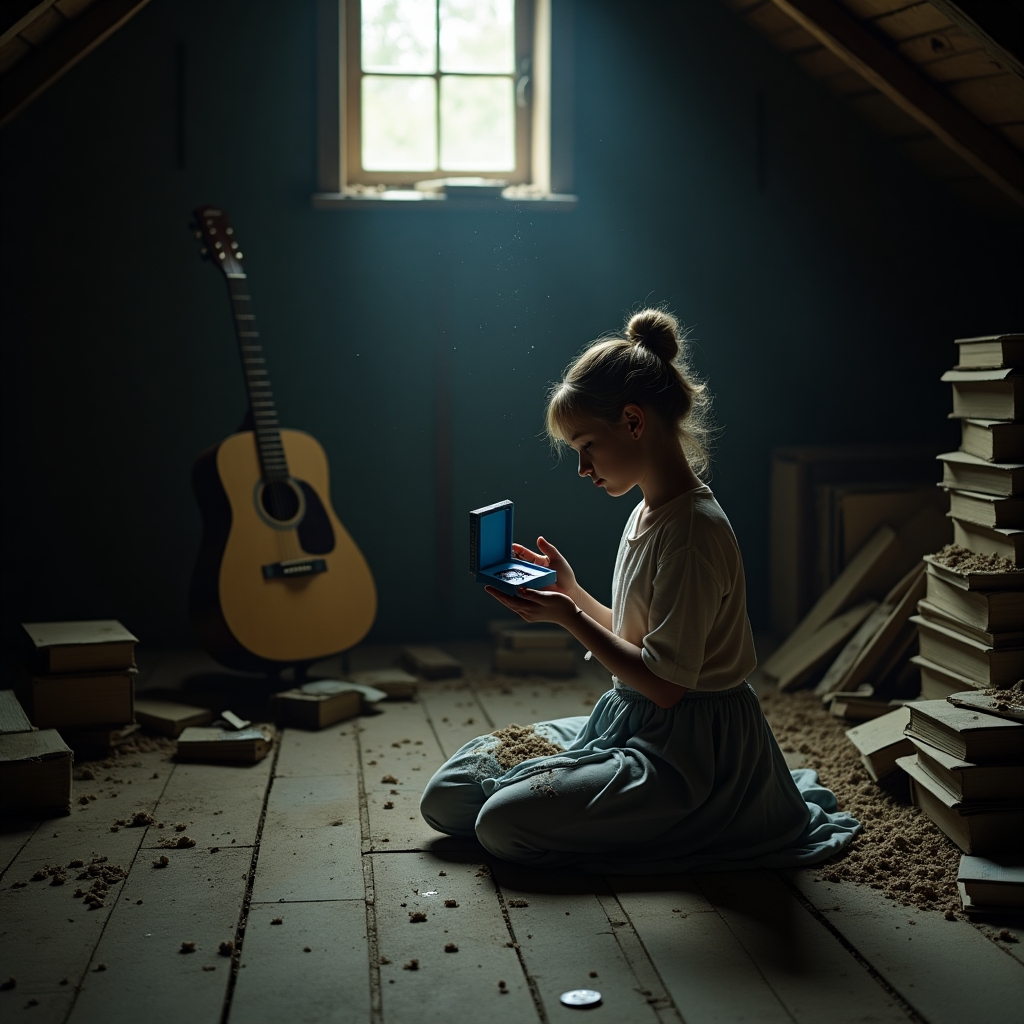
Most of it was junk: old clothes, discarded toys, a broken guitar I once tried to learn. But then, in a dusty corner, I found a small, faded blue box tied with a thin white ribbon. I’d never seen it before, which was odd, considering my mother is the queen of storing things in every nook and cranny of our house.
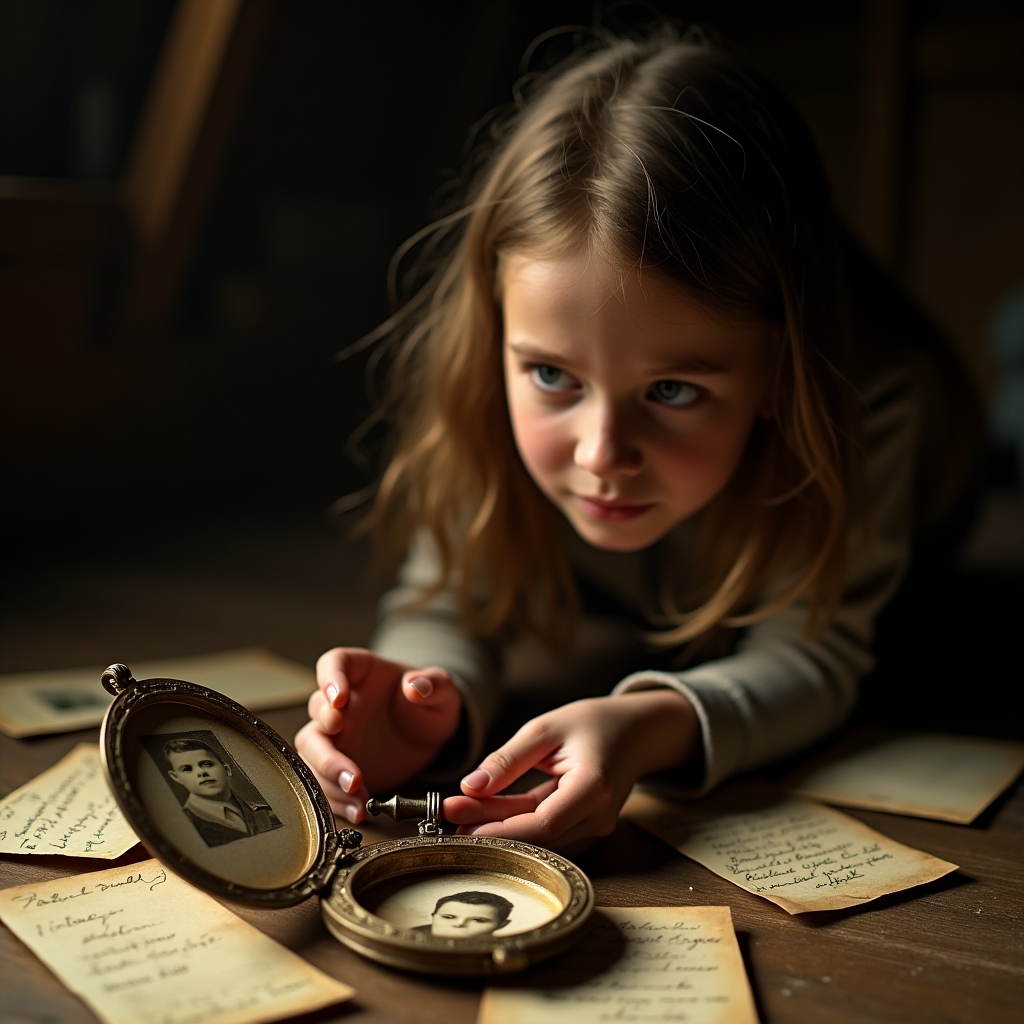
Curiosity piqued, I untied the ribbon and opened the box. Inside was a delicate silver locket, slightly tarnished with age. It didn’t belong to my mother; I’d never seen her wear anything like it. I opened it carefully, and inside were two small photographs. On the left was a picture of my mother as a young woman, full of life and radiance. On the right was a photo of a man I’d never seen before.
The sight of this man, with his gentle eyes and warm smile, stirred something deep within me—something both foreign and familiar. It was as if I knew him, though I couldn’t place him.
That evening, I sat with my mom over a cup of chamomile tea, the locket nestled in my pocket like a physical weight of the unknown. I showed it to her, trying to keep my voice casual. “Found this in the attic. Do you know who he is?” I asked, feigning nonchalance.
Her eyes widened, and she held the locket with a tenderness I hadn’t seen before. The room was filled with a profound silence that seemed to stretch for eternity. Then, she whispered his name—”James.”
“James was… my first love,” she started, her voice a cocktail of nostalgia and sorrow. “We were so young. We had our dreams, plans… but life, well, it had other ideas.”
I listened intently as she spoke about James. They had met during a summer break. Their connection was instant, magnetic. But family expectations and responsibilities pulled them apart. She spoke of how they promised to find each other again, but circumstances never allowed it.
Her voice trembled when she revealed, “He was your father.” The ground beneath me felt like it had shifted. I’d always assumed my father was the man who raised me, the one who taught me to ride a bike and read me bedtime stories. He was my dad in every sense of the word, except this one biological truth.
I was reeling, trying to make sense of what this meant for my identity, my past. My mother reached across the table, her hand finding mine. “Your father is the man who raised you. He loved you, and you were always his son,” she said, her eyes pleading for understanding.
As the initial shock wore off, I began to see the truth in her words. My dad might not have been my biological father, but he was my true parent, in every action and memory that mattered. And yet, the thought of James lingered—a father I never knew, whose image now filled an empty piece of my personal puzzle.
In the following weeks, I grappled with this newfound truth. It was a strange dance between confusion and curiosity. I read through old letters my mother had saved, found photographs, tried to piece together the story of a man I would never meet.
The process was cathartic. It allowed me to appreciate the complexities of love, the intersections of fate and choice. I understood my mother’s longing and my dad’s unwavering dedication towards us.
Sharing this now feels right, like a whispered secret finally coming into the light. This journey has taught me that truths don’t always shatter; sometimes, they gently unfold, revealing hidden layers of love and identity.
To anyone reading this, know that our pasts are not just pages turned; they are chapters that continue to shape us. And though my family narrative took an unexpected turn, it has made me more open, more understanding, and, in a strange way, more complete.
Thank you for listening.