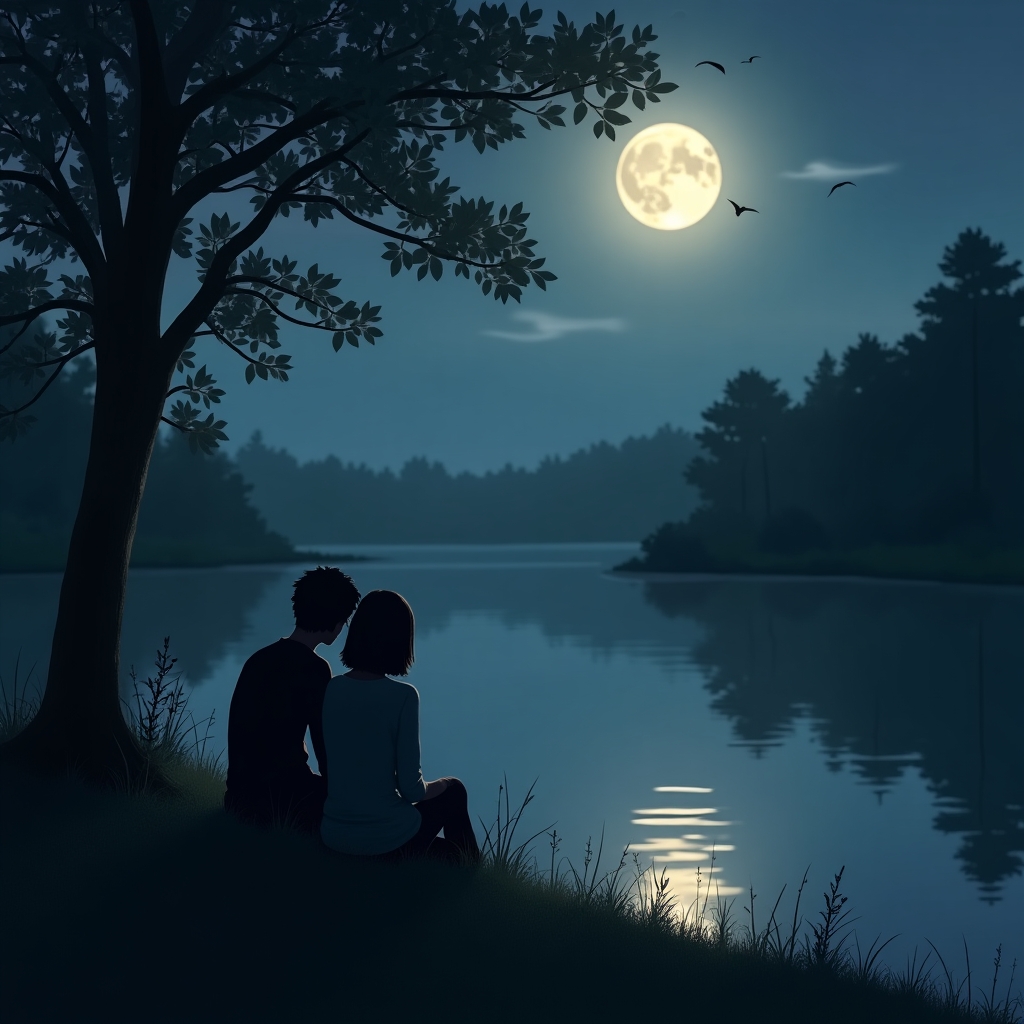



Asha sat on the worn wooden bench beneath the old willow tree at the edge of her family’s property, its branches swaying gently in the cool breeze of the late afternoon. She had spent countless hours here as a child, seeking refuge in the rustle of leaves that seemed to whisper their secrets to her. Now, at twenty-three, she found herself returning again, hoping the tree might offer her the clarity she so desperately needed.
Growing up in a tight-knit Indian family in the heart of rural England, Asha had always been aware of the weight of her family’s expectations. Her parents had come to this foreign land with dreams of prosperity, working tirelessly to provide their children with opportunities they never had. Asha had absorbed their dreams into her own, wearing them like a cloak throughout her life.
Academically inclined and diligent, she excelled in her studies, earning a scholarship to a prestigious university. Her parents beamed with pride, their hopes pinned on her becoming a doctor—a beacon of success in their community. But beneath the surface, Asha harbored a different dream. She longed to be an artist, her soul yearning for the freedom to create.
For years, Asha attempted to reconcile her artistic passion with her family’s aspirations. She enrolled in a pre-med program but found herself doodling in the margins of her notebooks, sketching faces and landscapes instead of focusing on anatomy. Her heart ached with the constant pull between duty and desire, a silent struggle that gnawed at her spirit.
Her closest friends, aware of her internal battle, offered gentle encouragement and support, but the thought of disappointing her parents was a burden too heavy to bear. Each visit home was a reminder of the honor and success her parents anticipated—a mantle she wasn’t sure she could uphold.
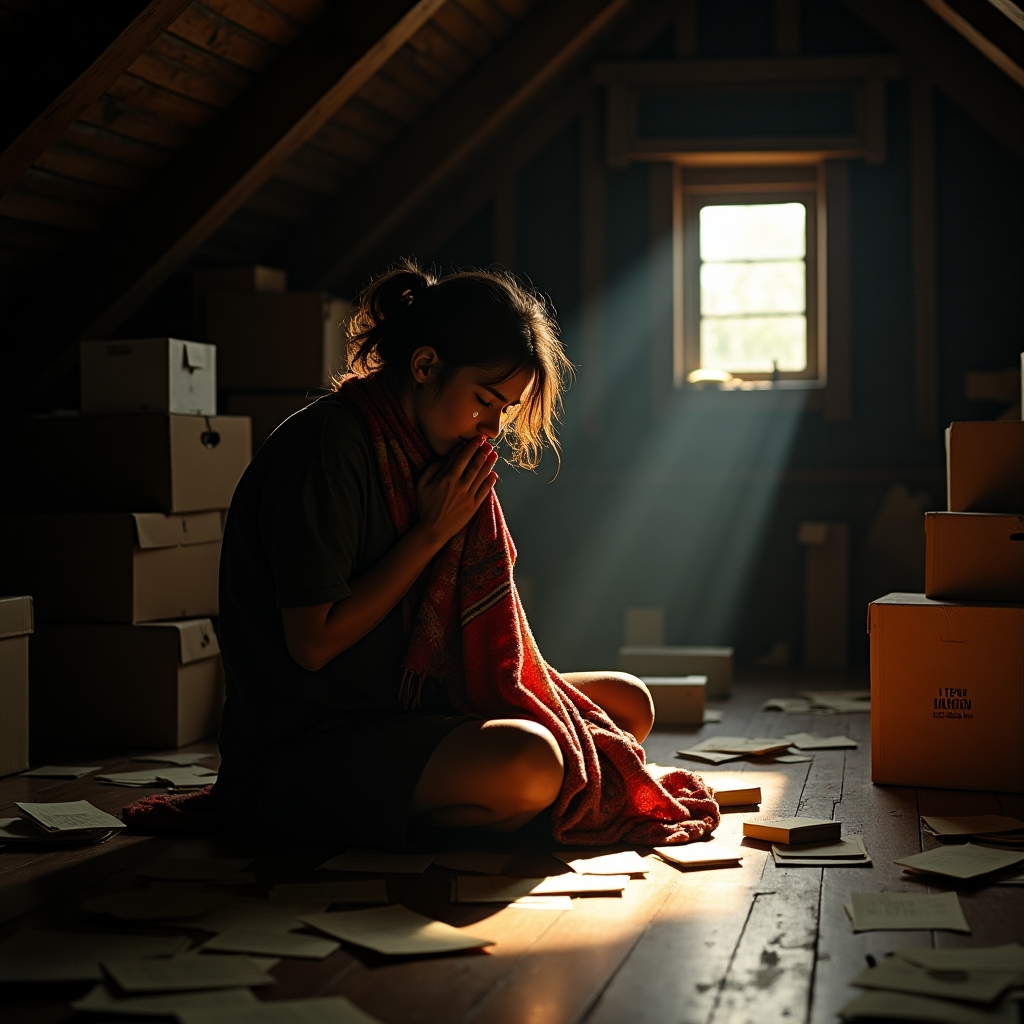
As days turned into weeks, Asha felt herself growing more distant from her true self. Her laughter became less frequent, her joy dimmed by the persistent shadow of unfulfilled dreams. She knew she needed to make a decision, but fear tethered her to the path she had not chosen for herself.
It was during one of these contemplative evenings beneath the willow that an unexpected companion joined her. Her grandmother, a woman of quiet strength and gentle wisdom, approached and sat beside her. The two shared a deep bond, one that transcended the generational divide between them.
“Your heart seems heavy, Asha,” her grandmother said softly, her eyes reflecting a lifetime of understanding.
Asha hesitated, then spoke, her voice barely above a whisper. “I don’t know what to do, Dadi. I feel torn between my own dreams and what everyone expects of me.”
The older woman nodded, her gaze fixed on the horizon. “There is an old saying, beta: ‘The willow bends with the wind, but does not break.’ You must learn to bend without losing yourself.”
Asha listened intently, her heart filling with a quiet resolve.
“Your journey is your own,” her grandmother continued. “We live in a world of expectations, but true courage comes from honoring who you are inside.”
The words resonated deep within Asha, piercing through the fog of doubt that clouded her mind. For the first time, she realized that living authentically might be the greatest gift she could give both herself and her family. The thought brought a peace she’d long been missing.
That evening, Asha returned to her room, took out her sketchbook, and began to draw. She didn’t know what her future would hold, but for the first time, she felt free to explore the possibilities. Her heart was lighter, and her path, though uncertain, seemed illuminated by the gentle glow of newfound clarity.
Asha’s journey towards authenticity was not a rebellion against her family’s values but a quiet assertion of her own truth—a balance between bending and standing firm. She knew it would take time and emotional courage to fully integrate this new understanding, but she was ready to try.
Years later, as Asha displayed her art at her first gallery exhibition, her parents stood by her side, pride evident in their eyes. She realized in that moment that generational healing wasn’t about defying the past but embracing it while forging a new path forward.