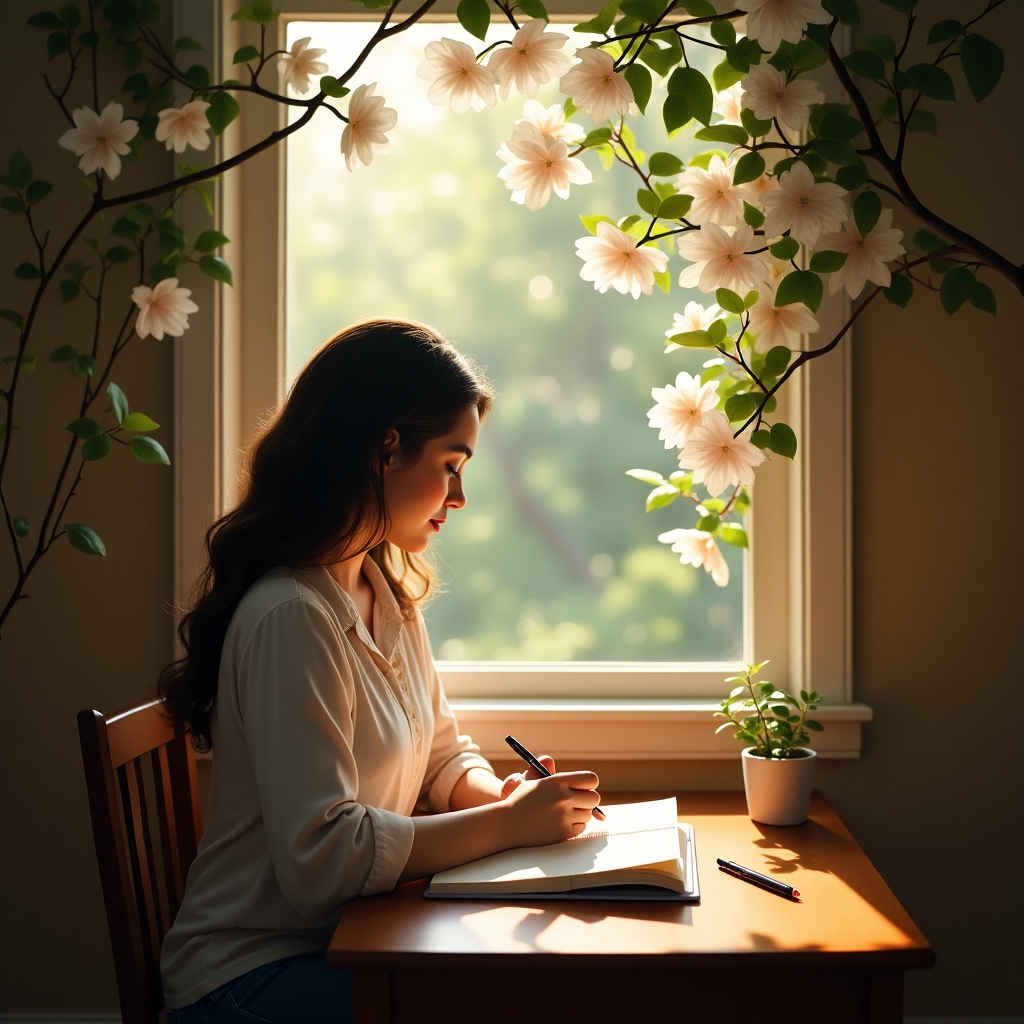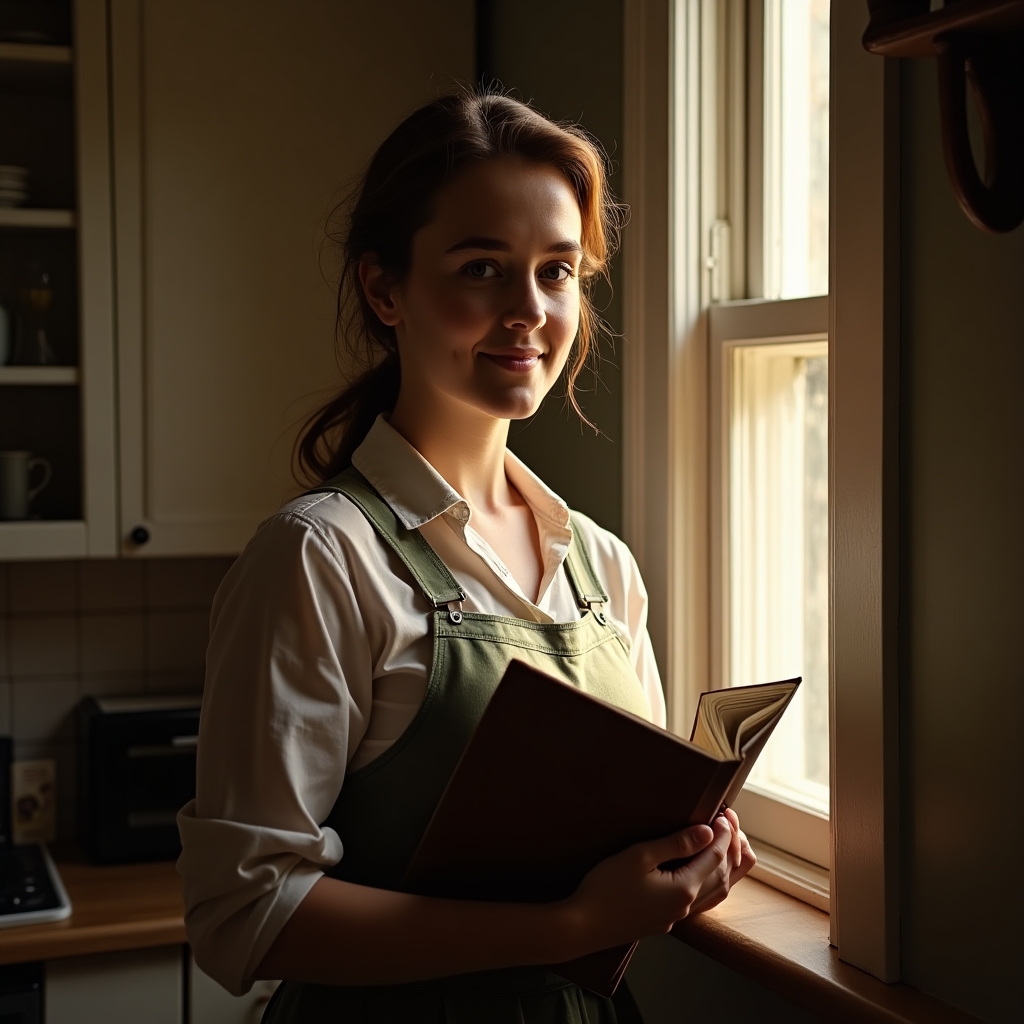




Lydia stood in her kitchen, eyes unfocused as she looked out the window, the steam from her morning cup of tea obscuring the view of the gardens. The world outside seemed so alive, animated by the brisk autumn breeze that rustled through the trees, sending a cascade of yellow and red leaves dancing through the air. She used to love this time of year. It reminded her of new beginnings, of the possibility hidden in change. But for the past decade, her life had settled into a monotony that muted her will, and the leaves now only whispered reminders of dreams shelved away.
“Lydia, did you hear what I said?” Oliver’s voice pulled her back into the room.
“Sorry, what was that?” she replied, her tone reflexively conciliatory.
“The Johnsons will be coming over for dinner tomorrow. I need you to make that roast they’re always raving about,” he said, his eyes still on his phone.
It was always like this, planned without her input, her consent assumed. Lydia nodded, swallowing back the twinge of resentment. “Of course,” she said softly, turning back to her view.
The next day, she found herself at the local farmer’s market. The vibrant colors and earthy smells were almost intoxicating, a sensory overload that momentarily drowned out the noise of her thoughts. As she moved through the stalls, her fingers lingering over fresh produce, a voice to her left broke the spell.
“Lydia? Is that you?”
Turning, she found herself face to face with Jane, an old friend from college.
“Jane, wow! It’s been ages,” Lydia replied, a genuine smile spreading across her face for the first time in days.
They fell into a conversation, the kind that picks up as if no time has passed. Jane spoke about her travels, her art, her life. She was as vibrant as ever, her laughter bubbling up from a wellspring of freedom and self-determination.
“And what about you, Lydia?” Jane asked. “Still painting? You always had such a gift.”
The question hit her like a cold splash of water. She hadn’t painted in years. Her easel had collected dust, tucked away in a forgotten corner of their attic.
“No, no time for that these days,” Lydia replied, a practiced response.
Jane looked at her, a knowing glint in her eye. “You should,” she said simply. “You used to talk about how it made you feel alive.”
That evening, after dinner, Lydia cleared the table while Oliver sat in the living room, absorbed in the evening news. Her mind was elsewhere, wandering amidst half-formed thoughts and buried longings. As she washed the last of the dishes, her resolve began to solidify, each plate methodically wiped and stored away echoing a decision being made.
The house was quiet when Oliver finally retired to bed. Lydia stood in the dimly lit kitchen, the echoes of Jane’s words reverberating through her mind. She dried her hands, the towel slipping silently onto the counter. Her heart pounded in her chest, a steady rhythm that matched her nervous anticipation.
Heading upstairs, she paused outside the door to the attic. Her fingers hesitated on the door handle, years of internalized doubt whispering caution. But another voice, deeper and newly awakened, urged her forward.
With a deliberate twist of the knob, she pushed open the door. The attic was filled with neglected relics of her past, each hinting at a life once vibrant and full. She switched on the light, its glow barely illuminating the dust-laden room. And there it was, her easel, waiting patiently.
Lydia approached it, her fingers trailing through the dust, uncovering the smooth wood beneath. It felt foreign yet familiar. She opened the window to let the cool autumn air spill in, the scent of the earth and leaves mingling with memories of evenings spent lost in creation.
She set up a canvas, the blank space reminding her of endless possibilities, a canvas she was free to fill with her truth, her colors. She rifled through old tubes of paint, their contents still viable, and began.
Time slipped away as brush met canvas, each stroke a step towards liberation. As she painted, she felt the chains of her past constraints begin to loosen, the tight grip of others’ expectations fading.
It was late when she finally stepped back, a soft gasp escaping her lips. The painting was raw, imperfect, yet achingly beautiful in its honesty. It was her declaration.
The attic door creaked open, and Oliver’s shadow appeared on the stairs. “Lydia? What are you doing up here?” he asked, voice tinged with confusion.
Lydia turned to face him, her eyes meeting his steadily. “I’m painting, Oliver,” she said, her voice steady and sure.
He looked at her, a perplexed frown knitting his brow. “It’s late. You should get some rest.”
She nodded but didn’t move. “I’m not tired,” she replied.
The air between them was charged, an understanding passing silently. Lydia held her ground, her decision made.
Oliver sighed, the tension in the room dissolving as he turned and left her to her art. Lydia returned to the canvas, a new certainty settling over her. She was reclaiming her autonomy, one brushstroke at a time.