
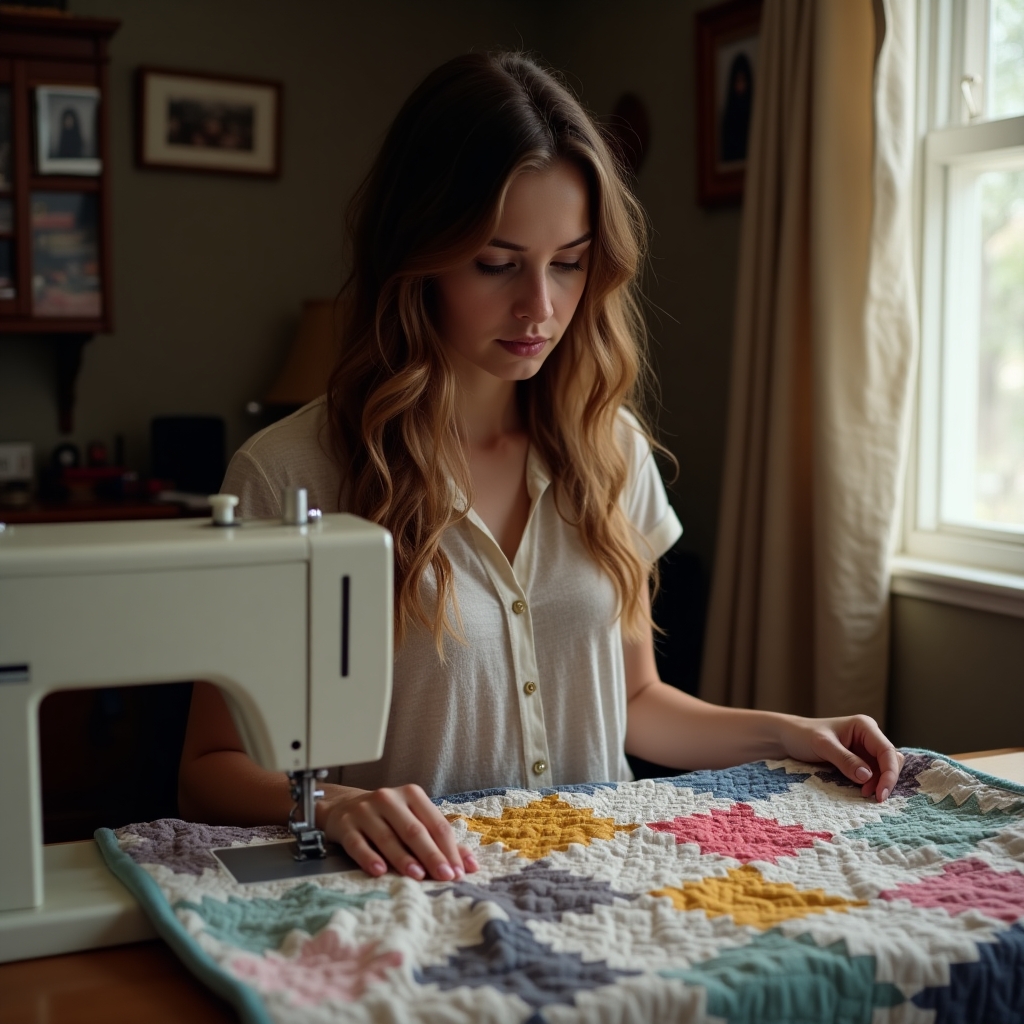



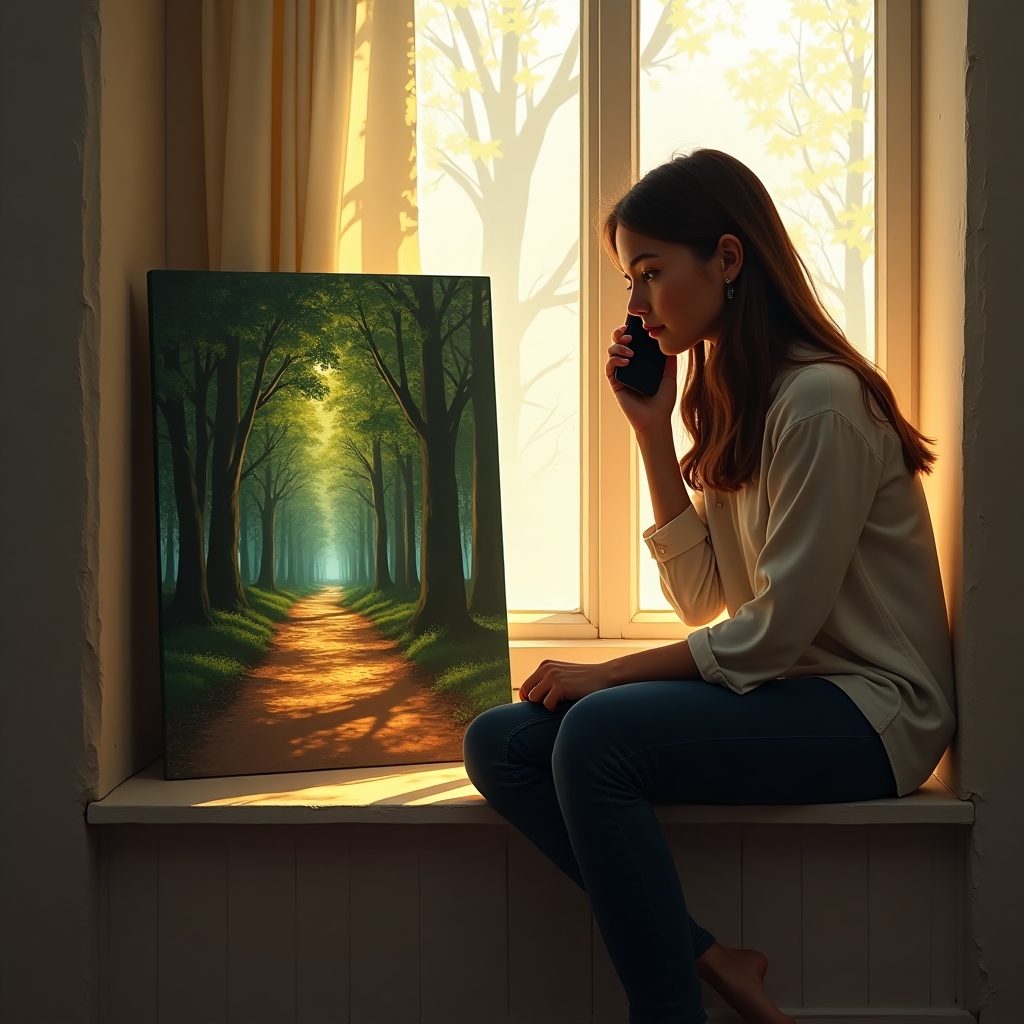
Sofia sat on the windowsill in her small New England apartment, watching as the world below moved on without her. She had come here to escape, to think. Her family back home in the heart of the South expected so much from her—an eldest daughter burdened with the dreams and traditions of generations.
To the McAllisters, family was everything. They were good people, believers in tradition and hard work. Sofia’s parents were well-respected in their community, deeply embedded in their Southern roots, and they held steadfast expectations for her to continue in the same footsteps. Every phone call home brought subtle reminders of duties unmet: the gentle probing questions about her future plans, the veiled hints about returning home permanently, and the not-so-subtle encouragements to settle down with a ‘nice, respectable young man.’
Sofia loved her family dearly, but as she sat there, bathed in the soft glow of an early morning sun, she couldn’t help but feel the weight of those expectations pressing down on her. Her heart ached for something different. The path laid out for her felt like wearing a pair of shoes a size too small. They pinched and poked, leaving her on edge, suffocated.
The dilemma gnawed at her constantly—a conflict between pursuing a life shaped by her own aspirations or one shaped by the desires of those she cherished. She recalled her grandmother’s tales of resilience, how she had toiled during the harshest years, holding the family together with a will of iron. Sofia admired her strength, but she longed for her own narrative.
Yet, the thought of disappointing them, of stepping away from the legacy ingrained in every family gathering, was terrifying. Her mind played a cruel game, imagining the look of disappointment in her mother’s eyes, her father’s silent disapproval. They gave her everything she had, and choosing a path alien to their world felt almost like a betrayal.
Days turned into weeks, each marked by quiet moments of introspection. Sofia found herself drawn to art—painting landscapes, sketching portraits, pouring her tumultuous emotions onto canvas. It was during these times that she felt closest to herself, as if the strokes of her brush were whispers of her true voice.
Her art was a world of color and emotion, contrasting starkly with the monochrome expectations she felt elsewhere. She could lose hours in the studio space she rented downtown, another small sanctuary away from prying eyes and probing questions. Every brushstroke was a declaration, a silent assertion of her individual truth.
One afternoon, as she was lost in yet another piece, her phone rang. It was her mother. The conversation was familiar, orbiting around family news and future plans. As they spoke, Sofia’s gaze drifted to a painting she had recently completed. It was a depiction of a path through a dense forest, branching into two distinct trails. She had unconsciously painted her dilemma.
Her mother’s voice brought her back, asking gently but firmly about her intentions to come home for the summer. Sofia hesitated, looking between the painting and the phone. This was it—the moment where her internal struggle had to find words.
“Mom,” she began, her voice finding strength through the trembling, “there’s something I need to tell you.”
And then it came—words she had rehearsed a thousand times in the silence of her mind, finally breaking free. She spoke of her passions, her need to stand alone, the life she envisioned for herself outside the bounds of their expectations. The admission was raw, vulnerable, and it hung in the air between them like a fragile web.
Her mother was silent for a beat too long, and Sofia’s heart hammered in her chest. But then, unexpectedly, came a sigh at the other end, followed by words softer than she’d anticipated.
“I understand, Sofia,” her mother said quietly. “We all have our journey. We just want you to be happy.”
In that moment, Sofia realized that her family’s expectations were born not from a place of control, but from love and concern. Maybe she had underestimated their capacity to accept. She also understood that her truth didn’t have to be a rejection of her roots but could coexist with them, honoring her individuality while still respecting where she came from.
That evening, as she sat again on the windowsill, watching the world below with a new lens, Sofia felt lighter. The quiet tension that had simmered within her was replaced by a newfound clarity. She was ready to embrace her path openly—interweaving her family’s love with her own aspirations.
Sofia knew there would still be challenges ahead, moments where she might falter or doubt, but she carried with her a quiet strength, rooted in the understanding that she was not alone. Her family was part of her—as intrinsic to her being as her art—and she could walk this new path supported by their love and her own courage.