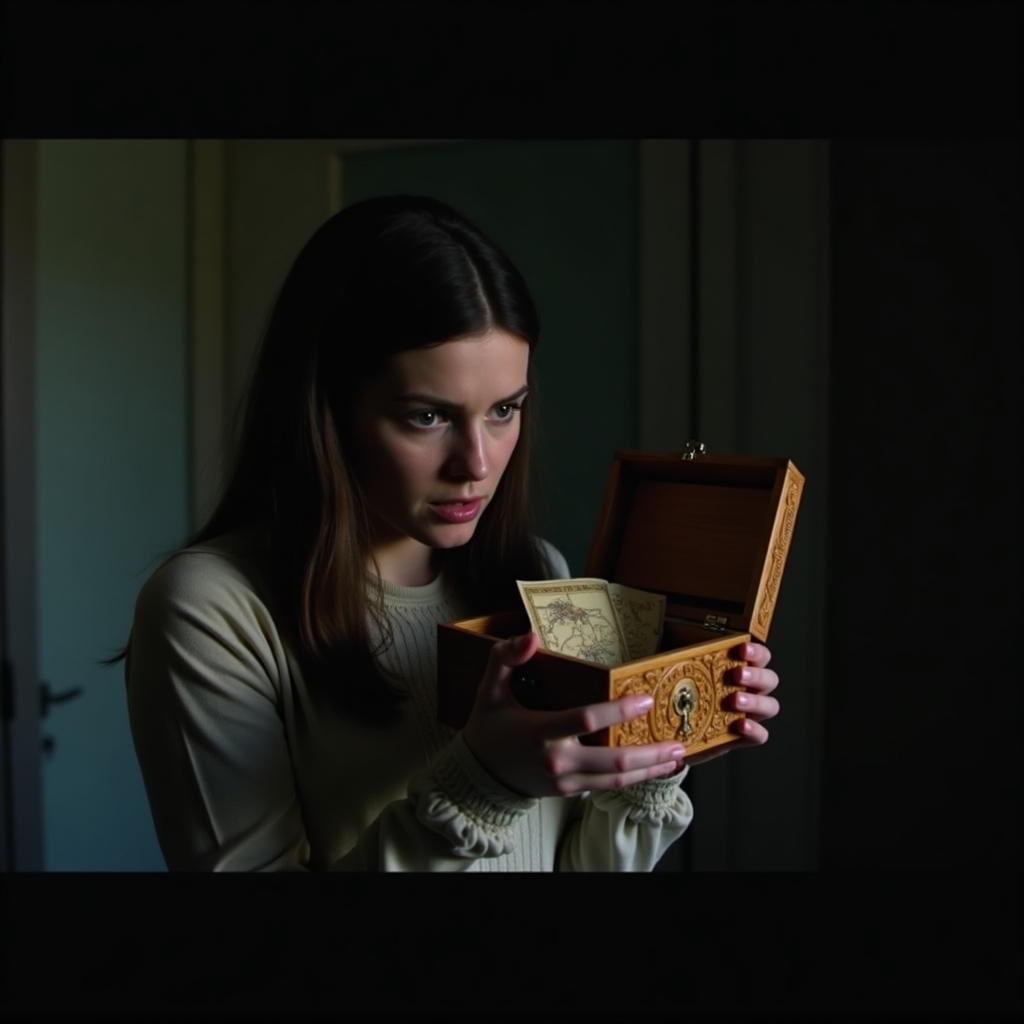




Emma could feel it in the air, an almost imperceptible shift, like the cool breeze before a storm. Her partner, Lucas, had been distant lately, his attention flickering like a faulty light bulb. Conversations that once flowed like a river now felt dammed, caught up in an unsaid turmoil Emma could sense but not see.
It started subtly. Lucas began working late, something he rarely did. “Big project,” he would say, his eyes not quite meeting hers. Emma had no reason to doubt him, but doubt took root in the spaces between his words. One evening, she noticed a smudged receipt in his jacket pocket for a restaurant she didn’t recognize. It was a small discrepancy, easily explained, yet it sent a shiver through her stomach.
The gaps in Lucas’s stories began to widen. Emma would ask about his day, and he’d pause, as if sorting through a pile of half-truths. “Went for drinks with Mark,” he said one night, but when she casually mentioned it to Mark’s wife, she received only a confused smile.
Lucas’s behavior became more erratic. He laughed too hard at jokes that weren’t funny and grew silent when the conversation turned serious. He seemed haunted, as if by a ghost Emma couldn’t see, something that followed him from room to room.
There was an emotional silence between them, a chasm that widened each day. Emma lay awake at night, replaying their conversations, searching for the moment when everything changed. Her mind was a carousel of questions without answers, a whirl of possibilities that left her dizzy and exhausted.
One evening, she decided to confront him, but the words caught in her throat. Instead, she watched him from across the room, his face illuminated by the soft glow of his phone. His expression was unreadable, like a stranger wearing Lucas’s skin.
Then came the mismatched reality. Lucas returned home one night, later than usual, with a bruise on his cheek. “Caught my face on a door,” he laughed it off, but Emma knew better. The bruise was the color of suspicion, a mark she couldn’t ignore.
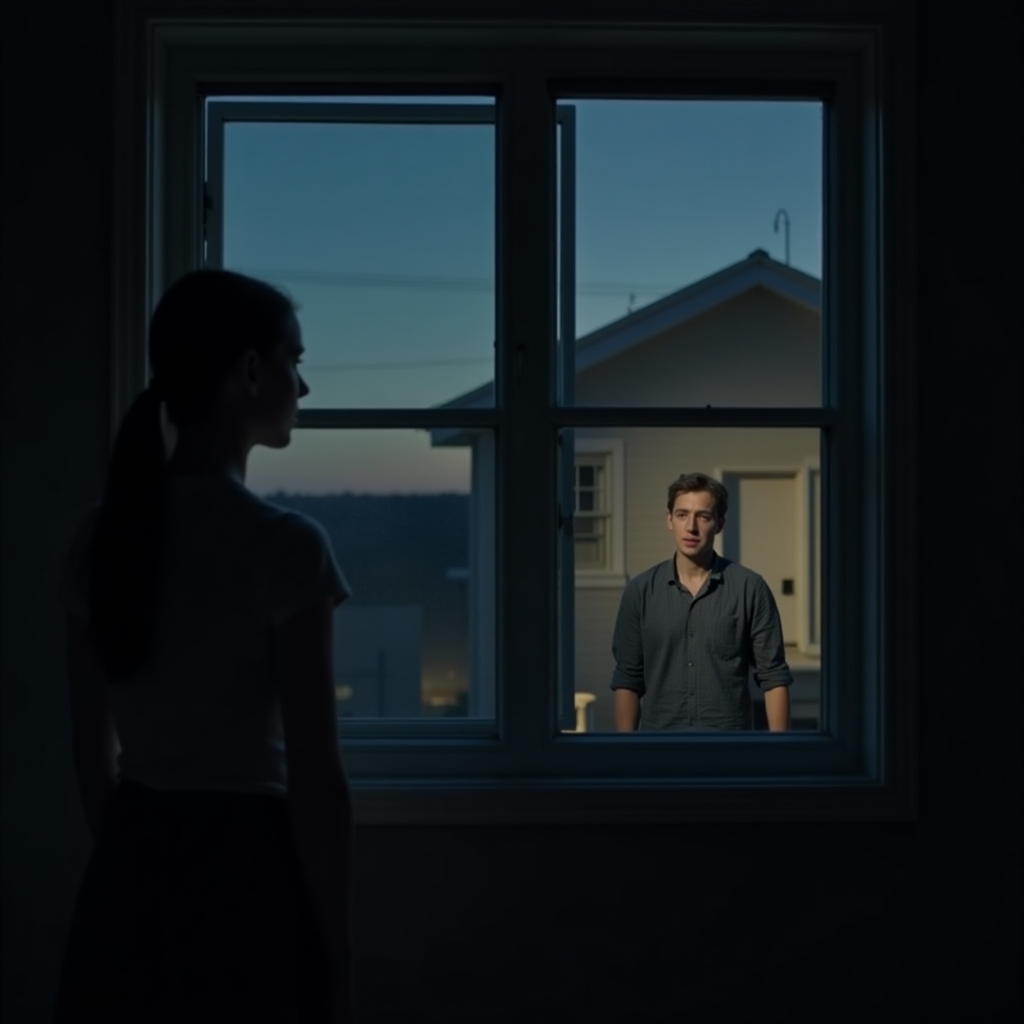
Driven by a need for answers, Emma began to retrace Lucas’s steps. She followed him one afternoon, her heart pounding like a war drum. He didn’t go to work, nor did he meet with Mark. Instead, he slipped into a nondescript building at the edge of town, a place Emma had never seen before.
The truth unraveled slowly, like a frayed thread pulling free. Inside the building, through a narrow window, Emma glimpsed Lucas with a group of people, their faces shadowed and serious. It was a support group. Lucas was speaking, his voice slightly tremulous, and though Emma couldn’t hear his words, she understood the gravity of his secrets.
Lucas hadn’t been unfaithful in the way she feared. He had been hiding a burden, a struggle with anxiety and depression that he couldn’t bring himself to share. His bruises were self-inflicted, manifestations of an internal battle he fought alone.
Emma felt the ground shift beneath her, the betrayal more profound for its unexpectedness. She was filled with a rush of emotions: anger, guilt, empathy, love. Lucas’s betrayal was not one of infidelity but of concealment, of shutting her out from the part of himself that needed her most.
In the days that followed, Emma grappled with the truth. She confronted Lucas with gentle understanding, and at first, he was defensive, his armor still in place. But her kindness broke through, and he confessed, tears streaming down his face.
Emma learned to forgive not only Lucas but herself for not seeing the signs. As Lucas sought help, their relationship slowly began to heal. Trust was not easily rebuilt, but the foundation was stronger for its cracks, like a tree growing more resilient after a storm.
In this new reality, Emma realized that understanding and acceptance were the keys to true emotional resilience. The shadow of betrayal lingered, but in its place was a light of new beginnings, one they walked toward together.