
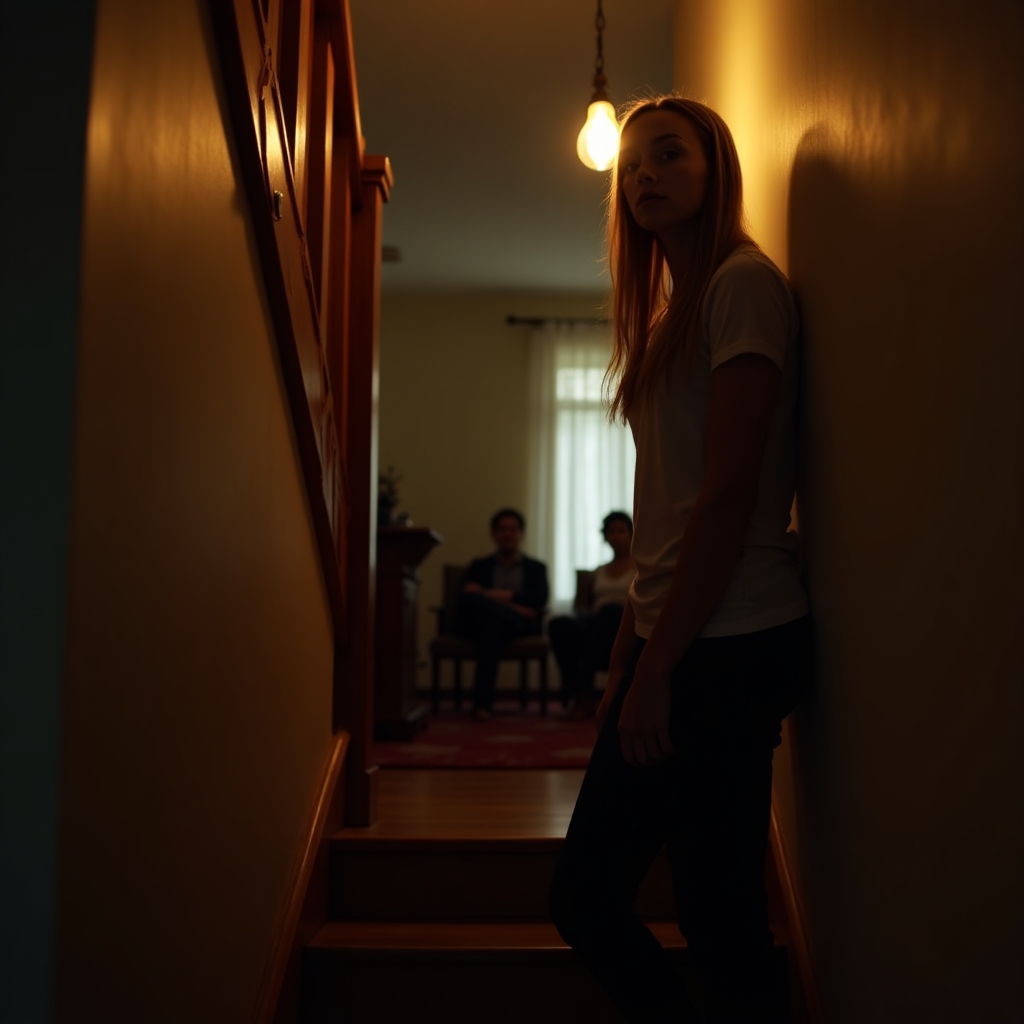


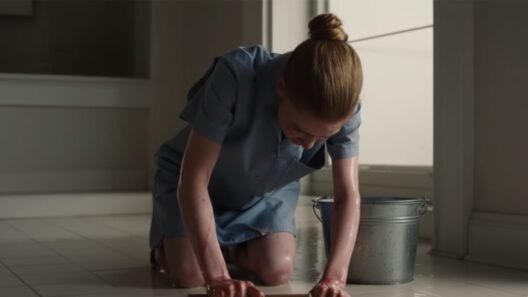

Anna awoke to the same gray light filtering through her bedroom curtains, a pale whisper of morning that did little to animate the tired walls around her. She lay still, listening to the silent house, punctuated only by the faint hum of the refrigerator from the kitchen below. It was a Sunday, meant for rest, yet she felt the familiar knot of tension in her chest—a reminder of the myriad responsibilities and expectations that awaited her.
Downstairs, she could hear her husband, Mark, clattering dishes, a sound that usually signaled impatience. Their weekends had become routine—predictable in their monotony, oppressive in their unspoken demands. Mark would often comment on how she spent her time, suggesting subtly where her efforts were lacking, not in words, but in dismissive gestures and the way his eyes would flicker with something she could only describe as disappointment.
Their daughter, Emily, was already awake, her cheerful giggles echoing through the house. Anna loved Emily’s laughter; it was one of the few things that brought her genuine joy. She found herself lingering in bed, savoring those precious sounds of innocence before they became embroiled in the day’s expected rhythms.
Anna finally rose, the cool wooden floor meeting her bare feet as she padded to the kitchen. Mark glanced up from his place at the table, a mild frown creasing his brow. “Morning,” he said, not unkindly, but with a tone that implied the day was already slipping by.
“Morning,” Anna replied, reaching for the coffee pot. As she poured, she caught a glimpse of herself in the window—her reflection in the glass, blurred and indistinct, much like her sense of self had become over the years.
“The garden needs work,” Mark mentioned, eyeing the untamed sprawl visible from the window. “It’s starting to look a bit wild out there.”
Anna nodded, a habitual response that had become second nature. She knew the garden was just another item on an endless list. She looked at Emily across the table, her daughter blissfully unaware of the silent negotiations that dictated so much of their lives.
The day unfolded predictably. Anna moved through it like a ghost, tending to chores, managing tasks, her mind elsewhere—caught in a cycle of thoughts about the person she once was and the dreams she had quietly shelved.
That evening, after tucking Emily into bed, Anna sat on the back porch. The air was cool, the night sky vast and indifferent. She sipped her tea, letting the warmth seep into her hands, anchoring her to the moment. A breeze rustled the leaves of the old oak tree, its steady presence a comforting contrast to the turmoil within her.
She thought about the stories she used to write—short tales spun from moments of beauty and grief. She hadn’t written in years, her notebooks buried beneath the weight of everyday life. There was a time when her words felt alive, a channel for her emotions and dreams. But gradually, she had let them go, convinced by the subtle insistence of others that they were unimportant.
Anna realized with a start that she missed writing, missed the connection to herself it had provided. It had been a part of her identity, a source of autonomy she had unwittingly surrendered.
The next morning, she moved with intention, her steps feeling different, deliberate. At breakfast, she watched Emily and Mark engage in the usual chatter. When Mark turned his attention to her, she felt a shift, an internal resolve.
“I’m thinking of starting to write again,” Anna said, her voice steady.
Mark paused, a fork midway to his mouth. “Oh? Where will you find the time for that?”
His words were pragmatic, but Anna noticed the underlying resistance. She took a breath, feeling the moment stretch, the air thick with potential.
“I’ll make time,” she replied simply, meeting his gaze. “It’s important to me.”
To her surprise, the world didn’t collapse. Mark merely nodded, returning to his breakfast, perhaps too preoccupied to sense the tremor in the atmosphere.
After breakfast, Anna retrieved an old notebook, its pages yellowed with neglect. She turned to a blank page, pen poised above the paper, the weight of possibility resting lightly on her shoulders.
As the ink flowed, Anna felt something within her unfurl—a quiet reclamation of self that was as liberating as a flight. The stories came, haltingly at first, then with a growing clarity and confidence, each word a defiance against years of silent acquiescence.
In the following days, the house remained the same, but Anna carried a new sense of purpose. She was still a wife, a mother, but she was also Anna—the writer, the dreamer she had always been.
The garden still looked wild, but to her, it was a beautiful kind of chaos.
Anna realized that autonomy was not a grand declaration but a collection of small, meaningful acts, each one a step closer to becoming fully herself.