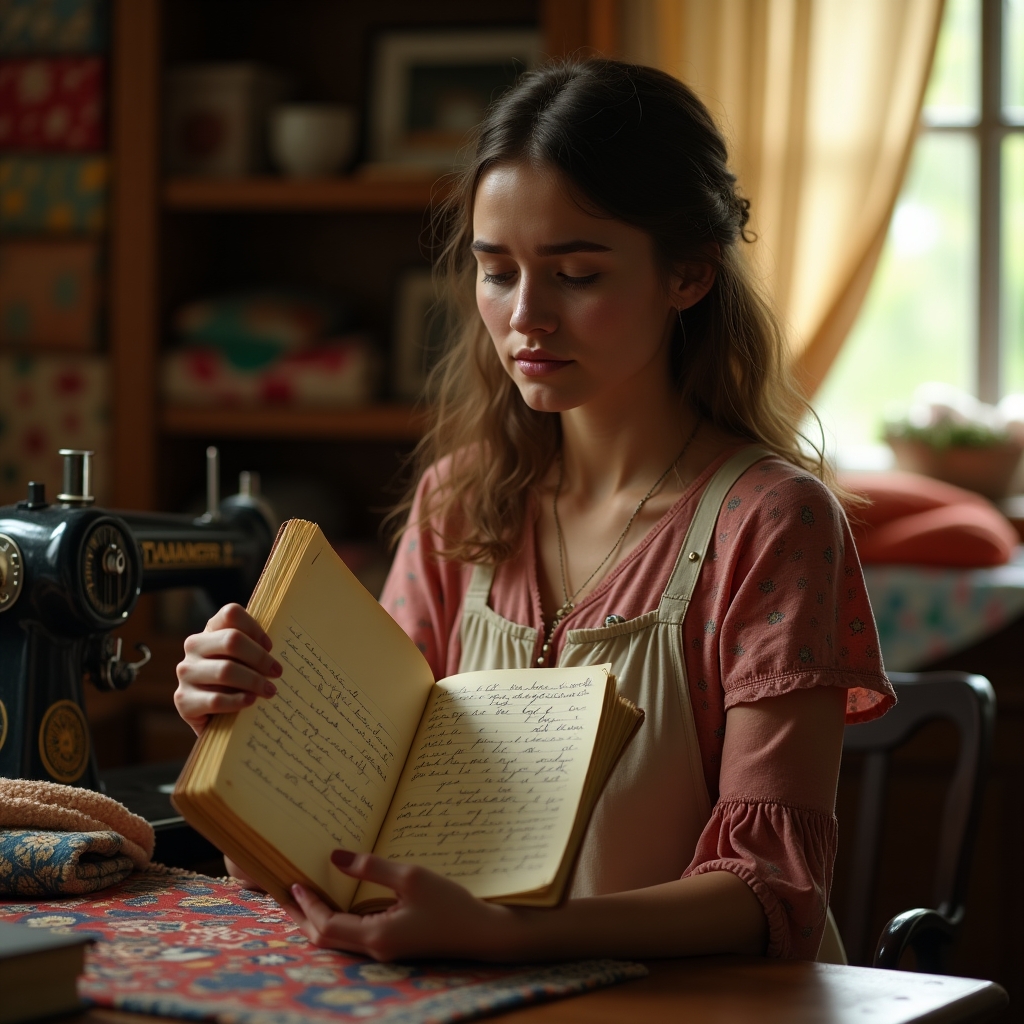




Under the warm, golden glow of a September sunset, Lina sat on the edge of her bed, tracing circles on the worn wooden floor with her toe. The room was a sanctuary of sorts, a small refuge decorated with vintage posters and stacks of books, each spine a whisper of past revolutions against convention. Outside the window, the world wore the vibrant colors of dying leaves—a reminder of change masked as decay.
Lina was twenty-three, caught in the delicate web of her own aspirations and the intricately woven demands of her family’s legacy. Her family owned one of the oldest tea houses in the town, a place where generations gathered, bringing with them the weight of tradition and expectation. Her parents envisioned her stepping into the role of custodian, overseeing the brew that was more than just a drink—it was a ceremonial bridge between past and present.
Yet Lina’s heart beat to a different rhythm. Her fingers longed for the keys of a piano, to create symphonies that spoke a universal language, unburdened by the constraints of familial duties. This silent sonata within her was a secret she nurtured, an ember in the depths of her soul.
The pressure to conform was more subtle than overt, manifesting in gentle reminders and conversations laced with ‘when you take over’ instead of ‘if you decide to.’ Her family was loving but firm, their belief in the continuity of tradition unyielding. Lina felt the tension as a constant undercurrent, a silent hum that accompanied every word, every gesture.
There were days when Lina wandered through the town, an observer in her own life. She’d pause by the music shop, fingers grazing the window where a grand piano stood, an instrument as grand and mysterious as her unspoken dreams. Sometimes she imagined her hands dancing across the keys, the notes swirling around her like autumn leaves.
Lina’s friends were aware, understanding but powerless in the face of her quiet struggle. They would sit with her in cafes, sharing laughter and stories, but there was always a moment of pause when the topic of future came up—a shared silence that spoke of things unsaid.
It was during one of these reflective evenings that Lina found herself sitting on a bench by the river, the water’s gentle flow mirroring the current of confusion within her. The air held a crispness that hinted at the coming chill of winter, and Lina wrapped her scarf tighter, seeking comfort in the soft fabric.
She watched as a child nearby played with fallen leaves, the innocence and freedom of youth stark against her own tangled emotions. A tune began to form in her mind, a gentle melody inspired by the rustling leaves, each note a conversation with herself.
As her fingers drummed a silent rhythm on the bench, Lina realized that the music inside her was more than a dream; it was her truth—a truth that had become impossible to ignore. The realization was not a bolt of sudden inspiration but a gentle awakening, like the first rays of dawn breaking through the night.
In that moment of clarity, Lina understood that asserting her truth didn’t mean abandoning her family or their legacy. It was about weaving her own melody into the grand tapestry, finding harmony between who she was expected to be and who she needed to become.
She rose from the bench, her footsteps light against the cobblestones, as if she was walking on the notes of her newfound resolve. It was time to speak, to share the music that had been confined to her heart for too long.
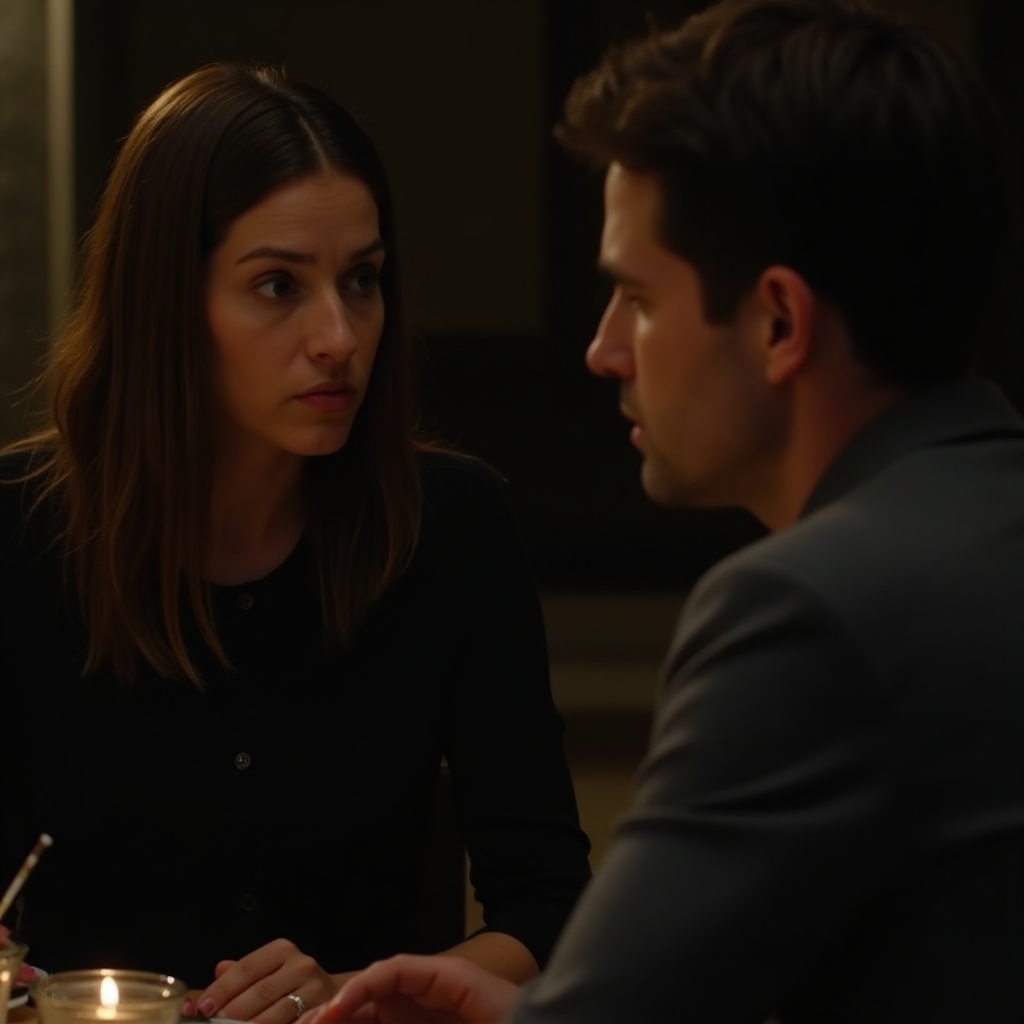
The conversation with her parents was gentle, a quiet symphony of words wrapped in emotion. Lina spoke of her love for the tea house, her respect for their traditions, and the music that moved within her like an unstoppable force. The understanding in her parents’ eyes was not immediate, but as Lina played the piano for them, the melody filled the room with a resonance that transcended words.
The music spoke of dreams, of individuality, and the timeless dance of tradition and change. As they listened, their expressions softened, the walls of expectation dissolving into a mosaic of acceptance.
Lina’s journey was not one of rebellion but of quiet revelation, a testament to the power of emotional courage in the face of generational expectations. She had not broken the chain of tradition but had woven a new link, one that sang with the richness of her heritage and the song of her soul.
As autumn turned to winter, the tea house became a place of both time-honored rituals and newfound melodies, a harmonious blend of past, present, and future. Lina had found her voice, and in doing so, had gifted her family with a new story—one that embraced change without fear.