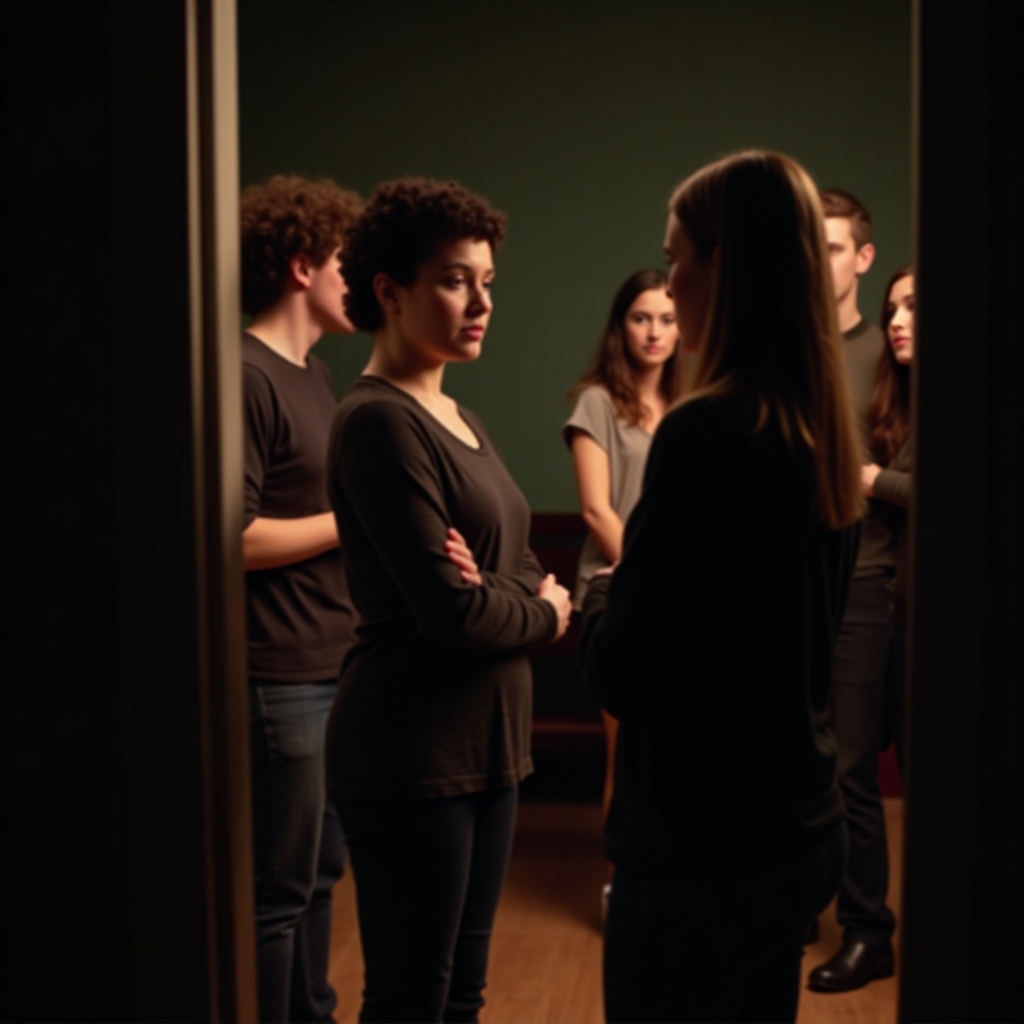



Clara had always considered herself a perceptive person. Yet, as she watched James across the breakfast table, she couldn’t quite place what was wrong. His eyes were on the newspaper, but she noticed they didn’t move. It was as though he were staring through the pages, into some other world.
“What’s on the agenda today?” she asked, trying to sound casual.
James shifted slightly, folding the paper with deliberate slowness. “Just the usual,” he replied, his voice perfectly measured.
But Clara knew better. The usual meant meetings, phone calls, the chaotic buzz of his job. Yet when she called his office around noon, his secretary mentioned he had left in a hurry after lunch.
“Some emergency,” she had said, almost apologetically. But James hadn’t mentioned any emergencies that morning.
It began with these small discrepancies. A few months back, he had come home with a slight limp and a hastily concocted story about tripping over a colleague’s bag. The next week, a jagged cut appeared on his forearm, which he explained away as a stray branch during a lunchtime walk.
Clara wanted to believe him. She needed to. Yet doubt crept in like a slow poison, turning her nights restless and her days foggy with suspicion.
One evening, as they settled into their usual spots on the couch—James with his phone, Clara with a book—she decided to test the waters. “Do you ever feel like life is leading you somewhere unexpected?” she remarked, casting him a sidelong glance.
He shrugged, not taking his eyes off the screen. “Not really,” was his tersely delivered reply.
But Clara wasn’t convinced. The way he was increasingly engrossed in his phone, the way he dismissed her with short answers—it all felt off. As if he were drifting to an unreachable place, carrying secrets he couldn’t share.
She began to notice other things: the careful way he locked his phone, the way he excused himself to the balcony for calls. The small gaps in his stories widened, no longer bridged by the warmth of their shared understanding.
A few weeks later, as their anniversary approached, Clara decided to confront her fears. It was uncharacteristically warm that October, the sun casting a golden hue over their backyard. She invited him outside, deciding that the gentle sway of the trees might soften the edges of the conversation.
“James,” she began, choosing her words carefully, “I feel like there’s something you’re not telling me.”
He stiffened, his smile dropping. “What do you mean?”
“I just… I feel a distance between us,” she pressed, hoping he would reach across that divide.
But his eyes flickered away, settling on a spot somewhere far beyond her. “Things have been hectic, Clara. You know that.”
His words were logical, but his tone was void of reassurance. Still, she nodded, not wanting to push too hard, too fast. Yet beneath her calm exterior, she was unraveling.
The following weekend, under the guise of cleaning, she searched his study. She found nothing out of the ordinary—no clandestine letters or receipts for unknown purchases. But in the bottom drawer, tucked beneath a pile of old documents, lay a small, locked journal.
She hesitated, guilt warring with her need for understanding. Ultimately, she left it untouched, hoping against hope that James would offer his truths freely.
Days turned into weeks, each one marked by the same coolness, the same rehearsed smiles. Clara’s world felt increasingly fragile, held together by the thinnest of threads.
It all came to a head one stormy night. They were supposed to have dinner with friends, but just as they were about to leave, James received a call. “I’ll catch up,” he said, slipping into the night with just a coat and his phone.
Clara pretended to leave for dinner, but returned to the house minutes later, driven by an impulse she couldn’t shake. The journal called to her like a siren. With resolve, she picked the lock and opened it.
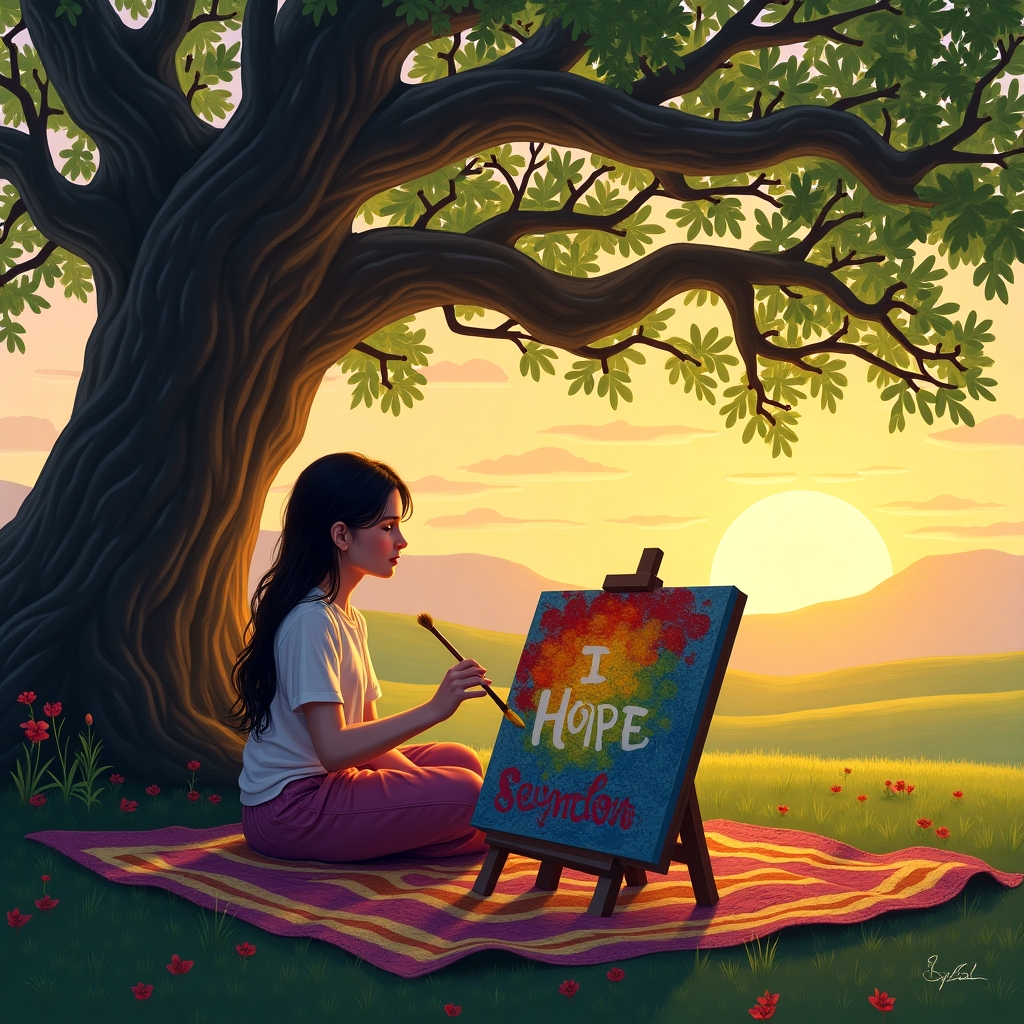
Inside, she found not words but a series of sketches—each one depicting a landscape of rolling hills and towering trees, a place she did not recognize. There were no dates, no titles, just an unending panorama that seemed to pulse with life.
The truth was revealed not through confessions or confrontations, but through this quiet, artistic expression. James wasn’t having an affair with another person; he was retreating into himself, into a world that he could control, that wouldn’t judge.
When he returned that night, soaked from the rain, she held up the open journal, her heart in her throat. “James,” she began, her voice trembling, “what is this?”
His expression softened, and for the first time in months, he looked at her with something more than guardedness. “It’s where I go,” he said simply.
And in that moment, Clara understood. It wasn’t betrayal that had kept him distant, but a need to escape the pressures and expectations of their life.
In the weeks that followed, they did not discuss the journal again, yet something had shifted. Clara started leaving small notes in the journal, commentaries on the sketches, invitations to bring his inner world into theirs.
Over time, they found a new rhythm; not the same as before, but a more truthful one. Clara learned that trust wasn’t always built on transparency; sometimes, it was about accepting the unexplained and choosing to believe in what lay beneath the surface.