
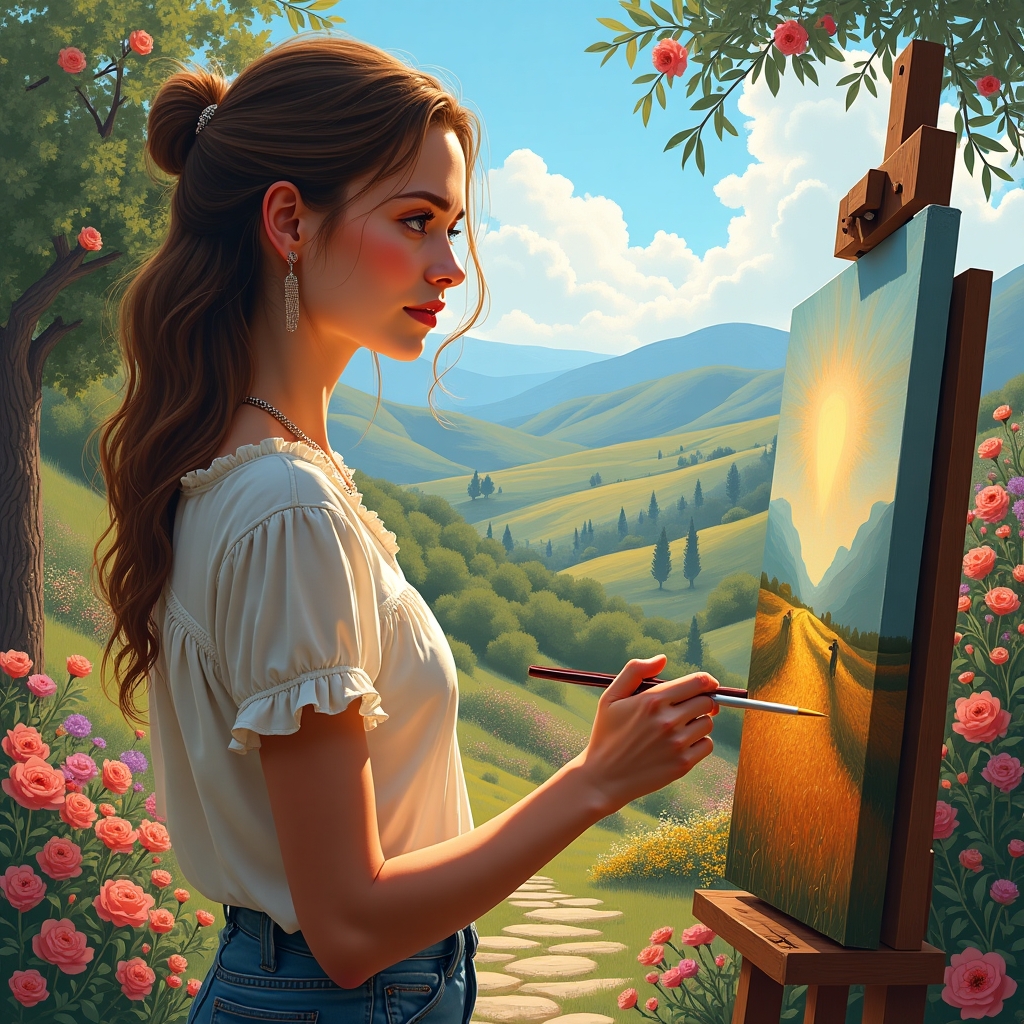
The sun hung lazily over Solina Valley, painting the late afternoon with a gentle golden hue that kissed the tops of the cypress and olive trees. Delia sat on the weathered stone bench in her grandmother’s garden, her eyes drawn to the vibrant mix of marigolds and lavender dancing in the soft breeze. The familiar scent of rosemary clung to the air, grounding her in a place that felt both like a sanctuary and a cage.
For as long as Delia could remember, the expectations of her family had loomed over her like the unyielding mountains that cradled their small village. Her parents had been clear: she was to take over the family’s olive oil business, a legacy passed down through generations, one that brought them pride and stability. Yet, in Delia’s heart, there was a quiet, insistent longing to pursue art, a whisper that grew louder with each passing day.
The village was small, insular, a place where everyone knew each other’s business. Tradition was the bedrock upon which everything was built, and deviation was met with wary eyes and hushed conversations. Delia often felt like she was living in two worlds – the one where her duty lay and the one where her passion thrived.
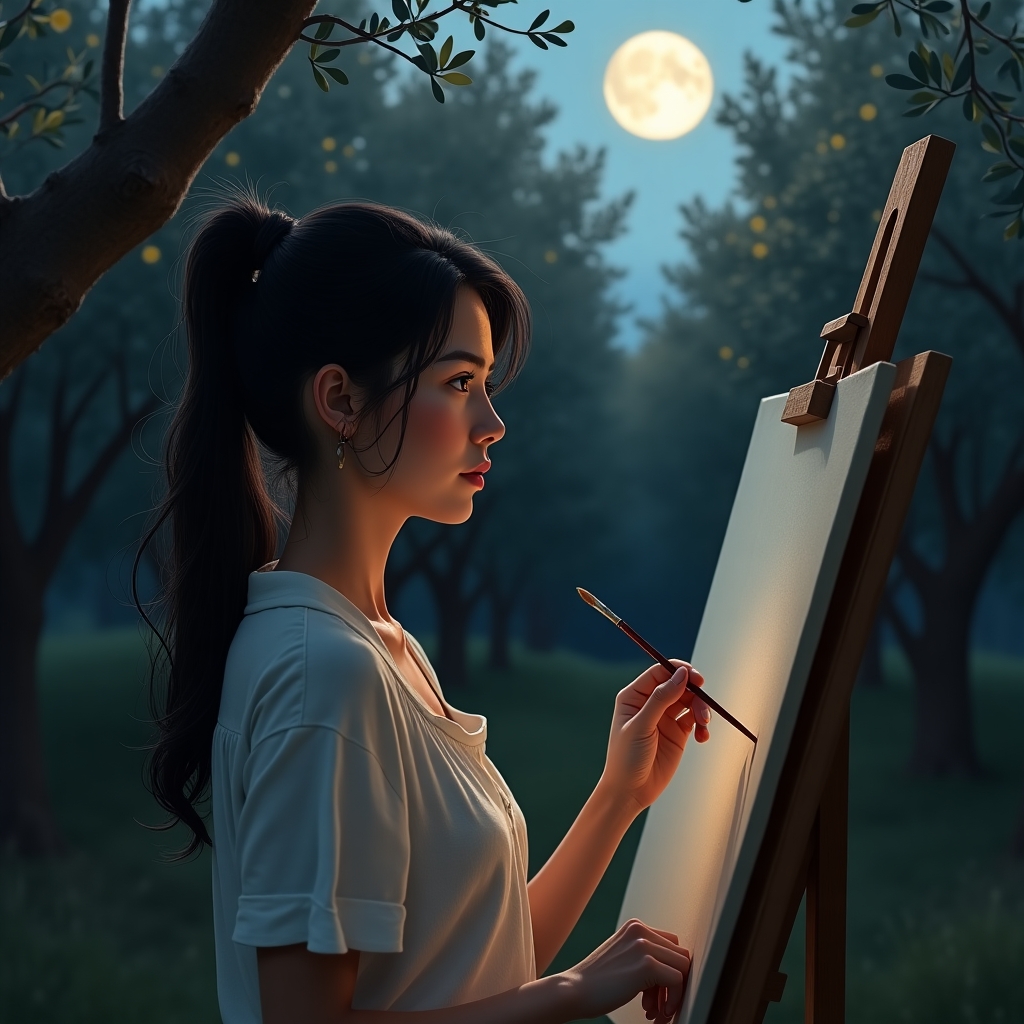
Her grandmother, Yia-Yia, was the only one who seemed to understand. Yia-Yia had not voiced her thoughts explicitly, but in the quiet evenings spent together, painting the rolling hills in shades of twilight, Delia felt her unspoken support. It was a comfort, but also a reminder of the path not taken, as Yia-Yia had once dreamed of traveling the world, a dream left unfulfilled.
Delia’s parents were steadfast in their expectations. “Family comes first,” her father would say, his voice like a heavy stone settling into place. “Our roots define us.” Her mother echoed this sentiment, her eyes filled with warmth and insistence. “You will carry on our name, our work. It’s what we’ve all done.”
The weight of those words pressed on Delia, a gentle but relentless tide eroding her resolve. She loved her family deeply, revered their sacrifices, and yet, when she sat alone with her thoughts, a watercolor brush in hand, she felt whole, complete in a way that no amount of olive harvesting could replicate.
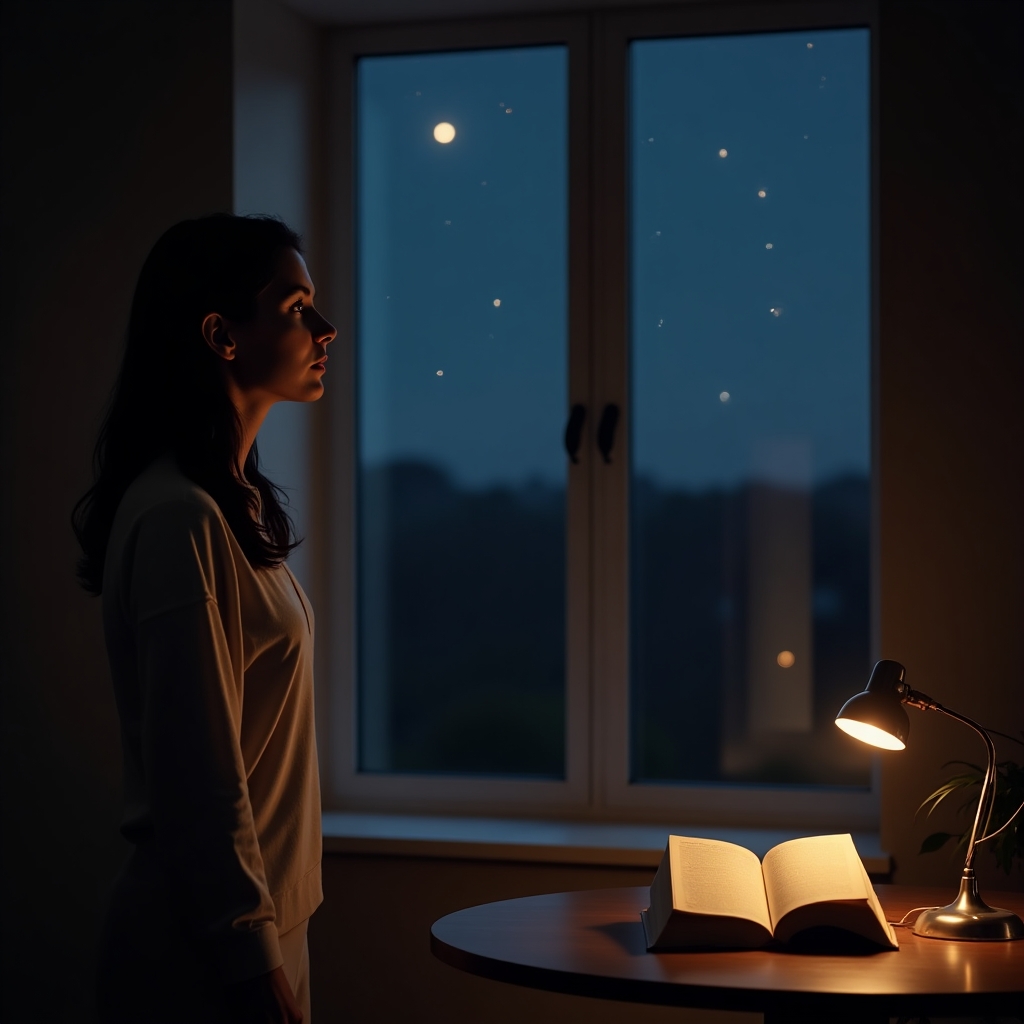
The days bled into one another, a blur of routines and traditions. Delia attended to her chores with diligence, never allowing her internal conflict to rise to the surface. But inside, the tension simmered, a quiet storm brewing beneath her calm exterior.
One evening, as dusk settled and the village began to glow in the warm light of the street lamps, Delia found herself in her grandmother’s garden again. The sky was an artist’s palette, hues of orange and purple blending seamlessly, and for a moment, she could almost hear the colors sing.
Yia-Yia joined her, a knowing smile playing on her lips. “You see the world with an artist’s eye, my Delia,” she said softly.
Delia took a deep breath, the crisp air filling her lungs. “I don’t know how to make them see,” she whispered, her voice almost lost to the wind.
Yia-Yia turned to her, her old, wise eyes sparkling with a lifetime of stories untold. “Sometimes, my dear, we must show them.”
It was a simple statement, a small push, but it was enough to tip the scales. In that moment, Delia’s vision sharpened, her path, though still clouded by uncertainty, seemed to glimmer with possibility.
In the days that followed, Delia began to paint like she had never painted before. She captured the spirit of the valley, the soul of the village, the essence of her own turmoil and dreams. She poured her heart onto the canvas, each stroke a testament to her truth.
When the time came to show her family, Delia’s heart thundered in her chest, but she stood firm, her resolve bolstered by Yia-Yia’s presence beside her. Her parents were silent as they took in the vibrant, evocative pieces – scenes of the valley, of the family, but imbued with a sense of yearning and freedom.
Her father was the first to speak, his voice gravelly. “I had no idea,” he said, a hint of wonder lacing his words.
Her mother’s eyes shimmered with unshed tears. “You’ve captured something so beautiful, Delia.” She paused, her voice trembling with emotion. “I never knew…”
Delia’s heart swelled with a mixture of fear and hope. “This is my world,” she said softly. “This is how I see, how I feel.”
There was a long silence, and it was Yia-Yia who finally broke it. “Sometimes, we must let our children lead us,” she said gently.
In that moment, as the last light of the day caressed the olive trees, Delia felt a shift within her – a quiet, profound clarity. She realized that courage didn’t always roar. Sometimes, it was the whisper at the end of the day that said, “I will try again tomorrow.”
Her parents, though still uncertain, nodded slowly. “We will find a way,” her father said.
And so, in the garden where it all began, surrounded by the legacy of family and the promise of dreams, Delia found her silent equilibrium, a balance between duty and desire.
The journey was far from over, but she was no longer alone. Her truth had been seen, her voice heard, and in that acceptance, she found the strength to move forward.