
In the quiet town of Willow Creek, nestled between rolling hills and whispering winds, lived a young woman named Elara. She was a tapestry woven with the threads of two worlds — the vivid colors of her family’s cultural heritage and the muted tones of modern expectations surrounding her. At twenty-three, life found her at a crossroads, torn between the vibrant traditions celebrated by her family and her own dreams that painted a different picture.
Elara’s family had deep roots in their heritage, a culture rich with rituals, values, and an unspoken code of unity. Her parents, both first-generation immigrants, had worked tirelessly to build a life that reflected the traditions of their homeland. They valued togetherness, community, and above all, loyalty to one’s family ethos. Her father, a stalwart supporter of the community, often spoke of legacy, while her mother practiced customs with quiet reverence, their home a sanctuary of cultural continuity.
For Elara, the clash between personal desires and cultural loyalty was a quiet storm. She had grown up with stories of ancestors who had wielded their traditions like lanterns through generations, tales that both inspired and confined her. Subtly, like the gentle currents of a river, her dreams diverged from the path her family envisioned. She yearned for autonomy, for the freedom to explore art, a field her family saw as a hobby rather than a vocation.
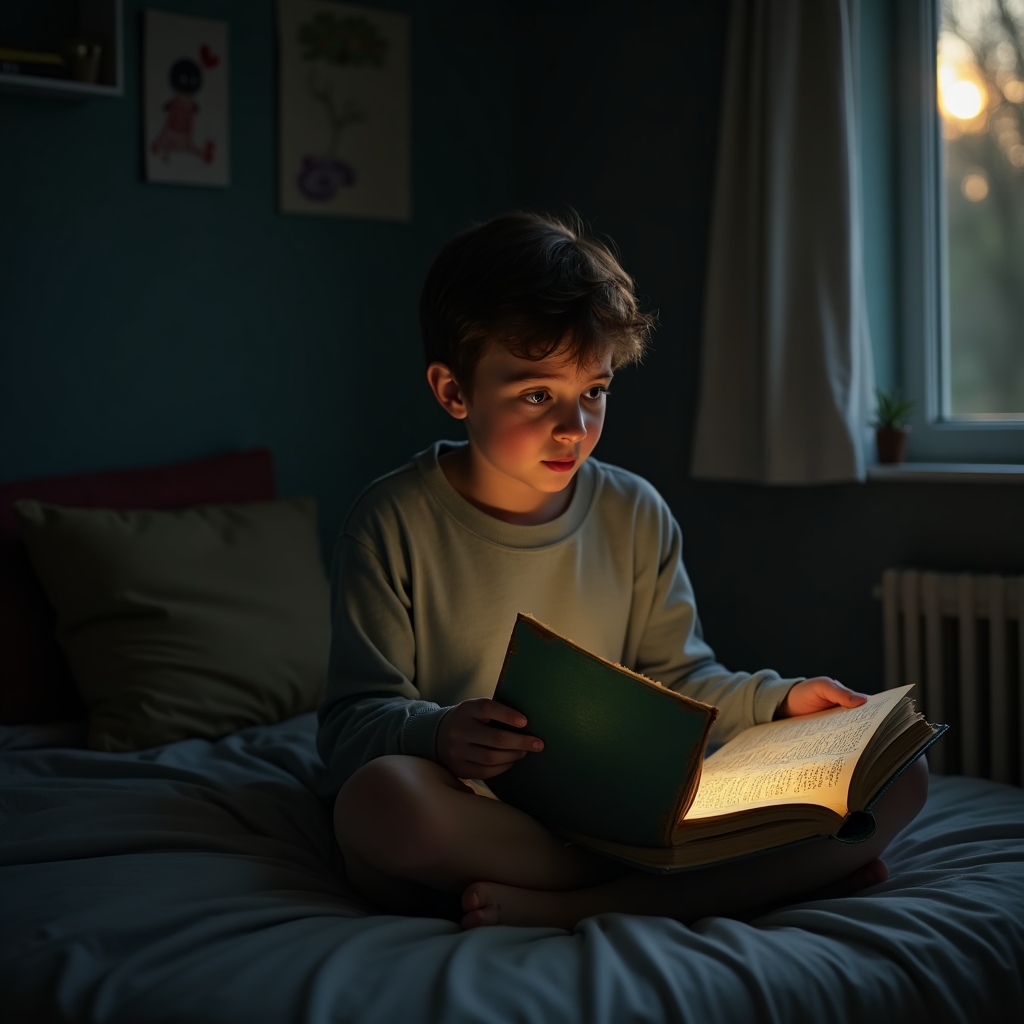
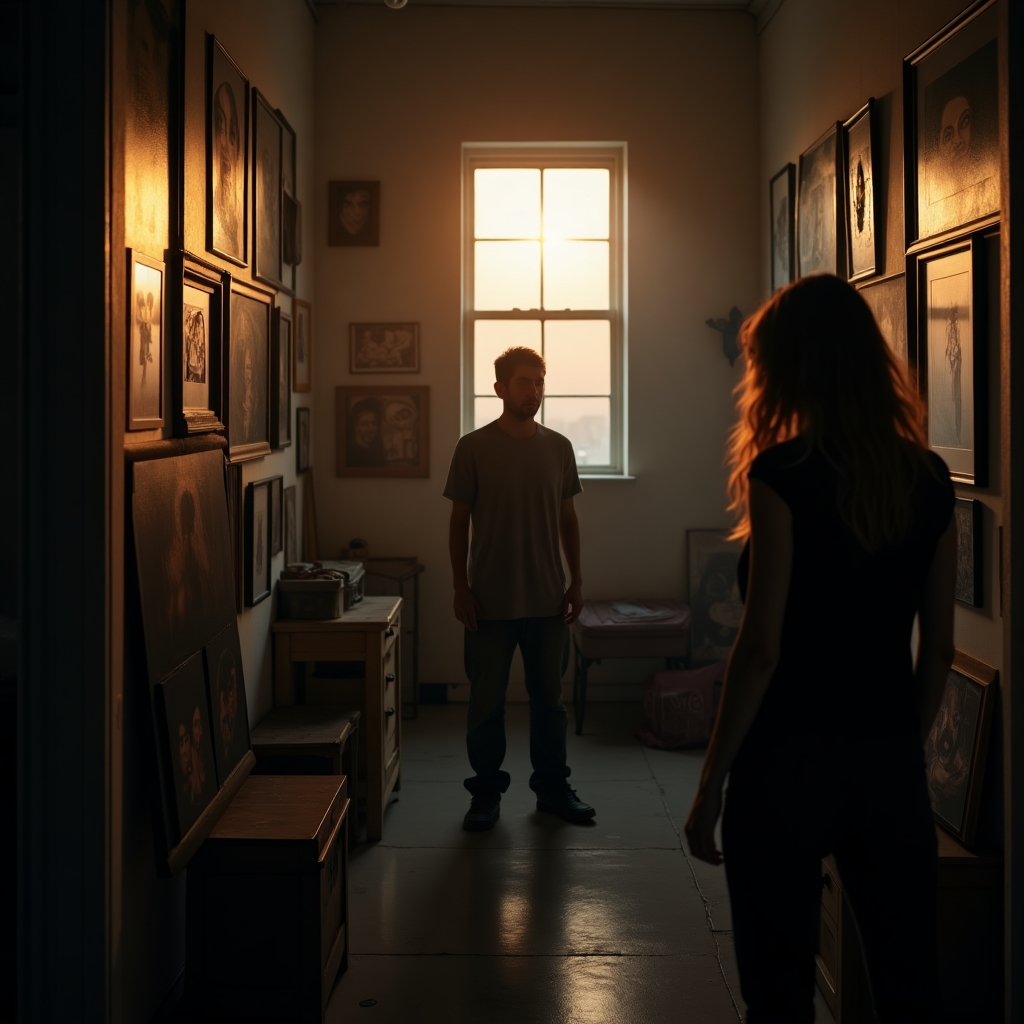
Every evening, Elara would retreat to her room, the walls adorned with her sketches — delicate lines capturing moments of tranquility, gentle strokes that spoke of her inner world. Yet, every piece she created carried the silent question: Was she betraying her heritage by wanting to chart her own course?
Her days were spent balancing dual identities, each demanding allegiance. In the mornings, she attended classes in art history, losing herself in the stories of artists who had dared to defy conventions. Afternoons were dedicated to helping her mother with the family business, where her skill in languages helped bridge gaps with customers and bind ties within the community.
The tension was never loud. It crept into her thoughts like shadows stretching at dusk, a constant companion whispering doubts and fears. Elara’s parents, though loving and supportive, held expectations that were as implicit as they were imposing. They never asked her to choose, but the weight of unvoiced hopes hung between them like an invisible barrier.
It was during a family gathering, under a canvas of twilight, that Elara found herself wrestling with her conscience. As laughter mingled with the aroma of spices, she watched her cousins — some adhering to tradition, others quietly rebelling. The gathering was a symphony of shared history and individual dreams, every conversation a note in the melody that played through her mind.
Her Aunt Zara, a confidante and a bridge between generations, approached with a knowing smile. “Your art, Elara, it speaks of freedom,” she said softly, her voice a gentle caress against the evening air. “Do not let fear bind your wings.”
Those words lingered with Elara, a spark that ignited the simmering consciousness within her. That night, she lay awake, staring at the ceiling, her thoughts a kaleidoscope of colors and emotions. She realized that her struggle was not about choosing one over the other, but about finding a way to honor both parts of her identity.
In the days that followed, Elara began to weave her art with the threads of her heritage, creating pieces that celebrated her roots while speaking to her soul. She incorporated the stories and symbols of her culture into her work, each piece a testament to her journey.
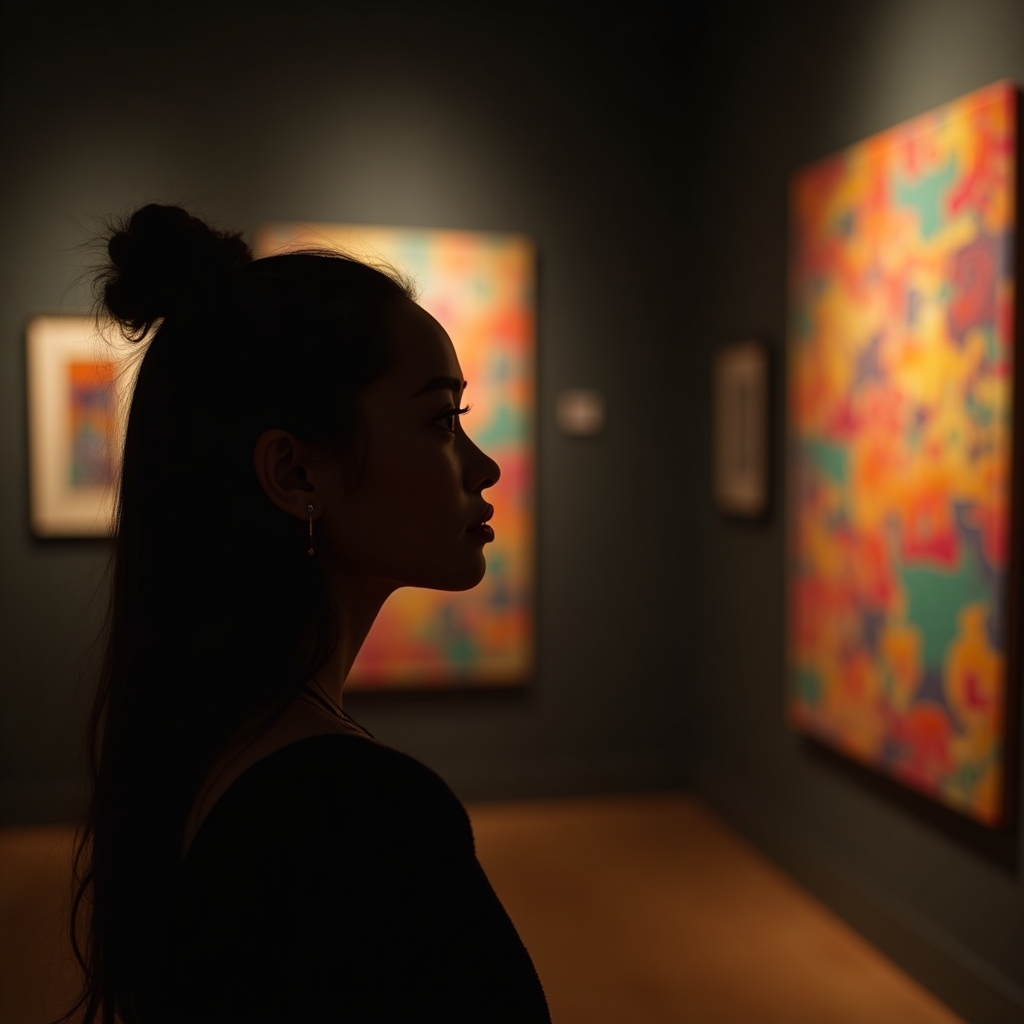
The moment of emotional clarity arrived quietly, during an art exhibit she had organized at the local community center. As people admired her work, Elara watched her parents from a distance. They stood before a painting that melded tradition with personal expression, their faces reflecting a silent understanding.
Her father approached her, his gaze soft but unwavering. “Elara, we have always wanted you to be happy,” he said, his voice carrying the weight of years and unspoken dreams. “Your art, it is a part of you, and in it, we see a part of us.”
In that moment, Elara felt a bridge form, ephemeral yet solid, spanning the gap between her worlds. The quiet struggle, the fear of disappointment, faded into the background. She realized she did not have to forsake one for the other, that her journey was not about rebellion but about synthesis.
The silent storm within her stilled, leaving behind a sense of peace as she stood in the midst of her family and community, her heart a harmonious blend of loyalty and self-expression.