


Emma stood at the kitchen sink, the autumn sun casting long shadows across the floor. The maple trees outside rustled in the wind, a symphony of whispers that matched her quiet thoughts. She rinsed the dishes slowly, feeling the warmth of the water seep into her fingers, a rare moment of comfort amidst the coldness she felt inside.
The house was still, as it often was now. Her husband, David, was at work and her teenage son, Alex, was in his room, headphones on, lost in a world of his own. The silence was both a solace and a reminder of the life she had crafted over the years—a life carefully constructed to avoid waves, to maintain peace at all costs.
“Mom, can I go to Jake’s tonight?” Alex’s voice cut through her thoughts. He appeared in the doorway, a lanky silhouette against the bright hallway.
“Do you have homework done?” Emma asked, knowing the question was more routine than genuine. She had long stopped enforcing the little rules, knowing they resulted in the same pattern of conflicts.
“Yeah, it’s done,” he replied, a hint of impatience in his tone.
“Okay then,” she said, drying her hands on a dish towel. “Be back by nine.”
Alex nodded, already half-turned away as he headed back to his room, the question not so much for permission as for formal acknowledgment.
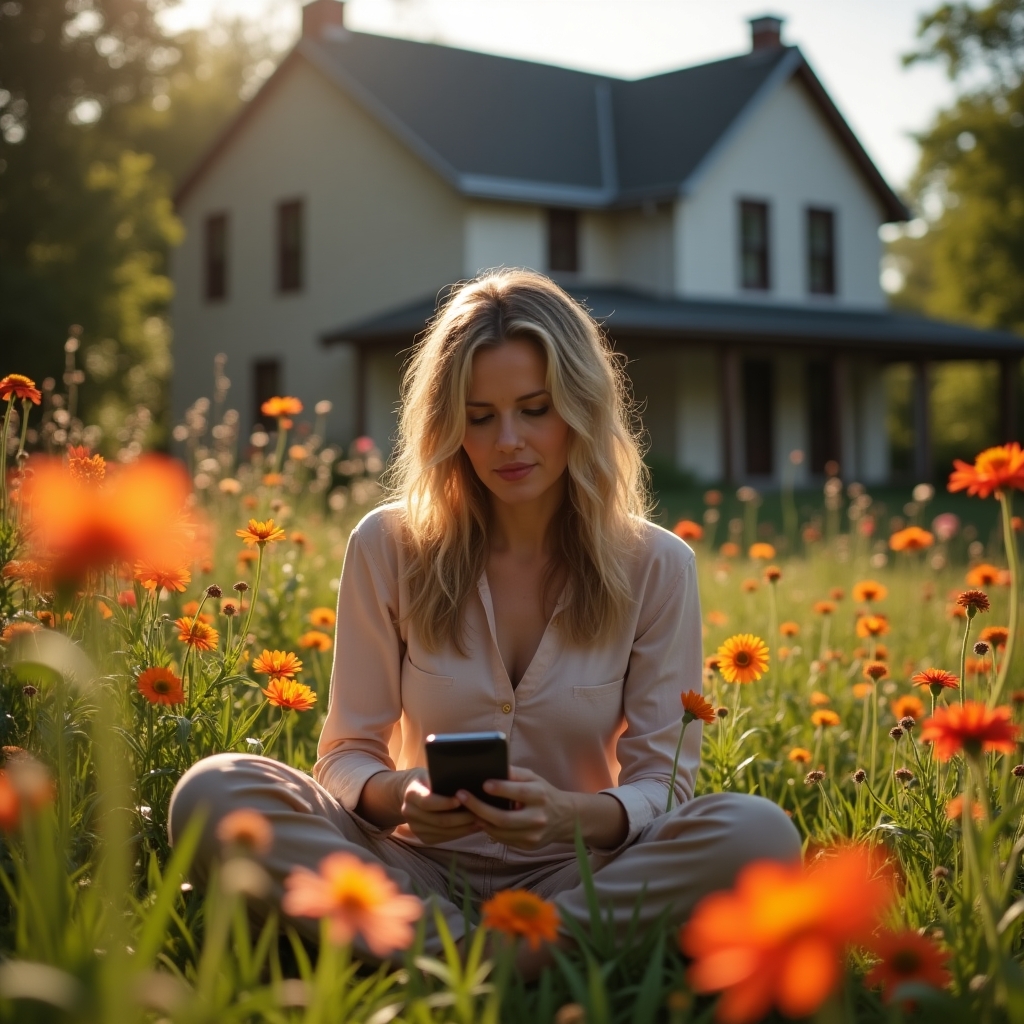
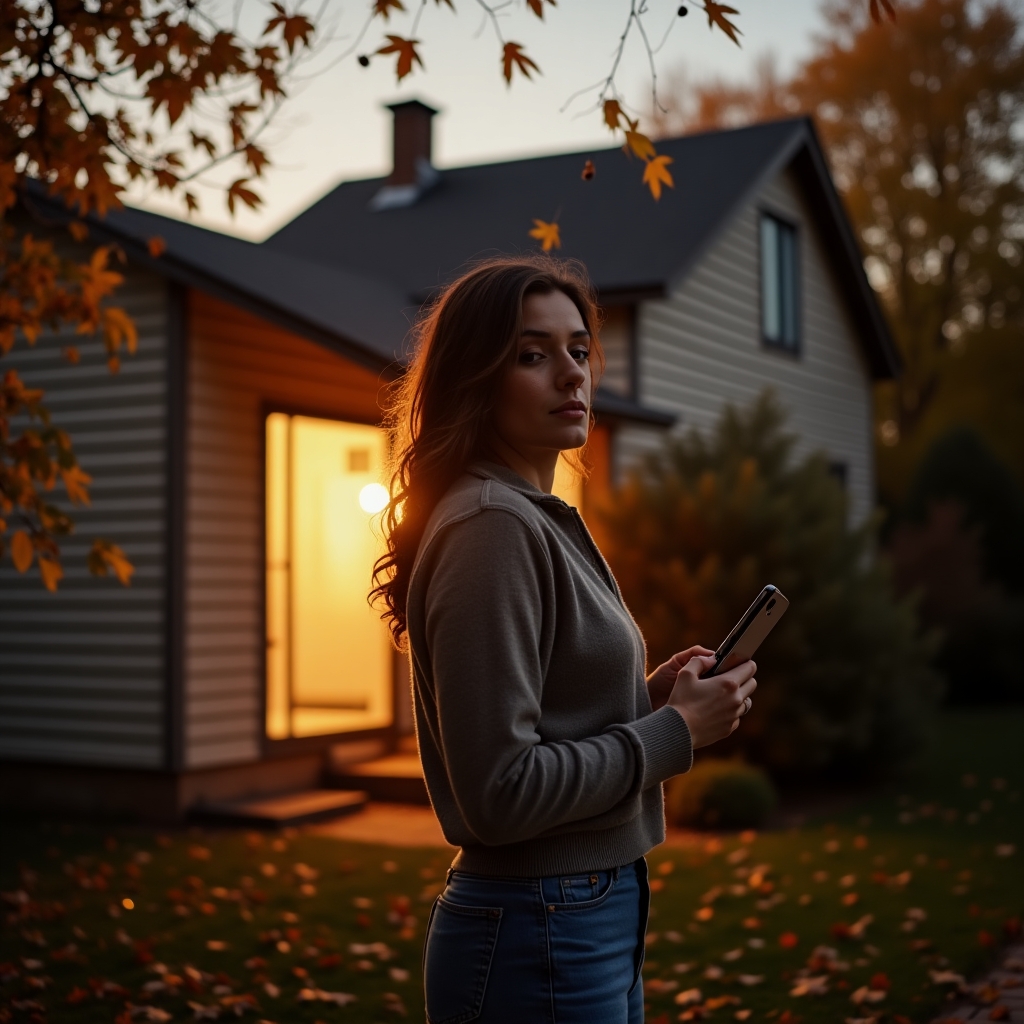
Emma sighed and looked out the window again. The wind was picking up, scattering leaves across the yard. It reminded her of the emails in her inbox—messages from her mother, her sister, each with an undercurrent of expectations disguised as concern.
“Emma, we haven’t seen you at the church luncheon in weeks,” her mother’s email read. “You know people talk.”
And her sister: “You should really think about what Mom said. It’s important for the family.”
This was her life—a series of quiet demands and veiled criticisms that had woven a tapestry of emotional suppression, each thread a reminder of who she was supposed to be, rather than who she wished to be.
She had been a good wife, a good mother, a good daughter—always good, always quiet, until the goodness felt like a cage.
A knock at the door startled her out of her reverie. It was Judith, her neighbor, and one of the few people who knew of Emma’s quiet struggles.
“Hi, Emma,” Judith said with a warm smile, her arms wrapped around a basket of apples from her garden. “Thought you could use some of these.”
“Thanks, Judith,” Emma replied, opening the door wider for her friend.
They chatted over tea, the conversation light and undemanding. But there was an unspoken understanding between them; Judith had once been in a similar place, and Emma knew her friend’s journey to independence had not been easy.
“You know, Emma,” Judith said gently, “we’ve all noticed how much you’ve done for the family. Maybe it’s time to think about what you want.”
Emma nodded, though the thought seemed distant, almost foreign. She had spent so long prioritizing others that her own desires felt like whispers in a storm.
But that night, as she lay in bed, David’s steady breathing beside her, Emma found herself unable to sleep. She thought of Judith’s words, of the relentless emails, of the life she yearned to reclaim.
The next morning, she awoke with a sense of clarity. The world outside was bathed in golden light, the kind of light that made everything seem possible. She dressed and made her way to the local library, a place she hadn’t visited in years.
With each step, the weight on her shoulders seemed to lighten. She spent hours browsing, rediscovering old passions, letting herself imagine what a life might look like if she allowed herself to dream.
When she returned home, she found David in the living room, the newspaper spread across his lap.
“You were out early,” he remarked, without looking up.
“I went to the library,” Emma replied, her voice steady and firm.
“The library?” he said, as though she had announced she was leaving for a foreign country.
“Yes,” she said. “I think I might volunteer there.”
David raised his eyebrows, a myriad of thoughts flickering across his face. “Volunteer? What about everything here?”
For the first time, Emma felt a fire ignite within her. “I think ‘everything here’ will be just fine without me for a few hours a week,” she said, a small but determined smile on her lips.
The silence in the room was different now, charged with an understanding that things were beginning to change. It was a small step, volunteering at the library, but it was her step—a reclamation of self.
That evening, she emailed her mother and sister. Her fingers flew across the keyboard as she wrote: “I love you both, but I need to start doing things for myself. I hope you can understand that.”
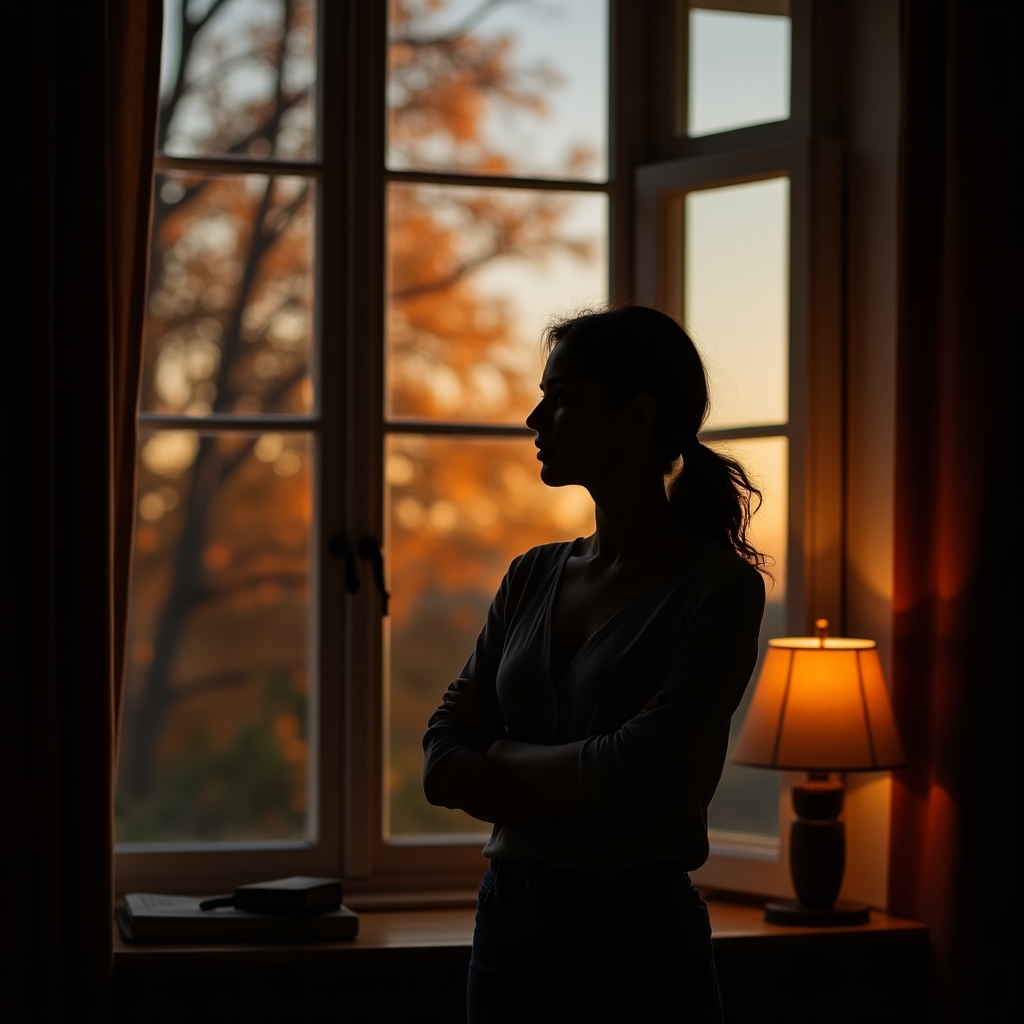
Emma closed her laptop and stood by the window once more. The trees were still, and the world felt quiet, but the silence no longer felt like a cage. It was a space where she could finally breathe, each breath a testament to newfound freedom.