
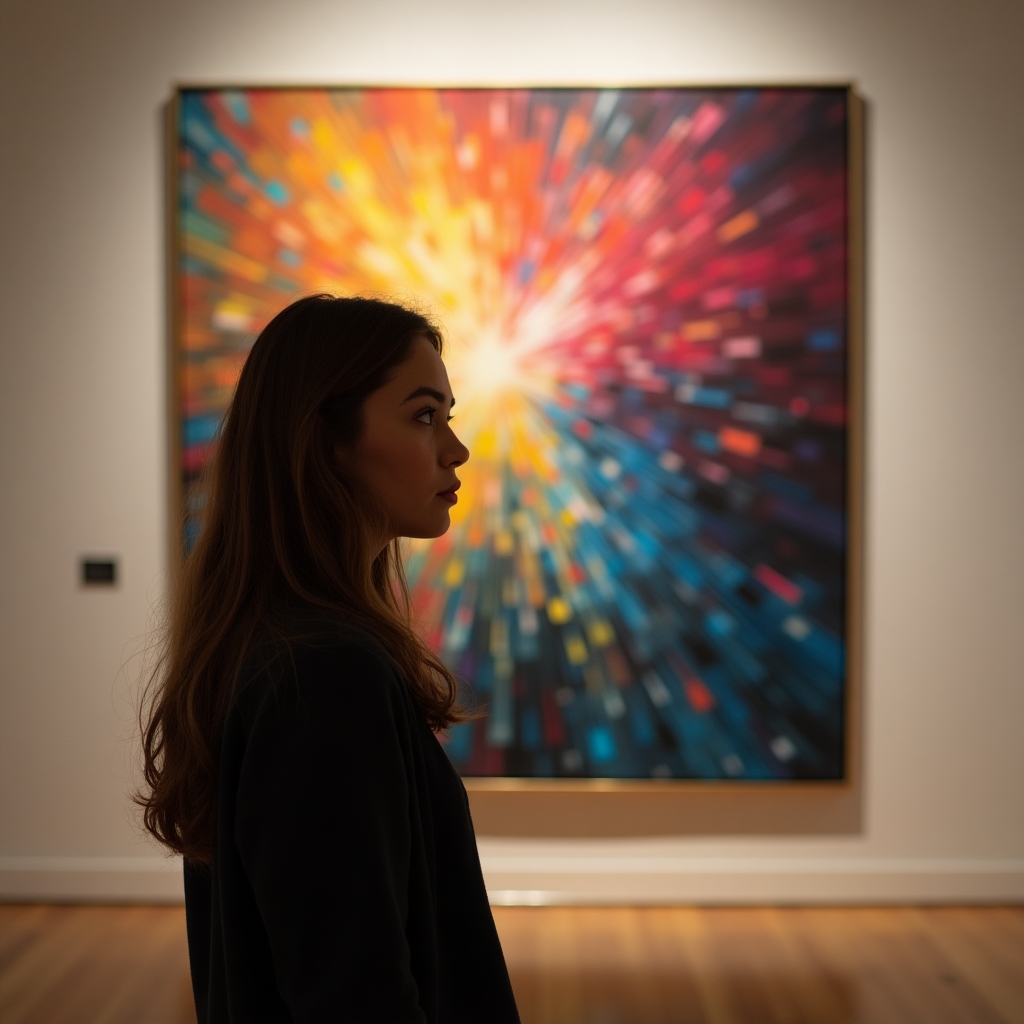
In the heart of the quiet town of Willowbrook, Carmen Santos felt like an outsider in her own skin. The town was a tapestry of traditions and familial expectations, each thread woven tightly into her life. Carmen, a 24-year-old artist, often found herself caught in the delicate balance between her dreams and the silent demands of her family.
Raised in a Hispanic household, Carmen’s upbringing was steeped in cultural values that emphasized familial loyalty and financial stability. Her parents, immigrants who had built a life from scratch, projected their fears and hopes onto her future. They envisioned Carmen as a successful accountant, a career that promised security and respect.
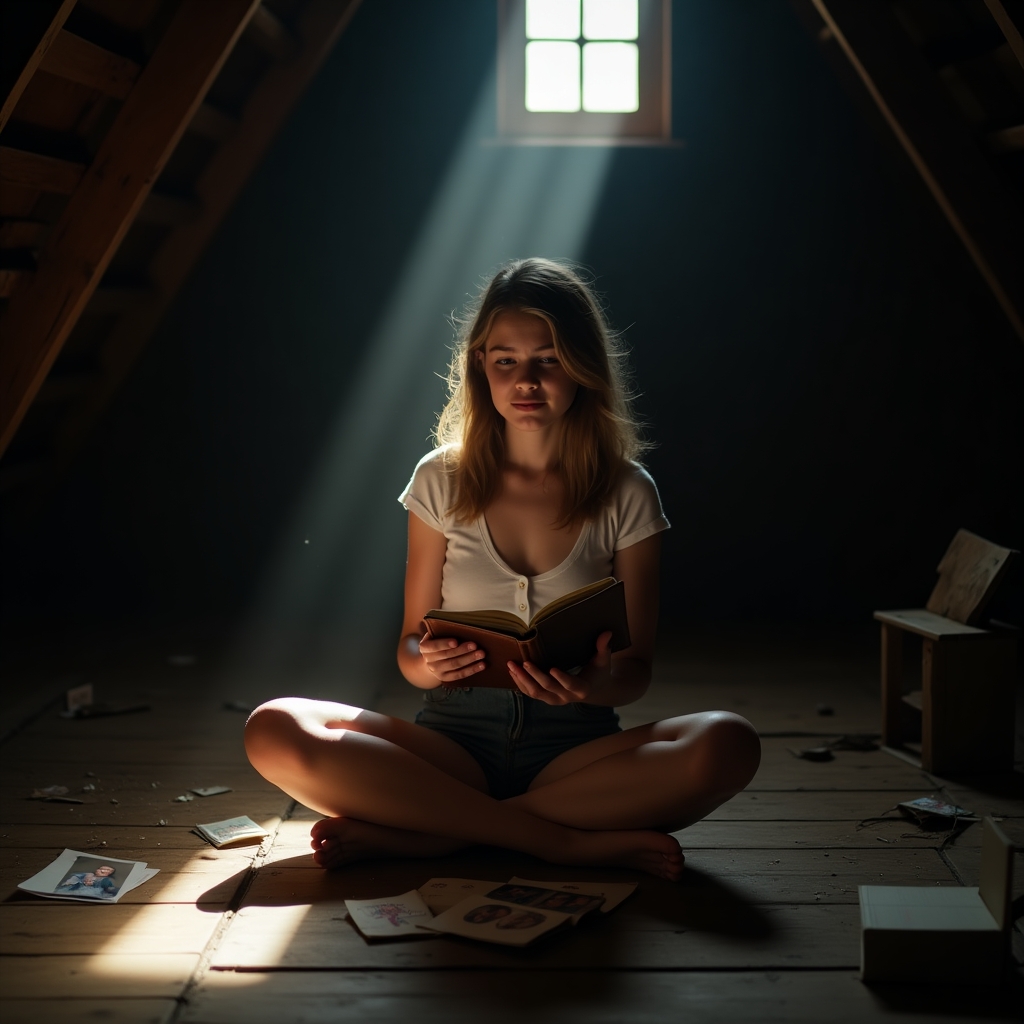
However, every day as Carmen dutifully attended her accounting classes at the local community college, her heart yearned for the freedom of her easel and paints. Each evening, she slipped into her small attic studio, losing herself in the colors and textures that felt more like home than any classroom ever had.
Her mother’s voice often echoed in her mind, “Carmen, mija, remember why we came here. Stability is everything.”
The weight of those words pressed heavily on her shoulders, a constant reminder of the sacrifices her family made. Yet, Carmen found herself painting late into the night, the vibrant strokes of her brush whispering her own dreams against the backdrop of familial duty.
Her quiet struggle went unnoticed by family and friends. To the world, Carmen was the dutiful daughter, the promising accountant, but inside, she wrestled with a growing dissonance. The psychological tension built slowly, like pressure in a still room.
Carmen’s internal battle came to a head one evening when she was invited to a gallery exhibition by her friend, Mateo. It was an eclectic display, bursting with the kind of expressive art that Carmen adored. She meandered through the gallery, each piece speaking to a part of her soul that accounting couldn’t reach.
In front of a particularly striking painting, Carmen felt something shift inside her. The painting was a chaotic blend of colors, seemingly at odds but perfectly harmonious at the same time. The artist’s note read: “To find one’s true self amidst the noise of expectations.”
Carmen’s breath caught in her throat. As she stood there, the realization dawned on her with a quiet clarity. Her family’s aspirations were important, but so were her own dreams. She could respect her roots while still embracing her passion.
That night, Carmen sat before her blank canvas, the noise of expectations quieted by the steady rhythm of her heart. For the first time, she painted without guilt, losing herself in the creation of her own narrative.
This moment of emotional clarity didn’t erase the tension but reshaped it into a newfound strength. Carmen understood that asserting her truth wouldn’t be a betrayal of her family but an act of self-acknowledgment.
As dawn approached, her painting evolved into an abstract expression of her journey—a complex blend of colors symbolizing the merging paths of duty and desire.
The following morning, Carmen faced her parents with a heart both heavy and light. She spoke of her dreams, her fears, and her love for art. She explained that her love for them was no less, even as she pursued her own path.
Her parents sat in silence, the kind of silence that stretched time. But within their eyes, Carmen caught a glimmer of understanding—a shared recognition of the courage it took to bear the weight of expectations and still choose one’s own way.
It was the start of a journey towards mutual growth and healing, a step towards bridging the gap between generations.
Carmen knew the road ahead would be challenging, but she felt a calm resolve within her. The quiet battles she fought every day were now marked by the courage to claim her own narrative, with the hope that, eventually, her family would come to see her true colors.
In the end, Carmen’s story was not one of rebellion but of quiet strength—a testament to the power of emotional clarity in the face of generational expectation. Her journey was just beginning, but she was ready, brush in hand, to paint her own path forward.