




Helen stared out of the window, watching the late afternoon sun cast long shadows over the driveway. The house was quiet, save for the faint hum of the refrigerator and the occasional chirp of a bird from the elm tree outside. She could hear Tom, her husband, moving around in the garage. The subtle clinking of tools against metal spoke of yet another project he’d start and likely leave unfinished.
Her thoughts drifted like the dust motes suspended in the sunlight. In the reflection of the window, she saw a version of herself that felt both familiar and foreign. Helen, at 42, had spent her life accommodating others, her edges worn down by the constant stream of expectations from her family and Tom. She was the fixer, the peacemaker, the arranger of other people’s lives.
When she first met Tom, his confidence had been magnetic, a beacon pulling her out of her shell. Over time, his occasional dismissive jokes about her ideas, his way of steering conversations, and his subtle control over decisions had eroded her sense of self. It was the way her family had always treated her too – her opinions considered quaint at best, irrelevant at worst.
“Helen!” Tom called, his voice booming through the open door. “Have you seen the wrench set? It’s not where I left it.”
She sighed, turning away from the window. “Did you check the shelf above the workbench?” she replied, trying to keep her voice even.
“Never mind, found it,” he answered, not bothering to acknowledge her help.
Helen turned back to the window, tracing a finger along the edge of the tablecloth. She thought of the art class brochure she had tucked away in her drawer upstairs, a small pamphlet she had picked up on a whim at the library last week. It was something she used to love – painting, losing herself in color and texture. But when she mentioned the class to Tom, he had laughed softly, dismissing it as a hobby for retirees.
The thought of picking up a brush again lingered in her mind, stirring something deep within her. It was an inkling of rebellion, a whisper that perhaps she could do something for herself for a change.
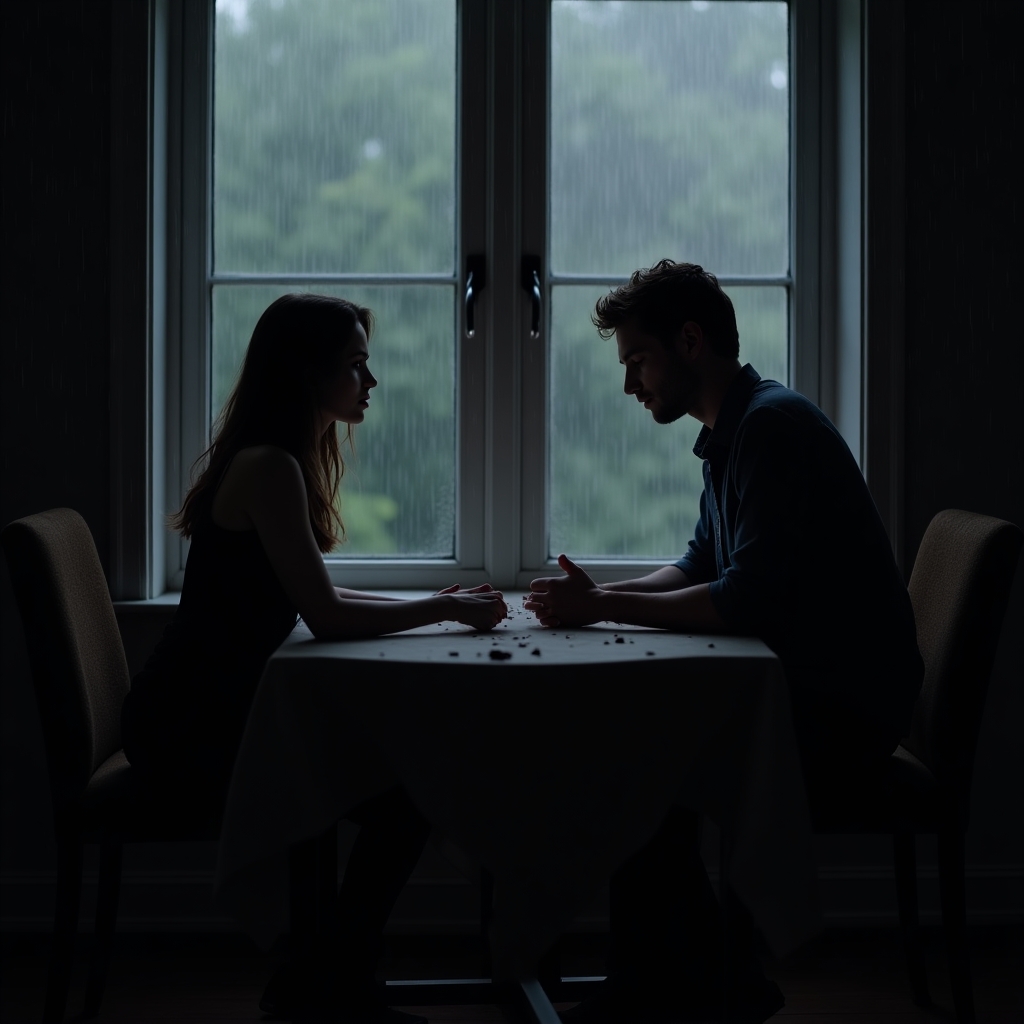
Later that evening, as they sat at the dinner table, the air was heavy with unspoken words. Tom chatted about work, the markets, the neighbor’s new car. Helen nodded and made the appropriate noises, her mind elsewhere.
“How was your day?” he asked, not really listening.
“Fine,” she replied, not really answering.
After dinner, Helen cleared the table while Tom settled into his armchair with the television remote. She washed the dishes methodically, each clink of ceramic against porcelain feeling like a small punctuation in her thoughts.
That night, as she lay in bed, the house wrapped in darkness, she turned to Tom. “I’m thinking of taking that art class,” she said, testing the waters.
He grunted, half-asleep. “Do what you want,” he mumbled, already slipping into dreams.
But for Helen, those words were a revelation. Do what you want. She repeated them silently, tasting their unfamiliarity. In the morning, as the world awoke, so did she.
She awoke before dawn, slipping out of bed carefully. The floor was cold under her feet as she tiptoed to the closet. Quietly, Helen dressed in jeans and an old t-shirt, pulling her hair back into a ponytail. She made a quick breakfast and scribbled a note to Tom: ‘Gone out for a bit. H.’
Driving down the empty streets, her heart raced with a strange mix of fear and exhilaration. The art studio was in an old brick building with large, welcoming windows. She arrived early, the first rays of sunlight glinting off the dew-sprinkled grass.
Inside, the studio smelled of paint and possibility. A kind-faced instructor greeted her, showing her to a station with brushes, canvases, and tubes of paint. Helen looked around at the other early risers. Some were young, others older than her, but all were absorbed in preparing their spaces.
For the first time in years, she felt a sense of belonging. She picked up a brush, dipping it into the bright red paint, and made her first stroke. As the color spread across the canvas, Helen felt a lightness she hadn’t known she was missing.
This wasn’t about defying Tom or her family; it was about reclaiming something personal, something that had been quietly sequestered away. Each stroke of the brush was a declaration of presence, an affirmation that her voice, her desires, mattered.
That afternoon, Helen returned home with an easel in hand. Tom glanced up from his workbench as she entered the house. “What’s that?” he asked, eyeing the easel with mild curiosity.
“It’s mine,” she replied, meeting his gaze with steady eyes. “I’m taking the art class, remember?”
Tom shrugged, turning back to his project. “As long as it makes you happy.”
And as Helen set up her new easel in the sunroom, she realized it did. It was such a small thing, this act of attending a class, but it was her choice, her decision. With every new day, she found herself looking forward to that time, lost in creation.
In those moments, she felt the quiet thrill of liberation, a slow but unfolding reclamation of self that she had long thought impossible. She was painting her way back to herself, one brushstroke at a time.