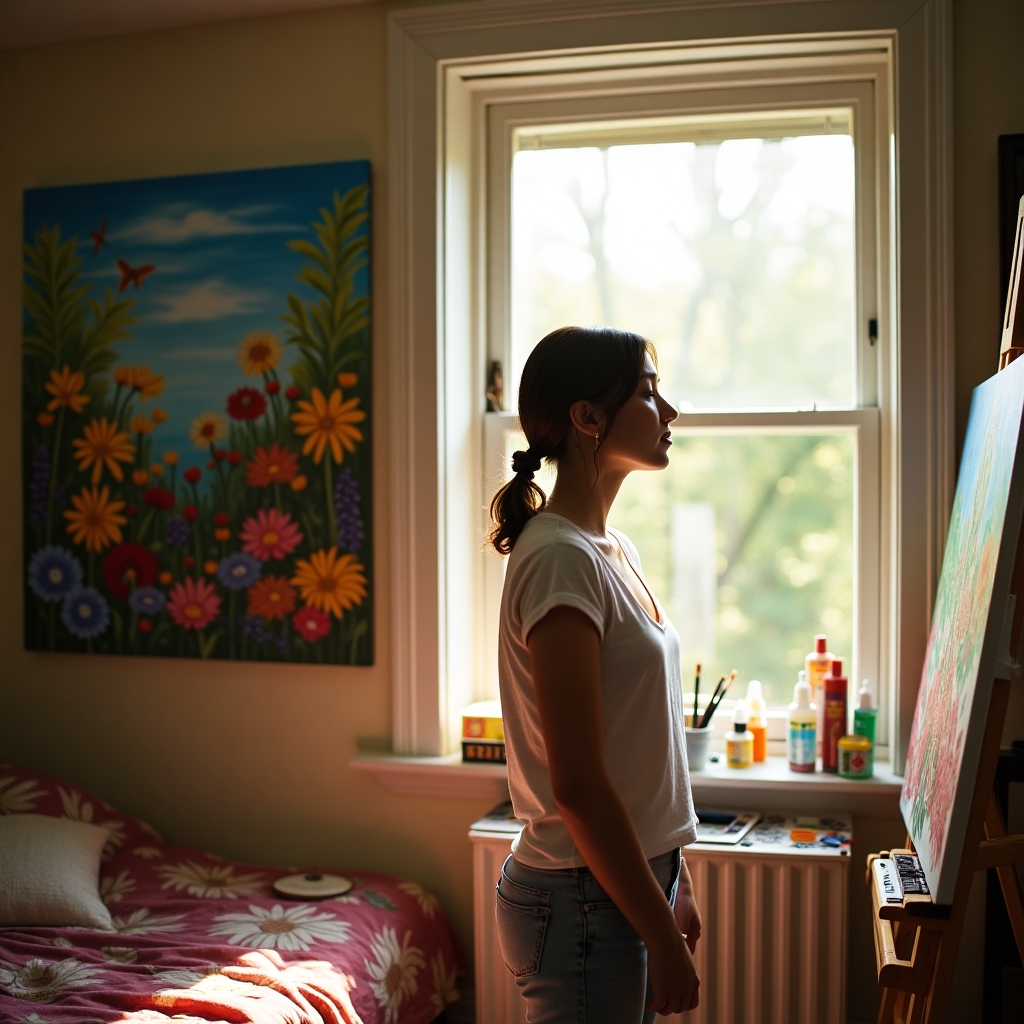


Ayla sat on the edge of her bed, the late afternoon sun filtering through the curtains, casting gentle patterns on the floor. The room was a small sanctuary, filled with books, sketches, and little artifacts that spoke of her two worlds: the vibrant culture of her family heritage and the contemporary rhythm of her own desires.
Her family had always cherished their cultural roots, with generations weaving a tapestry of traditions and expectations. Ayla loved these traditions, the way they connected her to something larger, older, and wiser. The family gatherings, the stories told by her grandparents, the multilingual songs sung during festivals were all a part of her, like ink in her veins.
Yet, as she sat there, Ayla felt the weight of expectations pressing down on her chest, a quiet pressure that had become a constant companion. She had grown adept at managing it, like balancing on a narrow beam between two cliffs. Her family expected her to follow a path laid out generations before—a journey of predictable milestones marked by academic achievement, a suitable career, and a marriage within their community.
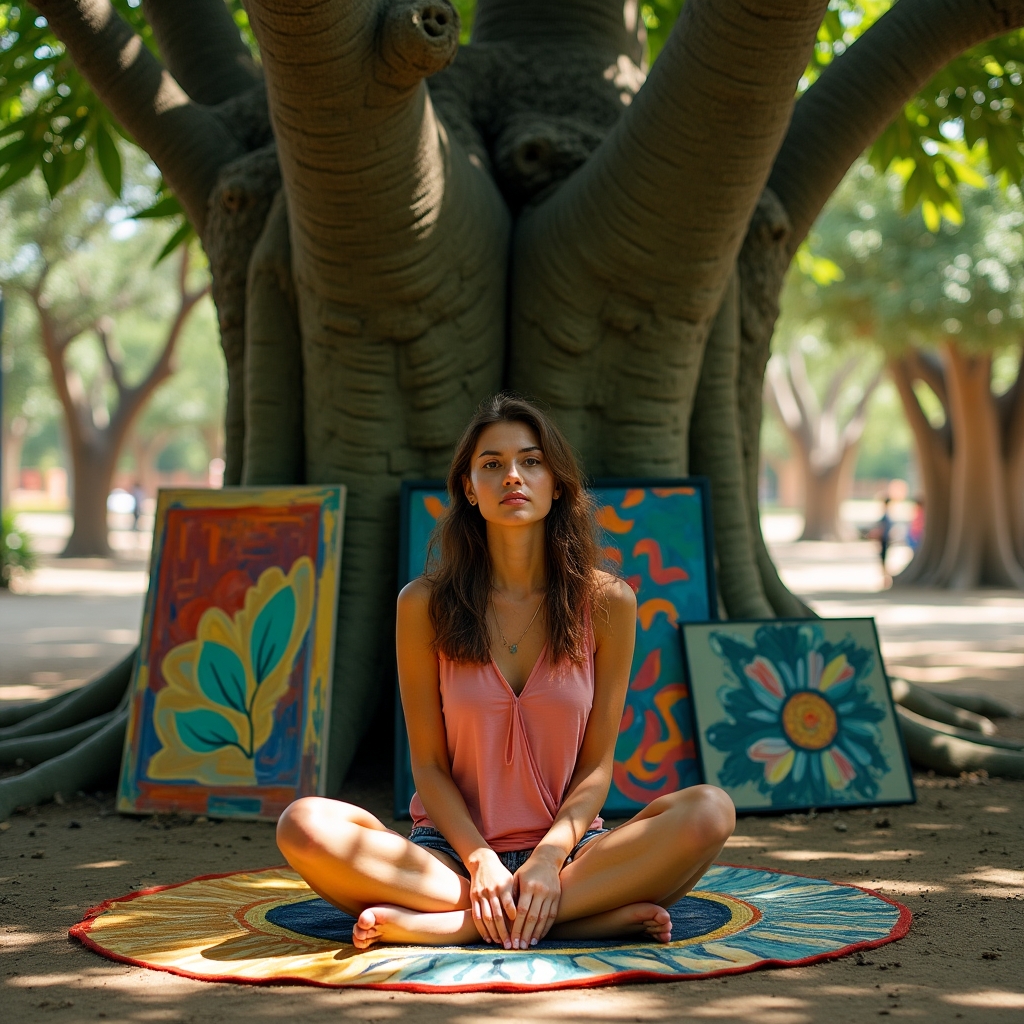
But Ayla’s heart sang a different song, one that whispered of creativity and exploration. She had always harbored a dream of becoming an artist, of using her hands and her heart to create something distinctly hers. This longing had grown quietly, like wildflowers under snow, waiting for the warmth of self-permission to bloom.
The tension between these two worlds often left Ayla feeling like an outsider in both. At family dinners, while her cousins discussed their academic pursuits and future ambitions that aligned with their parents’ dreams, Ayla found herself silent, her mind wandering to the colors she wished to paint with and the stories she yearned to tell through her art.
Her parents, while loving and supportive, were deeply bound to their heritage. They saw Ayla’s artistic aspirations as a hobby, something to indulge in before real life began. They spoke of security and stability, of a path that guaranteed safety—echoes of a past where such choices were not just expected but necessary.
Ayla tried to understand their perspective, respecting the battles they fought to give her the opportunities she now had. Yet, in moments of solitude, she questioned where her loyalties should lie: with her family’s wishes or with the quiet, insistent call of her own dreams. Her heart ached with the fear of disappointing them, of being the first in her lineage to step off the well-trodden path.
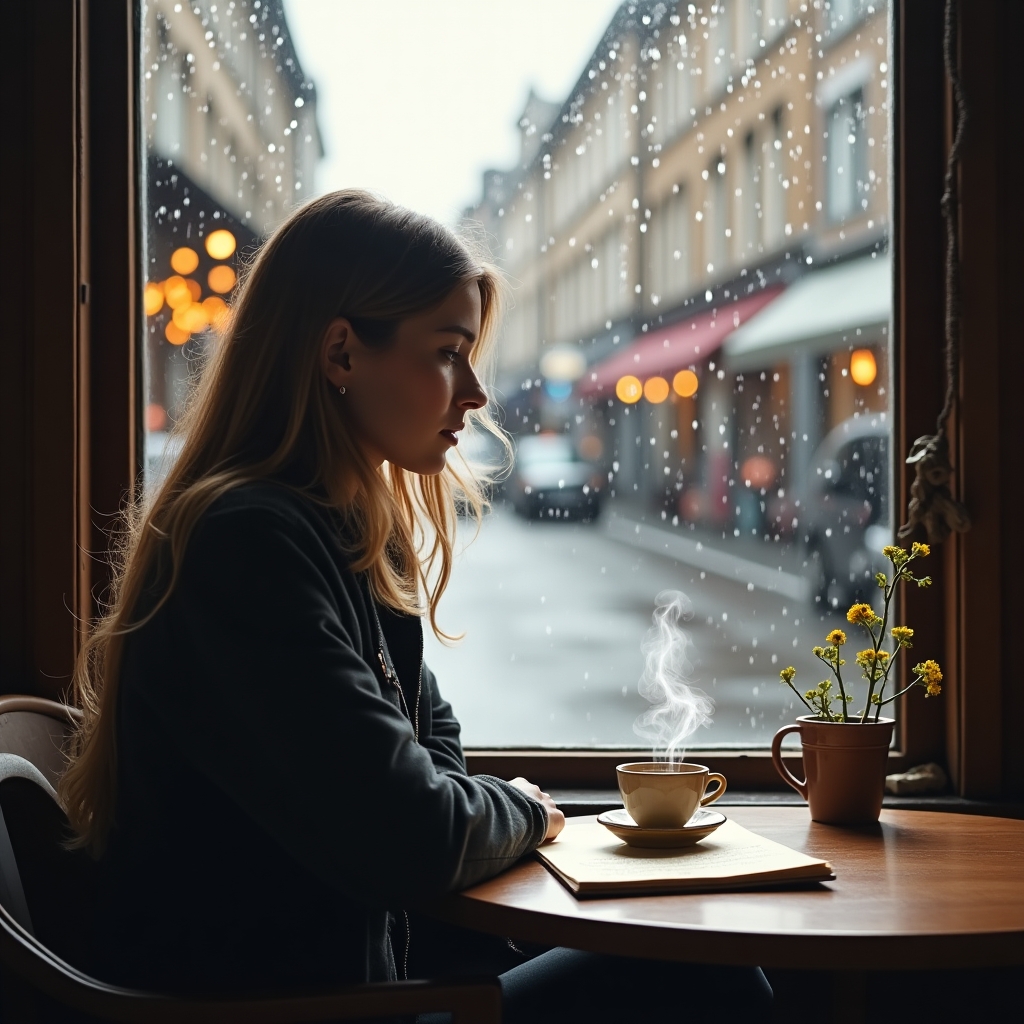
It was during a quiet afternoon in her favorite café, nestled in a corner with a sketchbook and a cup of tea, that Ayla found her moment of clarity. A gentle rain tapped against the large windows, creating a soothing rhythm that matched the beating of her heart. She watched as the raindrops raced down the glass, occasionally colliding and merging into larger droplets, a dance of nature that seemed to echo her inner conflict.
In that moment, Ayla realized that her life, like the raindrops, was a collection of moments, choices, and collisions. She saw herself not just as an extension of her family’s past but as a unique confluence of tradition and change. The realization was subtle, a warm ember igniting within her, illuminating the path she had been afraid to see.
Her decision was not about rejecting her heritage but embracing it in a way that honored both her past and her dreams. She could carry her family’s stories into her art, weaving their legacy into the new narrative she wished to create. This revelation was quiet but profound, filling her with a calm determination.
A few weeks later, Ayla sat her parents down, her heart a flurry of emotions but her resolve steady. She spoke from her heart, sharing her dreams and the importance of their support, not as a safety net but as a foundation upon which to build something new. She explained how she wished to be a bridge between worlds, connecting her artistic pursuits with the beauty of their traditions.
There was silence, a pregnant pause where Ayla feared she had disappointed them. But then, to her surprise, her parents nodded, their eyes softening with understanding. They had always wanted what was best for her, and Ayla’s courage, her quiet strength and clarity, revealed a new path they had not yet considered.
In the weeks that followed, Ayla felt a sense of liberation. Her world had not shattered; instead, it had expanded. She began to paint with renewed vigor, her studio filled with canvases that danced with colors and stories. Her art became a testament to her journey—a harmonious blend of old and new, a testament to the quiet courage it took to find her way.
Ayla’s story is one of gentleness and strength, of understanding the nuances of loyalty and the bravery required to honor one’s truth. Her journey reminds us that generational healing is not about breaking away but about weaving together the threads of past and future, creating a tapestry that celebrates both.