



On an overcast afternoon, the sky hung like a grey velvet drape over the small town of Harwick. Elms swayed gently to the rhythm of the breeze, their leaves whispering secrets of time as people went about their late autumn routines. The air was crisp, carrying a hint of winter’s edge.
Susan Langley, who had moved away decades earlier, found herself back in Harwick, driven by a combination of her mother’s passing and the need to close a chapter that had lingered too long in her thoughts. Her eyes scanned the streets, tracing lines of memory she thought she’d forgotten.
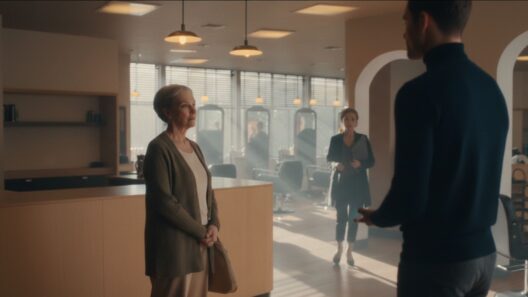
It was at a small coffee shop named The Brewshed that her past finally caught up with her. The shop was a cozy nook on the corner of Main Street, adorned with mismatched wooden chairs and tables, and a scattering of patrons absorbed in the glow of their laptops or the solace of a book.
Susan ordered a simple black coffee. As she turned, a voice she hadn’t heard in over forty years called her name, softly, as if testing its familiarity on the tongue. “Susan?” The voice belonged to Paul Becker, a figure of her youth standing there, aged like a fine wine with the subtle lines of time etched into his brow.
Paul had been her closest friend during those formative years, a confidant in a world that often felt too big and too small all at once. They had drifted apart, not due to any falling out, but the creeping inevitability of life’s separate paths.
“Paul,” she responded, her voice barely above a whisper. Surprise contorted her features, quickly replaced by a warm, albeit tentative, smile.
He suggested they sit, and they did, choosing a quiet table by the window where the world outside played like a silent film. The initial moments were marked by an awkwardness that both anticipated; the kind that comes from shared history unspoken and years unexplored.
They spoke of surface things first. Jobs, children, places they’d visited. But gradually, nostalgia crept in, unraveling stories sealed away in both their minds. The treehouse they had built in Paul’s backyard, where they’d planned adventures into worlds only children could see. The summer evenings spent by the river, dreaming of futures as sprawling and mysterious as the night sky.
As they talked, there were pauses; pockets of silence heavy with unsaid words and the weight of their own thoughts. It was Paul who finally broached what neither had dared to yet ask.
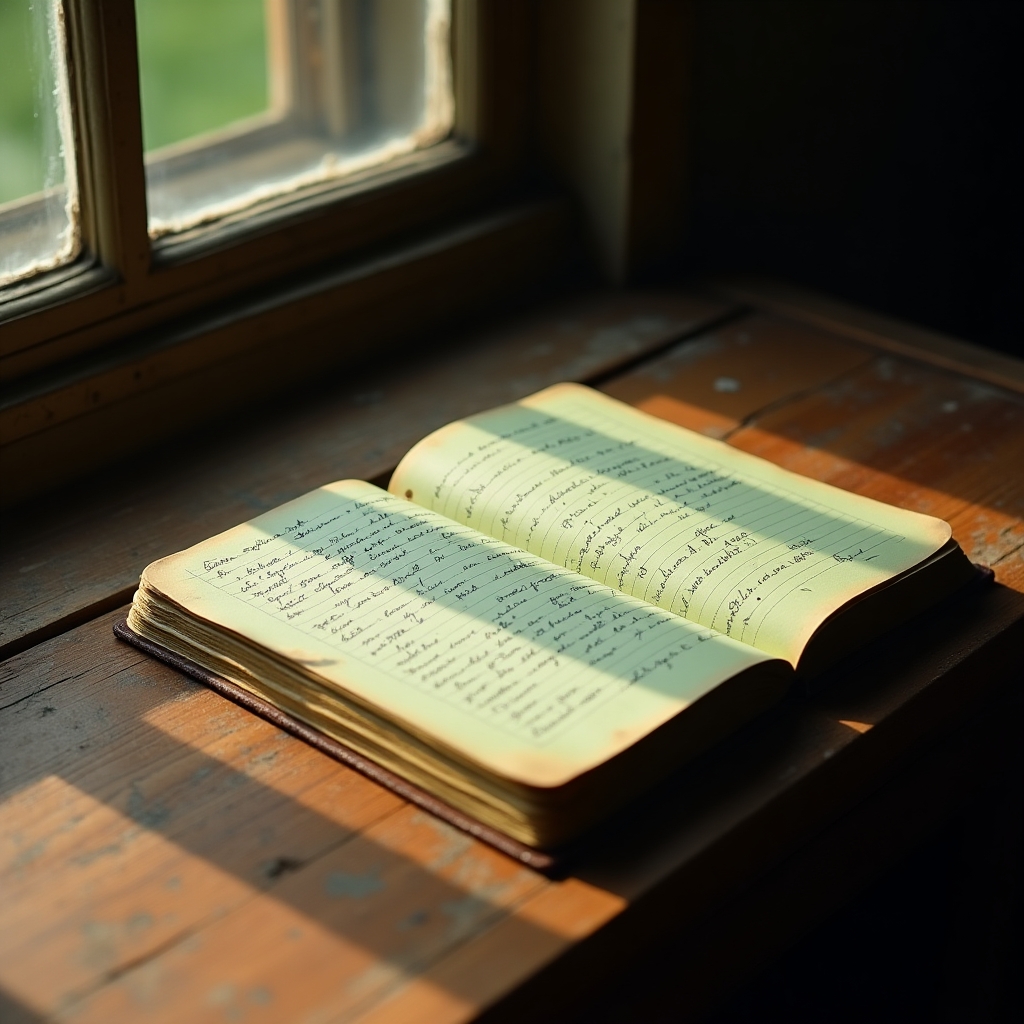
“Have you ever wondered why we stopped writing?”
Susan looked out the window. Her reflection mingled with the autumn landscape—blurred, indistinct. “I think about it often,” she admitted. “We just… slipped apart. Like we thought we had all the time in the world.”
Paul nodded, accepting this truth without bitterness. “Life has a way of… steering us, doesn’t it?”
They laughed then, a small laugh shared over the absurdity of time’s passage, a balm to soothe the ache of lost years.
The conversation drifted to more personal reflections. Susan spoke of her mother’s recent passing, the grief still raw, a wound waiting to heal. Paul listened, his empathy palpable, remembering the kindness of Susan’s mother and the warmth of her home.
“I missed her,” he said quietly, “and I missed you.”
Susan hesitated, but then reached across the table, her hand a bridge over the years of silence. “And I, you,” she confessed.
In that moment, surrounded by the gentle hum of the coffee shop, the world around them faded, leaving just two people, once lost, finding each other again amidst the noise of life.
As the afternoon waned, they exchanged numbers, promising to keep in touch. They spoke without grand gestures, but with the understanding that some connections, once rekindled, can light the way forward.
They parted with a hug, one that spoke volumes more than all the words they had shared. It was a quiet affirmation of forgiveness, of acceptance, of the life still ahead.
Walking back through the streets of Harwick, Susan felt a renewed sense of peace, feeling as if she had regained a piece of herself—a piece collected from the quiet return of an old friend.