

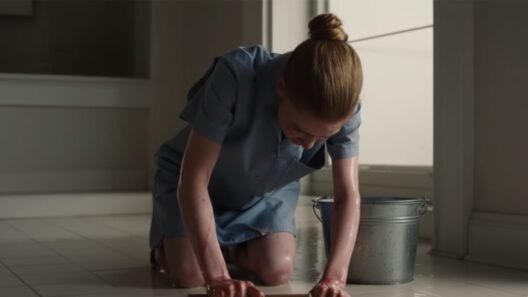

In the small town of Willow Bend, nestled between rolling hills and dense forests, lived a young woman named Emily Tran. At twenty-three, Emily found herself standing on the precipice of adulthood, yet torn between the expectations of her traditional Vietnamese family and her own burgeoning sense of self. While her family valued stability and tradition, Emily had always been drawn to the whispers of adventure and the allure of artistic expression.
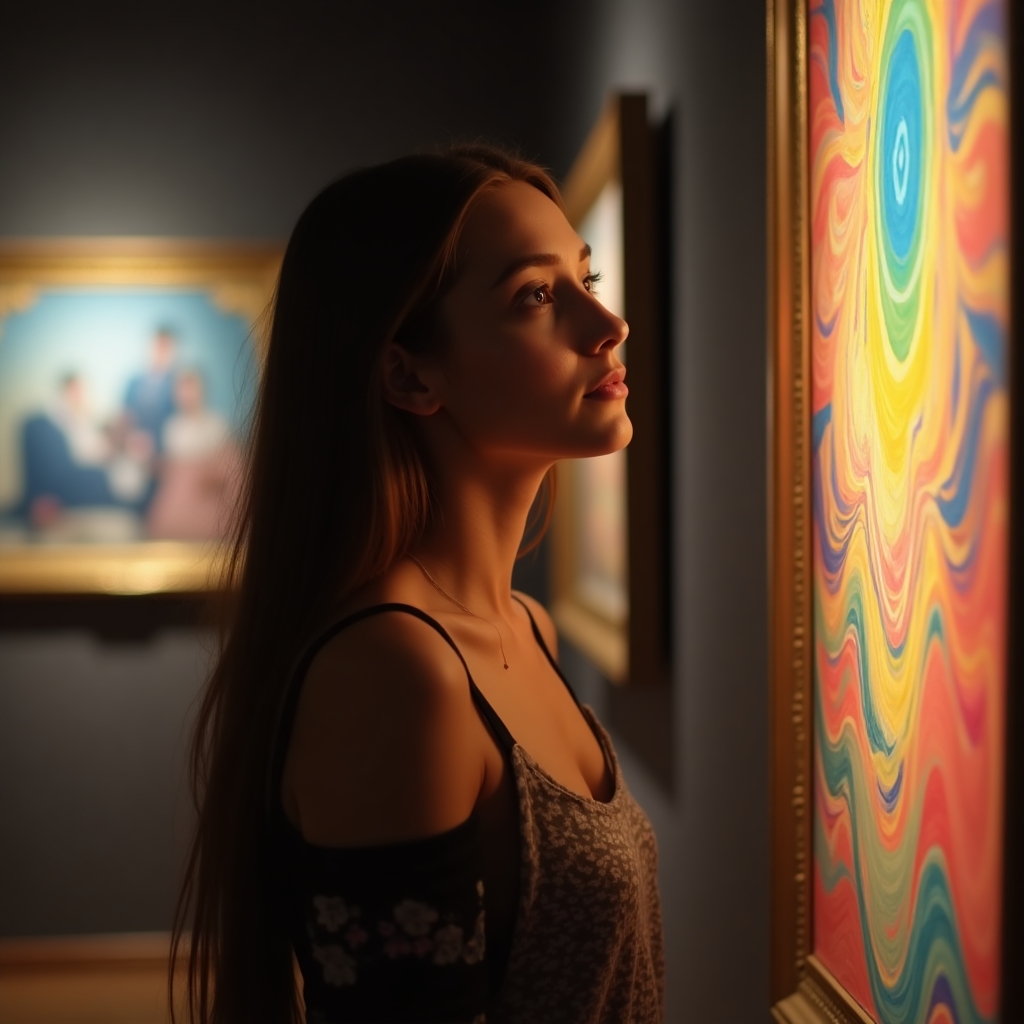
Emily’s parents, having emigrated from Vietnam in the late ’70s, had worked tirelessly to build a life for their children in America. They envisioned Emily as a doctor or an engineer—professions they equated with security and respect. However, Emily’s heart raced not for equations or medical charts, but for the passionate strokes of a paintbrush and the stories she could weave through her artwork.
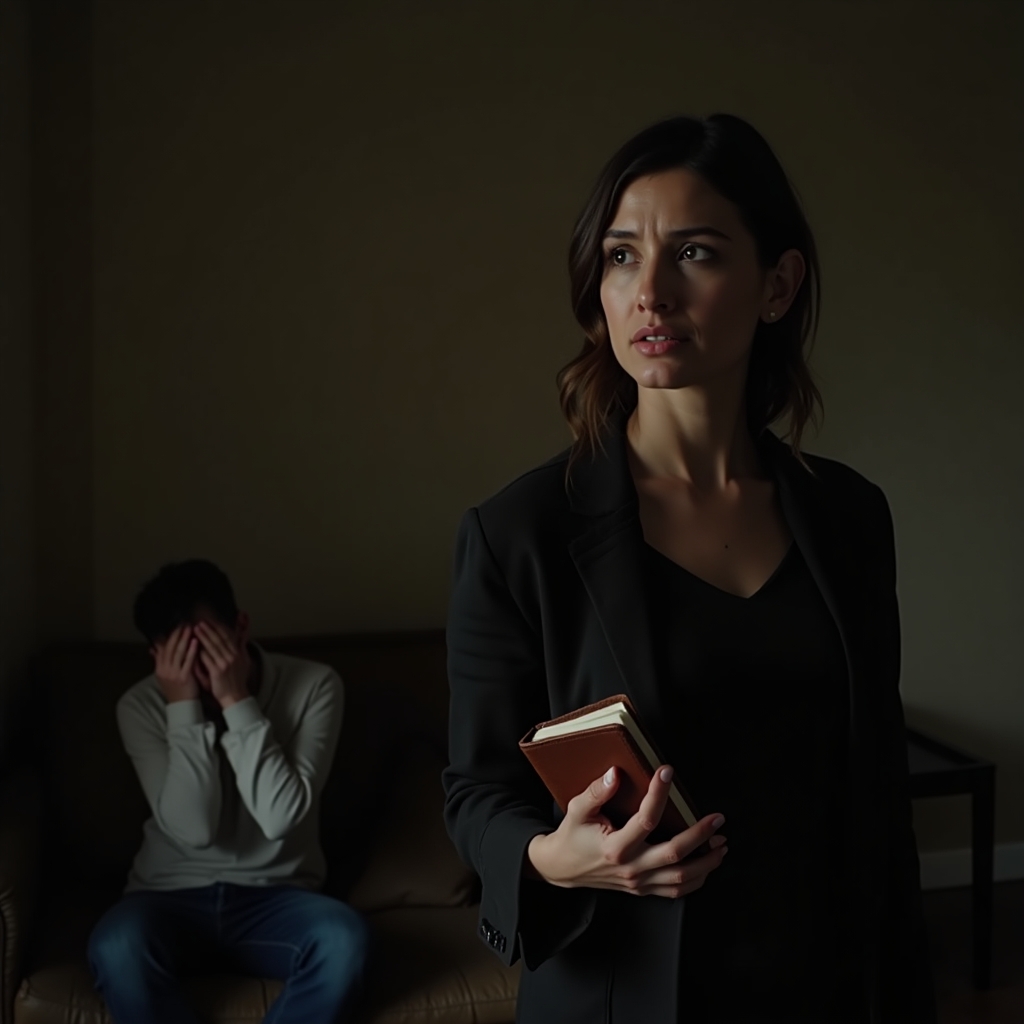
Every weekend, the Tran household would host family gatherings, a cacophony of noise and laughter, where discussions often revolved around achievements and future plans. Emily would sit quietly in the corner, sketchbook in hand, nodding along while her relatives discussed her prospective medical career. Her parents smiled proudly, blissfully unaware of the inner turmoil she harbored.
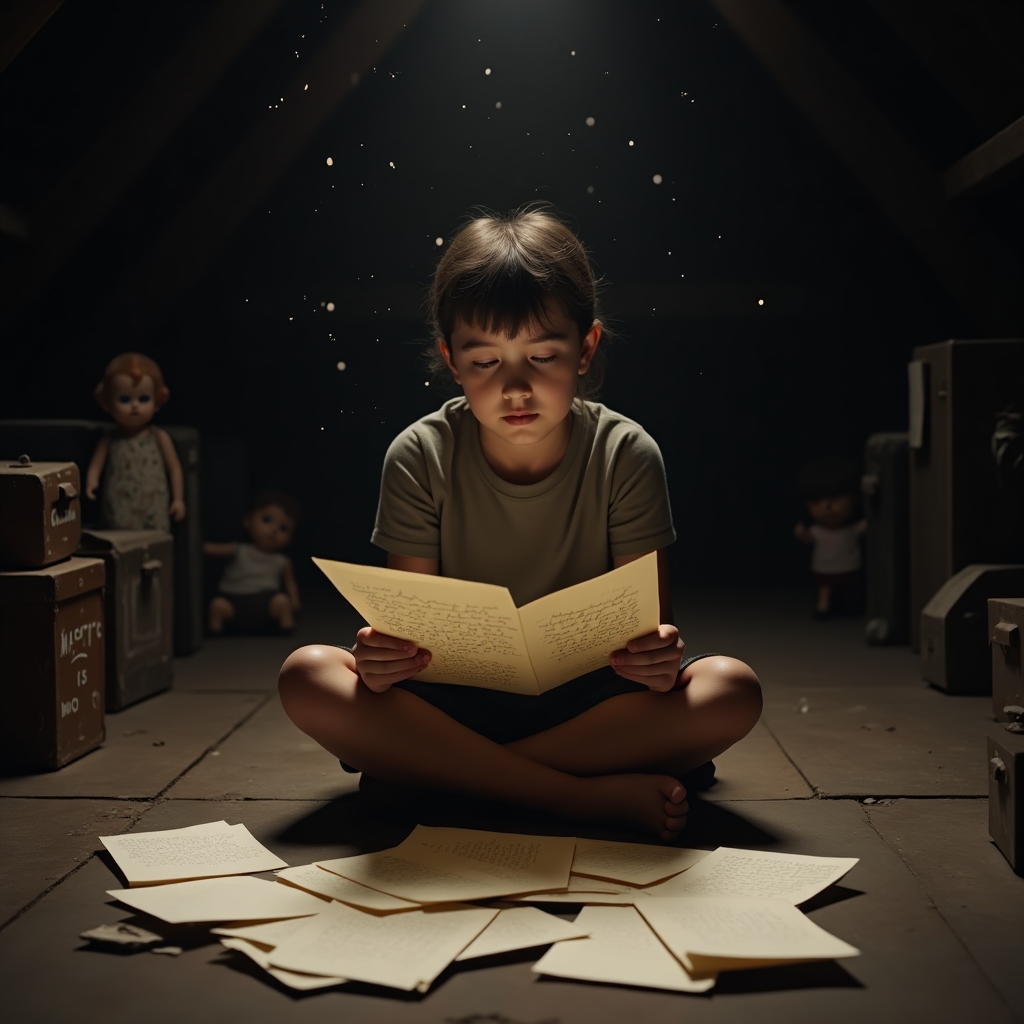
Emily’s sanctuary was a small, dimly lit attic space filled with canvases and paint jars. Here, she would lose herself in the colors, creating worlds that spoke to her truth. Yet every brushstroke came with a pang of guilt, whispering that she was betraying her parents’ sacrifices and expectations.
The quiet tension within Emily simmered, like a pot on the brink of boiling over. Her family’s dreams draped over her like a heavy, woven tapestry—beautiful but suffocating. The struggle within her was not marked by dramatic outbursts or confrontations but rather by quiet desperation and the aching desire to reconcile her heart with her heritage.
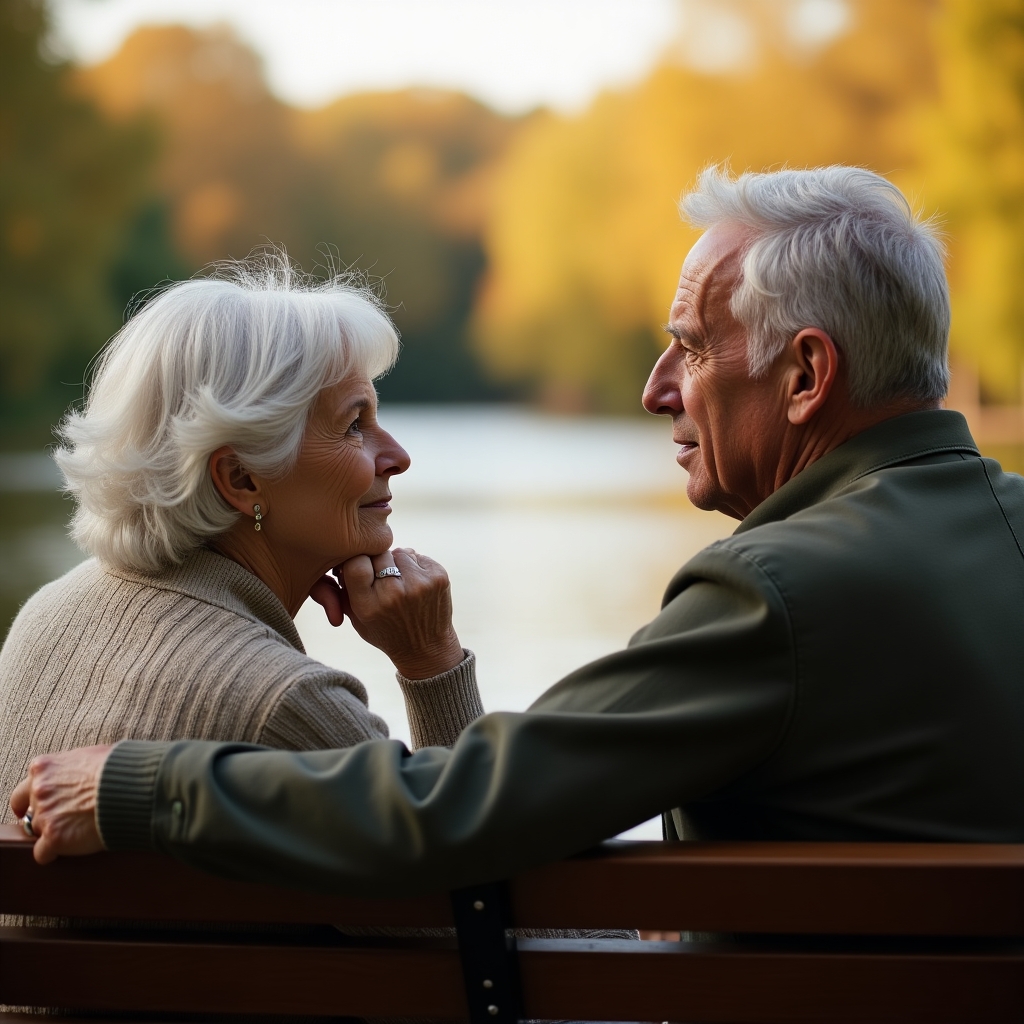
One crisp autumn afternoon, Emily found herself sitting in a local park, surrounded by the vibrant hues of fall. She watched as the leaves danced in the breeze, each one a reminder of change, of the inevitability of seasons passing. Lost in thought, she didn’t notice the elderly woman who had settled onto the bench beside her.
The woman, with her warm eyes and wrinkled hands, introduced herself as Mrs. Lin, another immigrant who had made Willow Bend her home decades ago. Sensing Emily’s internal struggle, Mrs. Lin shared stories of her own journey—of leaving her home country and the hardships of forging a new life. She spoke of the delicate balance between honoring one’s roots and nurturing one’s authentic self.
The conversation with Mrs. Lin lingered with Emily long after they parted ways. It was as if the older woman’s words had unlocked something within her—a new perspective, a sense of permission to seek her own path.
That evening, Emily sat in the attic, surrounded by her creations. She stared at a blank canvas, her chest tight with emotion. In the silence, she realized that she had been painting not just for herself but for the parts of her that longed to be understood and accepted.
With a deep breath, Emily picked up her brush and began to paint—not with the frenetic energy of rebellion but with a newfound sense of peace. Her strokes were deliberate, echoing the stories of her ancestors while carving out space for her own narrative.
This quiet rebellion was her truth, a journey not away from her family’s legacy but toward her own destiny. The act of painting became a bridge, connecting the past and the future, honoring all that her family had endured while bravely stepping into her own light.
The next family gathering held a different air. Emily approached her parents, canvas in hand, her heart pounding but resolve steady. She presented them with a painting—a landscape of their homeland intertwined with elements of her life in America. Her parents studied the piece, their expressions shifting from confusion to understanding.
Tears welled in her mother’s eyes, and as they embraced, Emily felt the weight lifting, replaced by an unspoken bond that transcended expectation. In that moment of emotional clarity, she understood that courage wasn’t loud or defiant but a gentle insistence on being true to oneself.
Over time, Emily’s family learned to see her art not as a departure from their dreams but as an extension of them, a testament to the possibilities their journey had made possible.
In the quiet, steady brushstrokes of her life, Emily continued to paint her story, each canvas a visual echo of her heart—a testament to the quiet courage of living authentically in a world that often insists otherwise.