


Aiden stood at the edge of the garden, the late afternoon sun casting long shadows across the carefully manicured landscape. The garden had been a sanctuary for him throughout his childhood, a place where he could escape the expectations that seemed to weigh so heavily upon him. Today, however, it felt as though the garden itself was holding its breath, waiting for him to make a decision.
Born into a family where tradition was king, Aiden’s path had always seemed predetermined. His father, a respected academic, had expected Aiden to follow in his footsteps, to embrace the legacy of intellectual rigor and scholarly pursuit. His mother, though gentler in her approach, had her own hopes of Aiden continuing the family’s proud lineage, steeped in cultural customs and community-centered life. Yet Aiden had dreams of his own, dreams that diverged sharply from the tapestry his parents had woven for him.
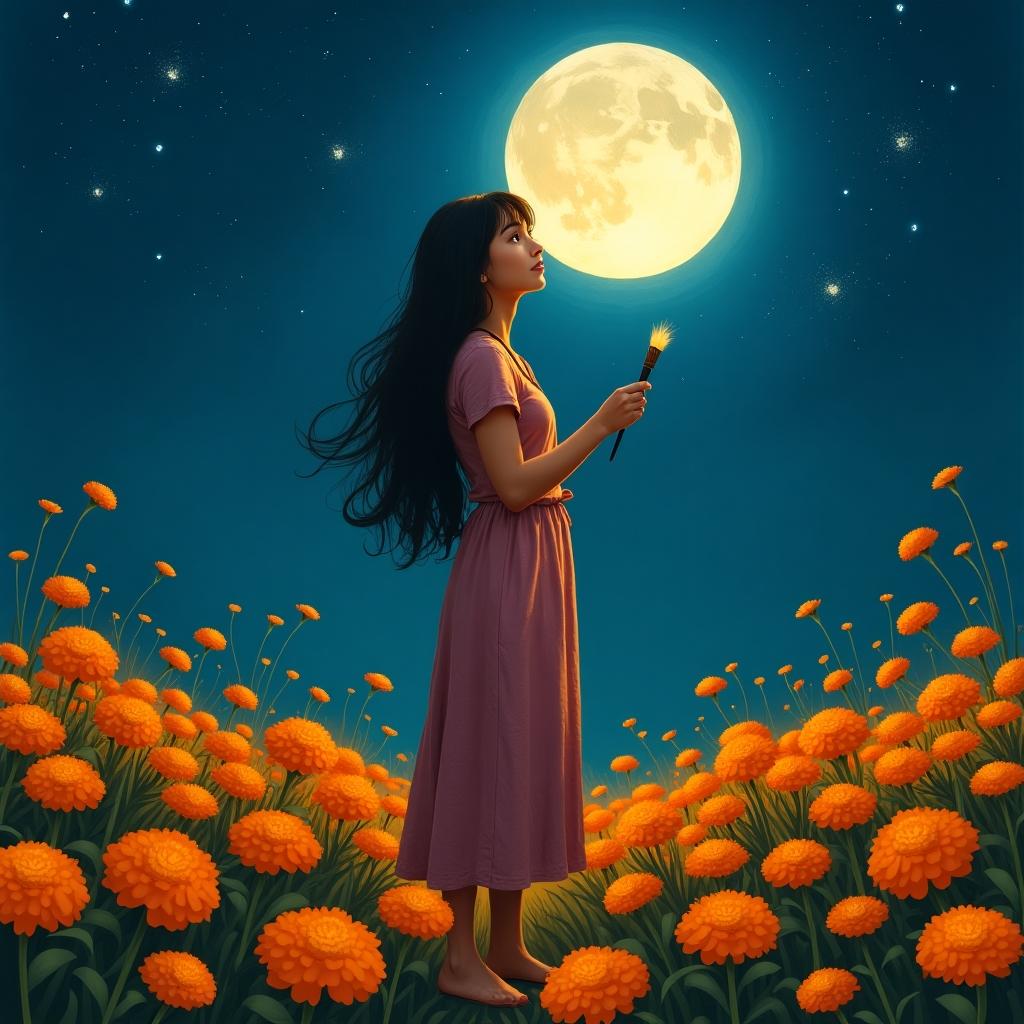
Aiden’s love for painting was something he had discovered on his own, a passion ignited by the vibrant landscapes and the quiet allure of portraits that told untold stories. It was a love that had grown in the shadows, nurtured in secret during stolen moments away from his studies, and fueled by an inner dialogue that questioned his place within the narrow confines of familial expectation.
The psychological tension that Aiden felt was subtle, like an itch that couldn’t quite be scratched. It wasn’t that his parents were overtly oppressive or unfailingly demanding; rather, it was the unspoken expectation, the invisible thread of duty that bound him to a script he hadn’t written. Aiden struggled with this quietly, constantly weighing his desires against the backdrop of loyalty and love for his family.
The turning point began on a rainy evening when Aiden was revisiting his parents’ home. The rain had turned the world outside into a blurred watercolor, and as Aiden sat with them at the dinner table, their conversation turned to the future. His father, eyes bright with pride, spoke of Aiden’s potential to make significant contributions to the academic world, while his mother chimed in softly about the importance of cultural heritage.
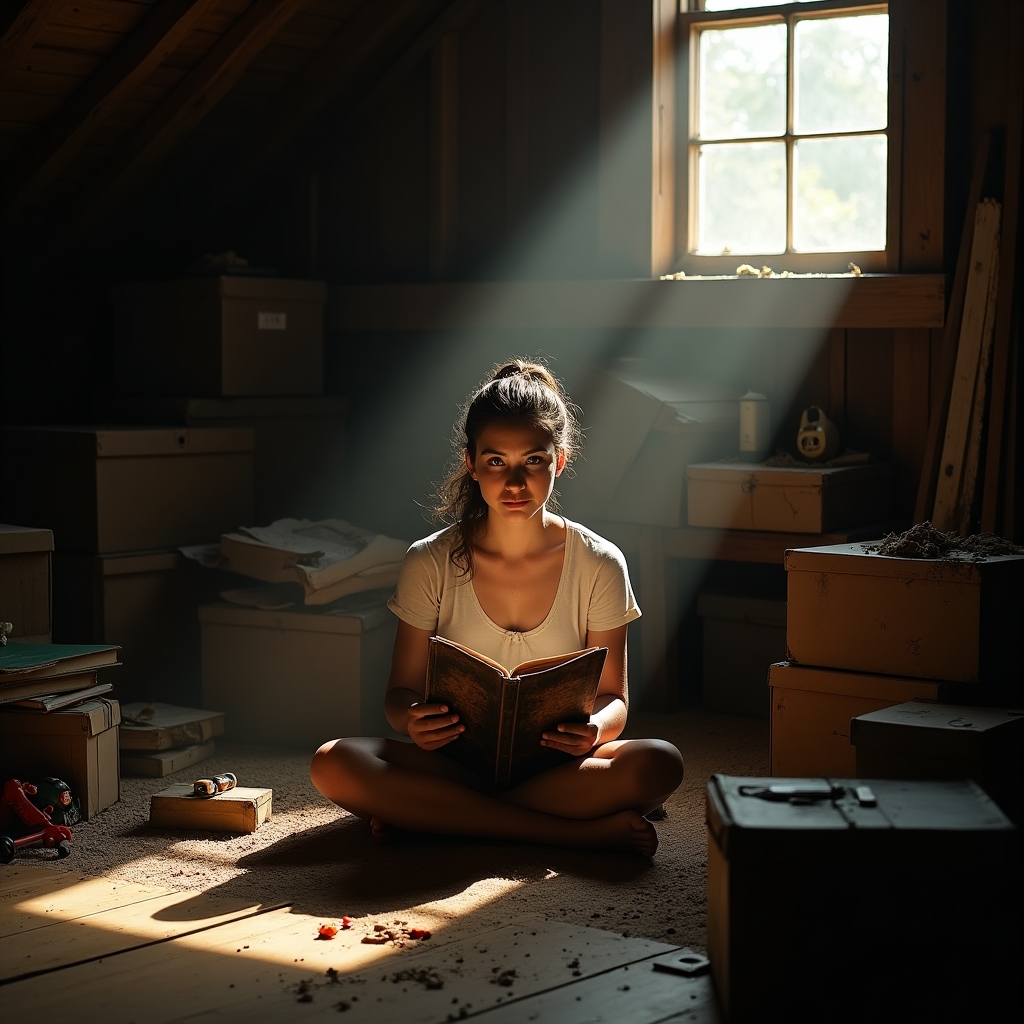
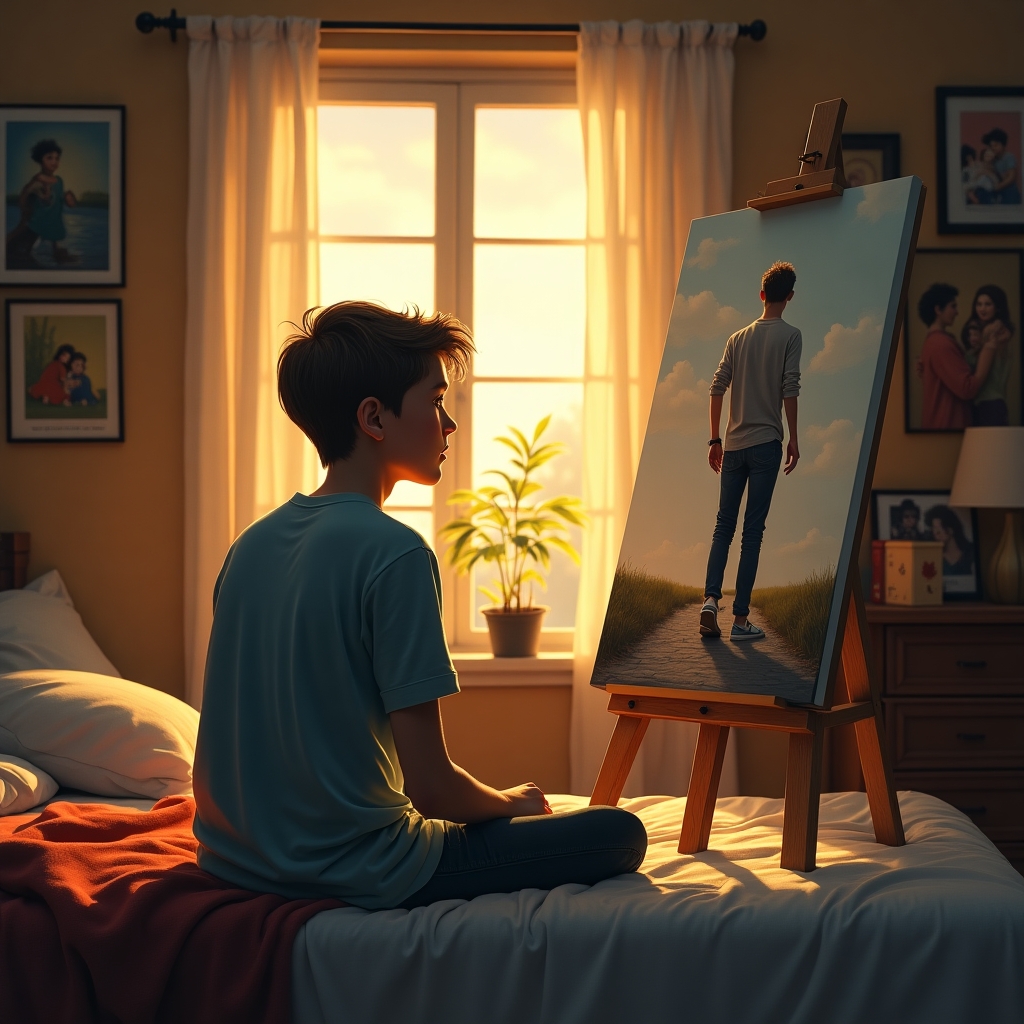
Aiden listened, as he always did, his heart pounding a familiar rhythm of conflict. After dinner, he retreated to his old room, now a shrine to childhood memories. It was there, amidst the remnants of his past — the trophies, the framed certificates, the books that lined the shelves — that clarity began to dawn.
He sat on the edge of the bed, a canvas propped up on the easel before him. On it, the beginnings of a portrait: a young man standing at a crossroads, his eyes a riot of color and emotion, captured perfectly in the stroke of Aiden’s brush. The painting was incomplete but in that moment, Aiden saw himself reflected back at him, a mosaic of contradictions and truths.
There was a quiet revelation, a gentle acceptance as he realized that his love for his family and his love for painting were not mutually exclusive. He understood that the expectations placed upon him, while burdensome, were also born from love and hope. The clarity came not as a rebellion, but as an understanding that he could carve his own path, one that honored both his heritage and his personal truth.
Aiden knew the conversation with his parents would be challenging, but he felt the strength to speak his truth. He imagined painting a different picture with his words, one that conveyed his vision for his life and the art he wanted to create.
Later, when he finally spoke to them, the words were measured, but filled with sincerity. His parents listened, and in the silence that followed, Aiden saw in their eyes a flicker of understanding, a glimmer of acceptance that was enough for now.
In the days that followed, Aiden felt a new lightness. He continued to paint, his strokes surer, his colors bolder. The garden, once a place of refuge, now became a source of inspiration, a testament to the quiet harmony he had found within himself.
Aiden’s story is an exploration of the nuanced dance between personal values and familial expectations, a journey of quiet strength and emotional courage. It is a testament to the power of understanding, both of oneself and of the love that binds us to those we call family.