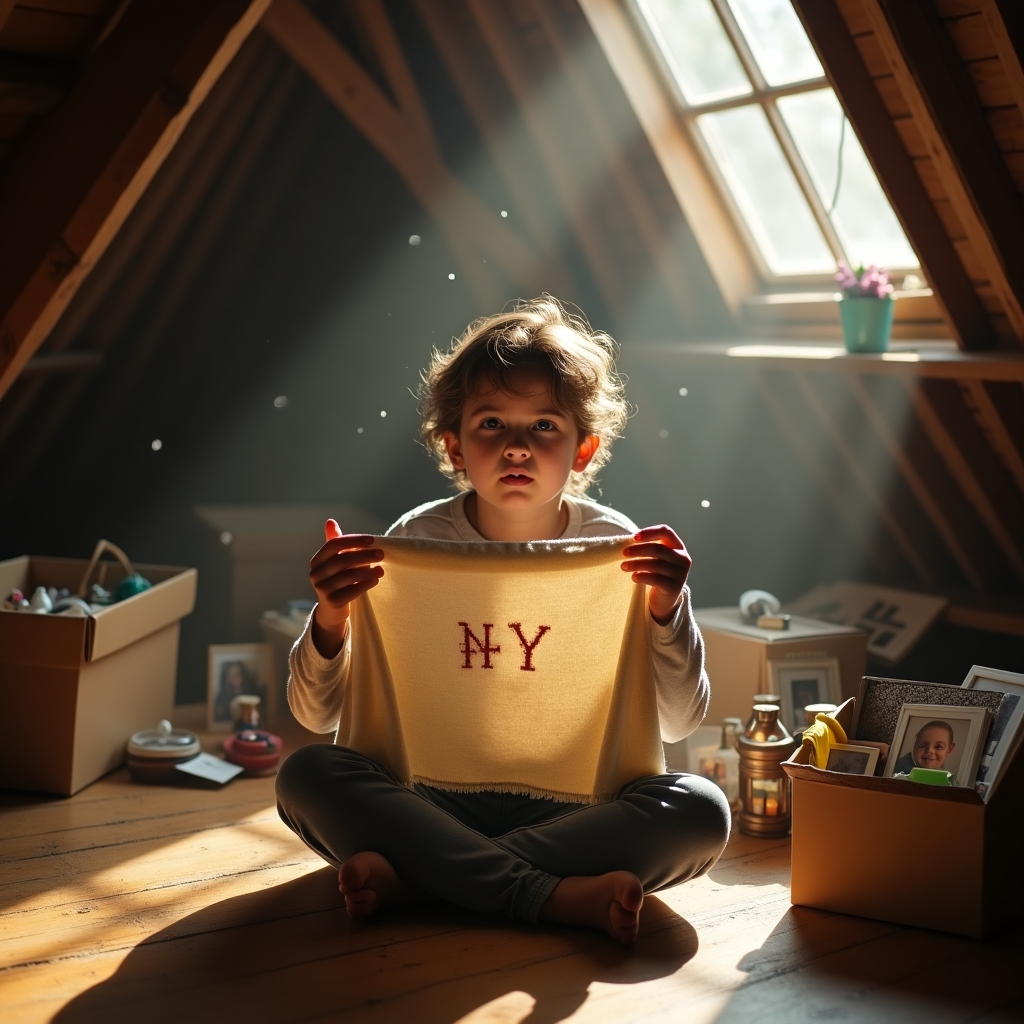
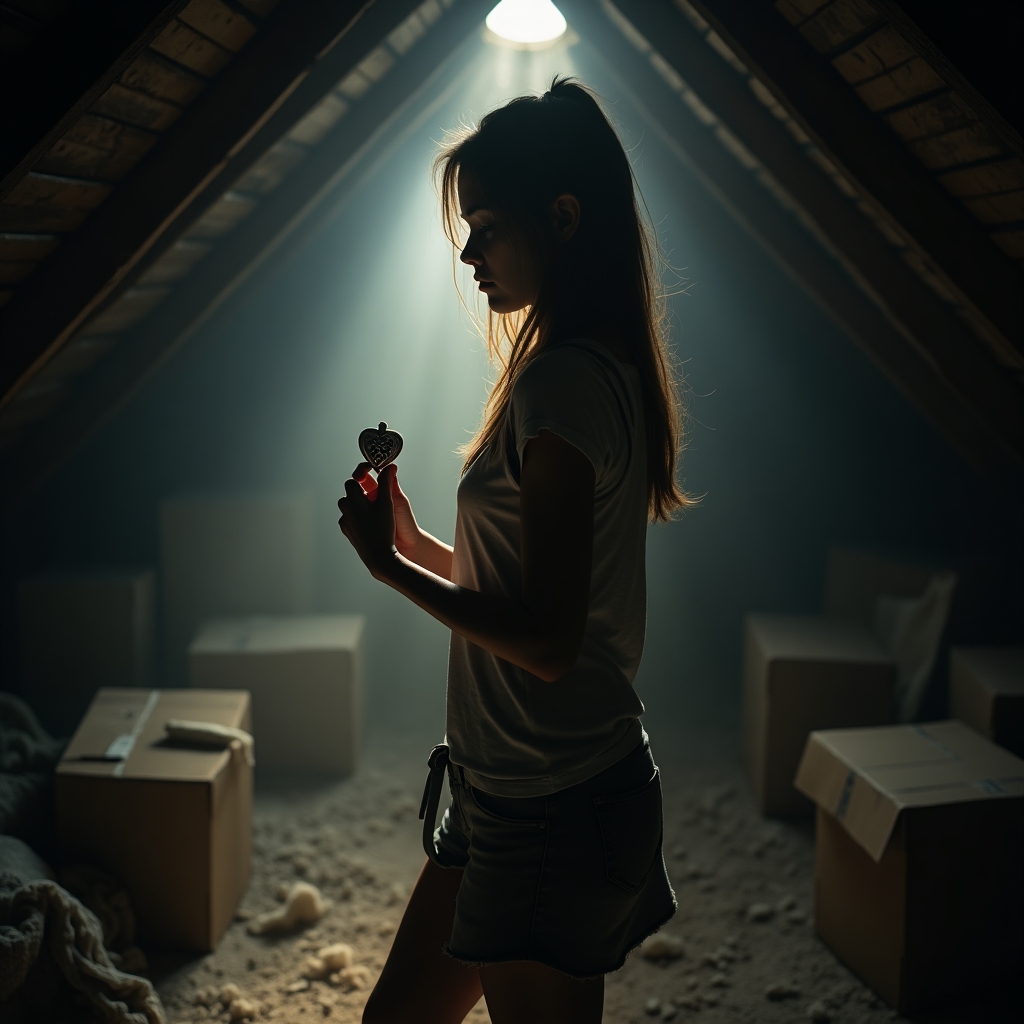

Amara sat in the middle of her room, encircled by boxes of half-packed belongings, each one a monument to the life she would soon be leaving behind. Her family’s modest apartment felt smaller than ever, its walls lined with the hushed echoes of a thousand unspoken expectations. The faint sounds of evening traffic drifted in through the open window, blending with the soft rustle of leaves from the old oak tree outside. This was home—a place of comfort and confinement, of love and longing.
From a young age, Amara had been the bright light of her family, praised for her academic achievements and cherished for her gentle spirit. Her parents, immigrants who had worked tirelessly to secure a stable life for their children, saw in Amara the future they had dreamed of. The weight of their sacrifices pressed heavily upon her shoulders, invisible yet ever-present.
As she sat there, surrounded by glimpses of her past, Amara felt the familiar pull of two worlds. On one hand, there was her deeply ingrained sense of duty to honor her parents’ dreams—to pursue the career path they had envisioned for her, to remain close to home, to uphold the traditions that had shaped their lives and now hers. On the other, there was the burgeoning sense of self that had been quietly growing within her—a desire to pursue art, to explore the world beyond the confines of what she knew, to live a life that felt authentically her own.
The dichotomy was a quiet conflict, one that unfolded in small, internal moments rather than explosive confrontations. Each choice she made felt like a delicate balancing act, navigating between loyalty to her family and fidelity to herself. The tension was subtle but potent, a constant undercurrent in her daily life.
Each family dinner was a reminder of this tension. Her father, his hands rough from years of hard work, would speak with pride about her upcoming enrollment in a prestigious engineering program. Her mother would smile wistfully, eyes filled with hope for a secure future for her daughter. Amara would nod along, her heart a tangled mix of gratitude and guilt.
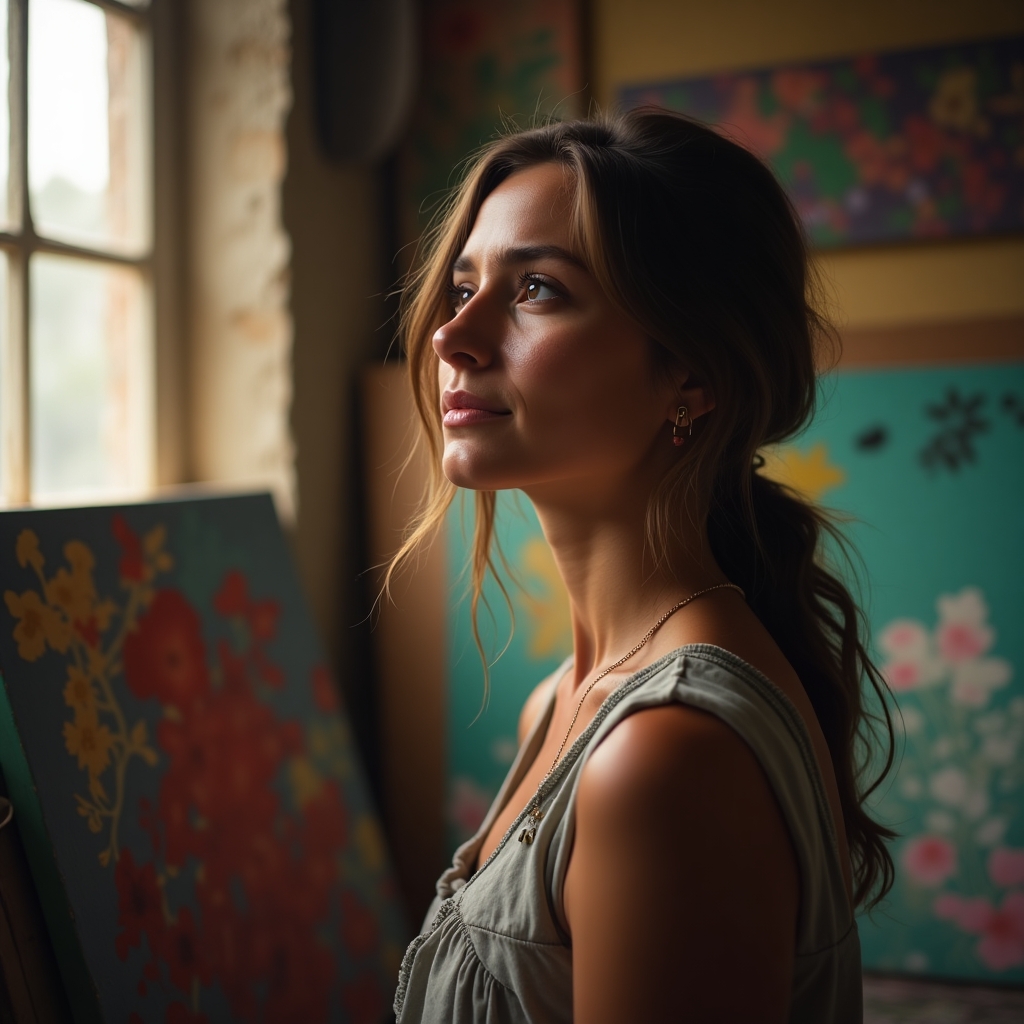
The gentle rebellion within her found its outlet in a small studio she had rented on the outskirts of the city. Here, amidst canvases filled with vibrant colors and bold strokes, Amara felt a sense of liberation. It was a secret sanctuary where she could explore the contours of her own identity, unburdened by external expectations.
Yet, even in this sanctuary, the voices of her parents lingered, whispering reminders of the life she was supposed to lead. In the quiet of her studio, Amara would often pause, brush in hand, contemplating the path she was poised to take. The fear of disappointing her family was a shadow that hung over her, but so too was the fear of losing herself.
It was an unexpected moment that brought clarity. One evening, as she worked on a painting that had frustrated her for weeks, the radio played an old song that her mother used to hum while cooking. The simple tune stirred a cascade of memories—of warmth, of home, of her mother’s unwavering love. Tears pooled in Amara’s eyes as she realized that her parents’ dreams for her were rooted in the same love that now guided her own aspirations.
She understood then that honoring her truth didn’t mean rejecting theirs. It meant carrying their hopes with her, infusing them into the life she was meant to lead. Her art could become the bridge between two worlds, a canvas where both her dreams and theirs could coexist.
With a newfound sense of peace, Amara packed her belongings with purpose. She would speak to her family, share her truth, find common ground. It would not be easy, but it was necessary. The quiet struggle had led her to a place of emotional clarity, and she was ready to step into the light of her own life.
The next morning, as sunlight filtered through the curtains, Amara smiled at the boxes around her. They no longer felt like burdens, but rather stepping stones towards a future she was ready to claim. She took a deep breath, ready to embrace the journey ahead, with all its complexities and beauty.