


Mia leaned against the kitchen sink, the tepid water pooling in the dishes she had neglected since last night. The morning sun filtered through the blinds, casting striped shadows onto the linoleum floor. She watched the dust particles dance lazily in the air, lost in the same routine that had encapsulated her life for as long as she could remember.
Her phone buzzed on the counter, a reminder from her mother that she needed to bring her famous potato salad to the family dinner that Sunday. Another reminder of who she was supposed to be, the obedient daughter, the peacemaker, never saying no even when her heart longed for silence and solitude.
Mia’s husband, Tom, was in the other room, his voice rising and falling with the news anchor on the television. “Mia! Coffee’s cold,” he called out, a hint of impatience edging his words.
“I’ll make fresh,” she replied, a practiced response, devoid of any real engagement.
To the outside world, Mia and Tom were the epitome of suburban normalcy. In reality, Mia felt like a shadow of herself, ever-present but never substantial. She moved through her house like a ghost, performing tasks out of habit rather than desire.
That afternoon, Mia found herself in the garden, the one place that offered her a semblance of peace. The roses were blooming, vivid and unapologetic in their beauty. She knelt beside them, touching the petals with the softest of caresses, remembering a time when she had felt as vibrant and full of life.
She recalled her college days, filled with laughter and art, and the dreams that had once buoyed her spirit. She had wanted to paint, to explore, to create. But those dreams had slowly been replaced by obligations and expectations, each one pressing down on her like a weight she could not shake off.
A rustle of leaves drew her attention, and she saw her neighbor, Ellen, tending to her own garden. Ellen, with her easy smile and fearless demeanor, had always intrigued Mia. Her life seemed unburdened by the expectations that suffocated Mia.
“Hey, Mia,” Ellen called over, wiping her hands on her jeans. “How’s everything?”
Mia hesitated, the practiced smile faltering on her lips. “Same old, same old,” she replied, a phrase that felt heavy with resignation.
“You should come over for coffee sometime,” Ellen suggested. “I’ve got some books you might like.”
“Maybe,” Mia said, unsure of why the prospect made her heart beat a little faster.
Returning inside, she found Tom had left for work, his cup still on the table, a ring of coffee staining the wood. She stared at it, the imprint a metaphor for her life — an impression left behind that no longer served a purpose.
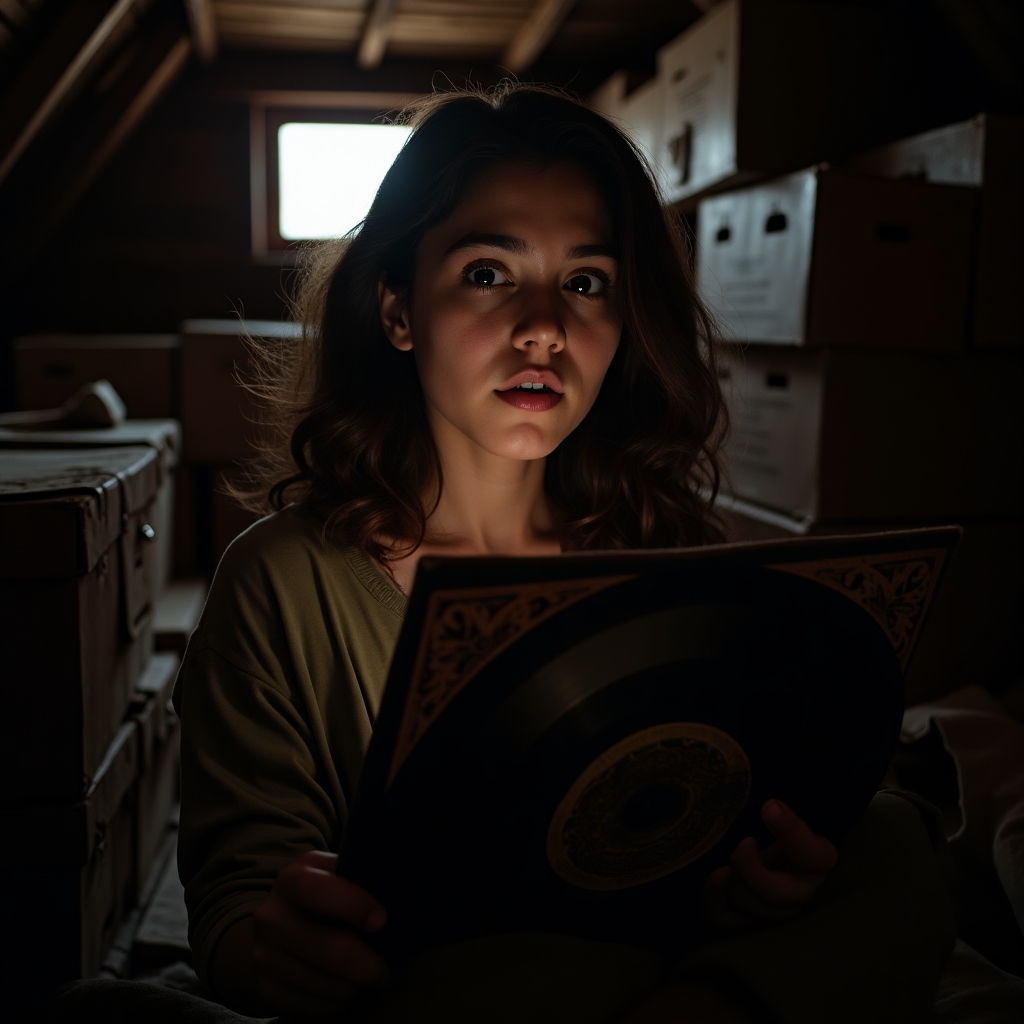
The next day, while Tom was at work and the house was quiet, Mia picked up a canvas from the dusty attic, a relic of her past self. She set it up in the garden, the roses swaying gently in the breeze as if encouraging her.
She hesitated, brush poised in mid-air. What was she even trying to achieve? But as she applied the first stroke, something within her shifted. The rhythm of painting returned to her slowly, each stroke of the brush a small rebellion against the sameness that had consumed her.
Time slipped away, the sun shifting across the sky, and for the first time in years, Mia felt present, anchored in the moment.
Later that evening, Tom noticed the paint smudges on her fingers. “You’ve been painting?” he asked, eyebrows raised.
“Yes,” she said, surprising herself with the firmness in her voice.
Tom nodded, distracted, already turning his attention back to the television. But for Mia, it felt like the start of something.
The following days saw her returning to the easel, each session a practice in reclaiming her autonomy. She painted as she had once dreamed of doing, not caring about the outcome, but reveling in the process.
The family dinner came and went, her potato salad received with the usual praise. But her mind was elsewhere, imagining colors, forms, and the feel of the brush in her hand.
One afternoon, she caught a glimpse of herself in the mirror, eyes alight with a zest she had almost forgotten. It was then she knew she was ready.
When Tom came home that evening, she greeted him not with the usual question of his day but with a statement of her own: “I’ve signed up for an art class.”
He blinked, nonplussed. “What about your responsibilities here?”
“We’ll manage,” Mia replied, her voice steady. The resolve in her words was unshakeable, marking a line she had silently redrawn in the sands of her life.
And as she said it, the words felt like the most profound act of liberation she had ever known, not in defiance but in affirmation of who she was and planned to become.