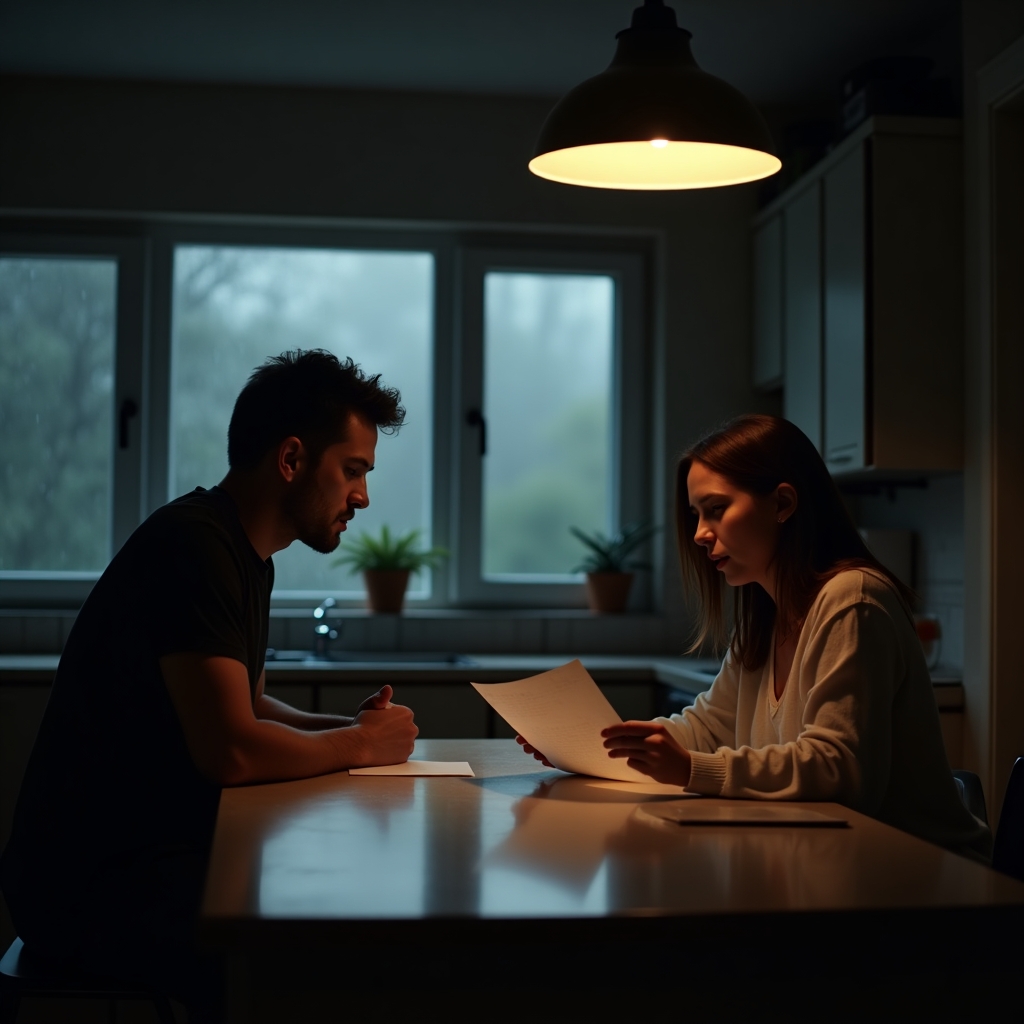
Mina sat at the kitchen table, her hands clasped around a mug of cooling tea. The hum of the refrigerator was the only sound that filled the small room, highlighting the silence she had grown accustomed to over the years. Across from her, the pale morning light fell through the window, casting soft shadows on the faded linoleum floor.
The kitchen had been her solace and her prison. Here, she’d cooked countless meals, her movements mechanical and precise, her thoughts wandering to dreams she had long since tucked away. Mina glanced briefly at the old calendar hanging on the wall, its pages yellowed with time. It was still open to last month.
She heard footsteps from the hallway, and soon her mother appeared in the doorway, her sharp gaze immediately flicking to the cup in Mina’s hands. “You’re not dressed yet,” her mother said, an eyebrow lifting in mild disapproval.
“Not yet,” Mina replied quietly, her voice steady but soft, like the voice of someone who had learned the art of speaking without stirring the air.
Her mother sat down, reaching for the newspaper. “You should start getting ready,” she advised. “The garden won’t take care of itself, and you know how your father feels about dawdling.”
Mina nodded, the familiar tension coiling again in her chest. For years, she had adhered to the invisible schedule dictated by her parents, her life unfolding predictably within the boundaries they had set. But something had begun to shift inside her, a quiet rebellion that started as a whisper and had grown louder with each passing day.
Later, as Mina worked in the garden, her hands moved through the soil with practiced ease, the cool earth a comfort beneath her fingers. She paused, looking up at the sky, where clouds drifted lazily. She remembered a time when she would lay on the grass for hours, weaving stories from the shapes she saw in the sky.
She heard the back door open and close, her father’s familiar shuffle unmistakable. “Mina,” he called out, his voice a mix of authority and fatigue.
Mina rose to her feet, brushing dirt from her knees. “Yes, Dad?”
He approached, his eyes scanning the garden beds. “Your mother said you seemed distracted this morning. We need you focused, especially with the spring planting.”
“I know,” Mina replied, feeling the weight of his expectations wrap around her like a heavy cloak.
He nodded, satisfied for now, and returned to the house. Mina watched him go, a small sigh escaping her lips.
As the afternoon sun began to descend, casting long shadows across the yard, Mina lingered by the garden gate. She could hear the faint laugh of children from a nearby park, the sound bittersweet in its simplicity.
Over the past few months, Mina had noticed small cracks appearing in the facade of her compliance—a hesitance to obey immediately, a questioning glance, a longing look at the world beyond her familiar confines.
That evening, as she prepared dinner, Mina’s mother watched her with hawk-like attention, her presence a constant reminder of the role Mina was expected to play.
“Remember, Mina,” her mother began, the words too often repeated. “Family is everything. Without family, we are nothing.”
Mina nodded, knowing the script by heart. Yet, something within her—a flickering flame—refused to be snuffed out this time. She finished preparing the meal, her hands working with a quiet determination.
After dinner, the house settled into its usual rhythm, her parents engrossed in their respective evening routines. Mina stood at the sink, the warm water rushing over her hands as she washed the dishes. Her gaze wandered out the window, where the moon was beginning to rise, bathing the garden in a cool, silvery light.
It was then she decided—the decision as natural and necessary as breath.
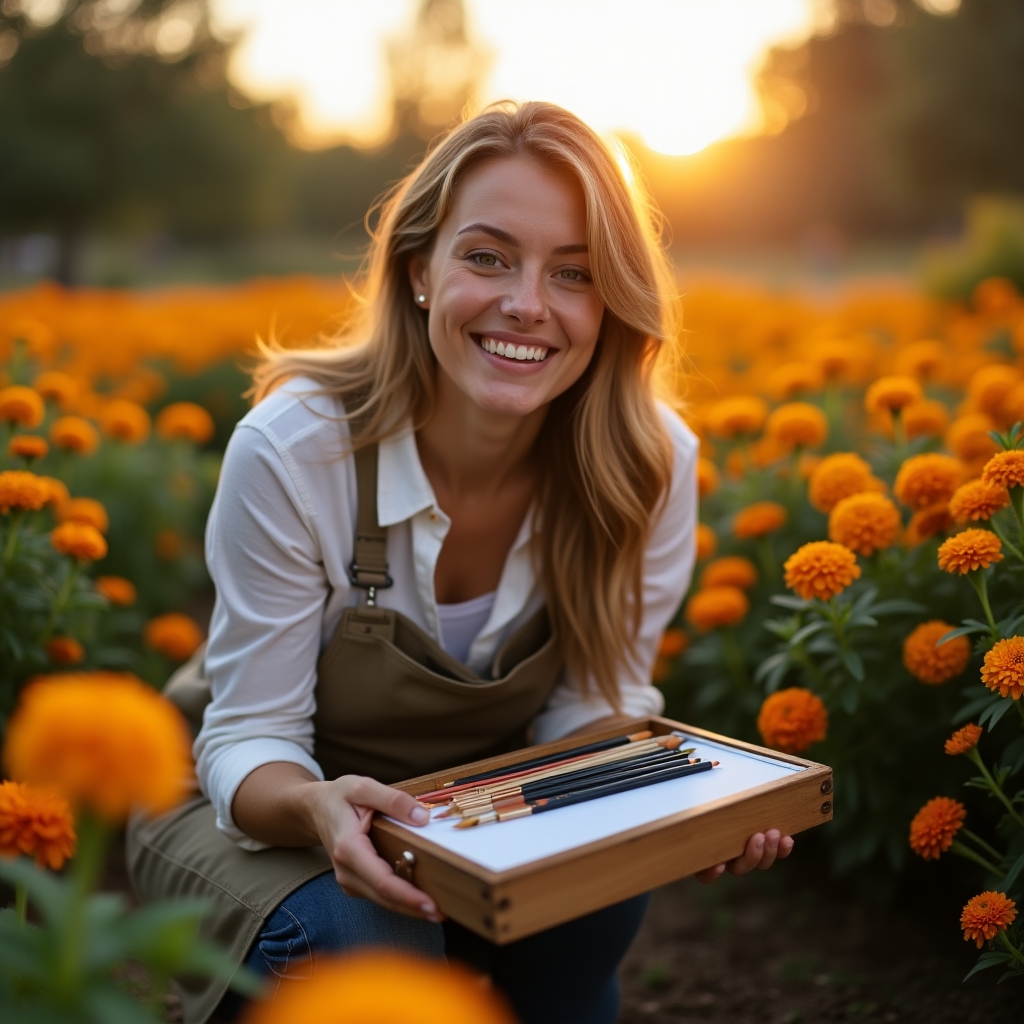
The next morning, after her parents had left for town, Mina took a deep breath and walked to the garden. She knelt by the bed of marigolds, the vibrant orange blossoms nodding gently in the morning breeze. There, she began to dig, deeper than she ever had before.
As the hole grew, so did the sense of liberation. She unearthed a small wooden box, its surface worn smooth by time. Inside were the remnants of her childhood dreams—paintbrushes and a sketchpad, pages filled with the vibrant colors and images that had once danced in her mind.
Mina sat back on her heels, the box cradled in her lap. Tears blurred her vision as she traced a finger over the dusty lid, the weight of years of suppression slowly lifting.
It was not a grand rebellion, but it was hers. And in its quiet simplicity, it was enough.
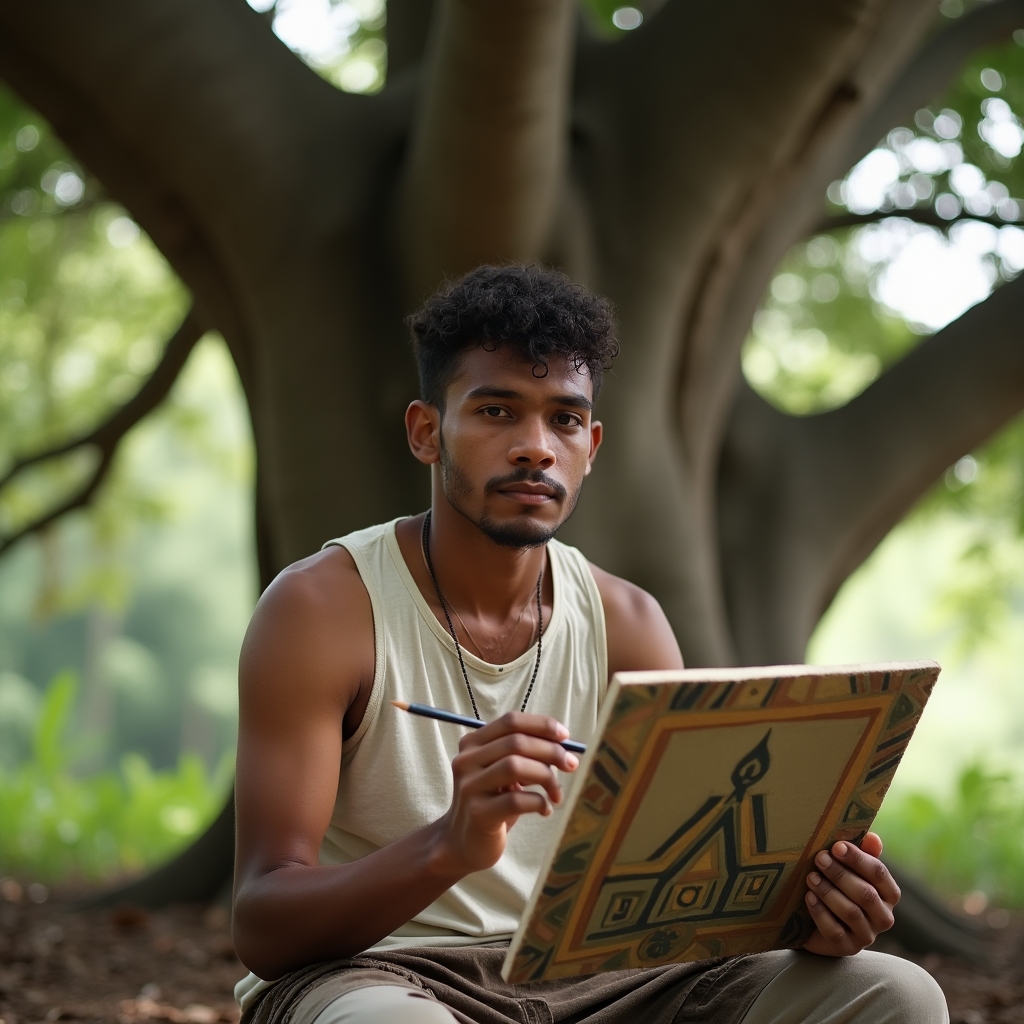
The following weeks, Mina began to carve out moments for herself, her art supplies tucked away in a corner of the garden shed, a secret promise to the person she was becoming. Each brushstroke on the canvas was a whisper of defiance, a reclaiming of the voice she had nearly forgotten.
Her parents noticed the subtle change—her growing reluctance to conform, the light in her eyes that had returned. “Mina,” her mother said one evening, concern threading her voice. “You seem different lately.”
Mina smiled, a small, knowing smile. “I guess I’m just finding my way.”
Her mother opened her mouth to speak, then closed it, the words unspoken but understood.
Mina felt the familiar tension in her chest ease, replaced by something warmer, something like hope. She was no longer the quiet shadow that moved obediently through life. She was Mina, and she was finally beginning to bloom.