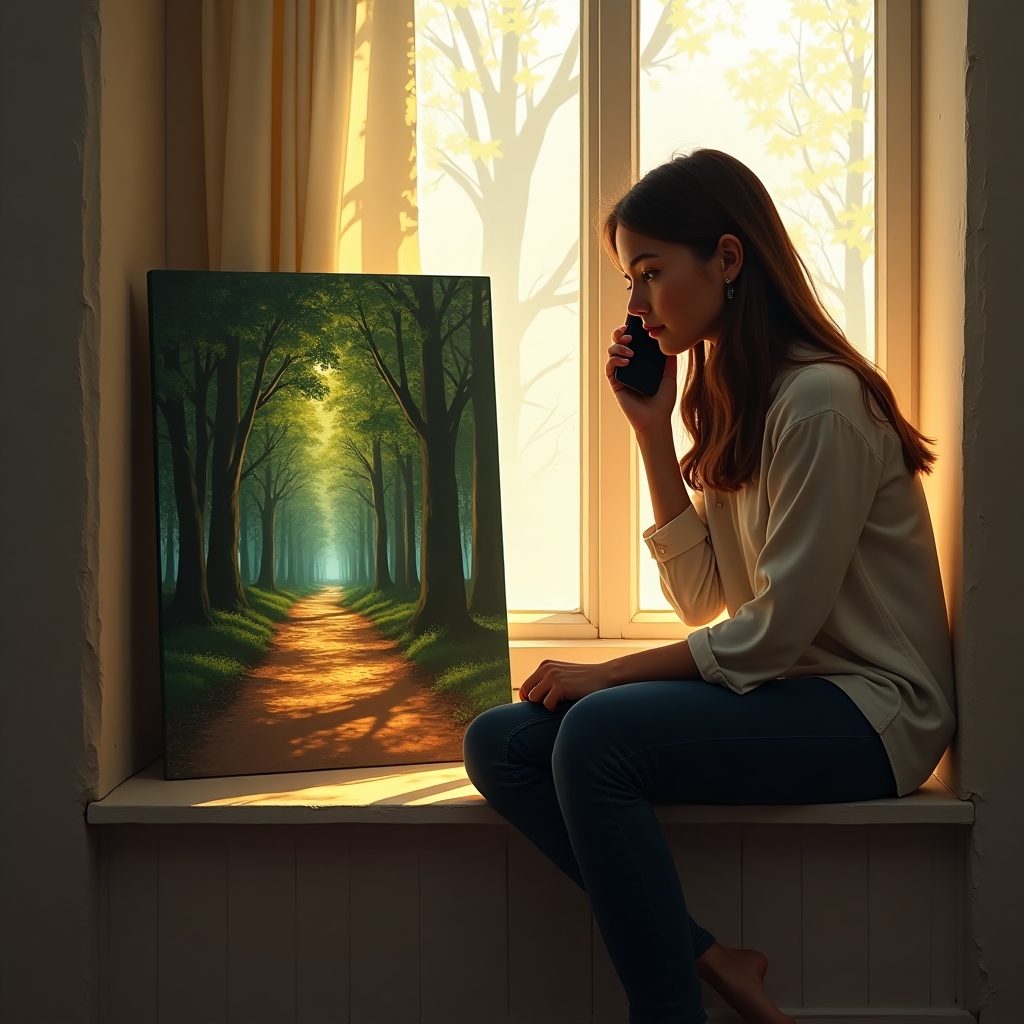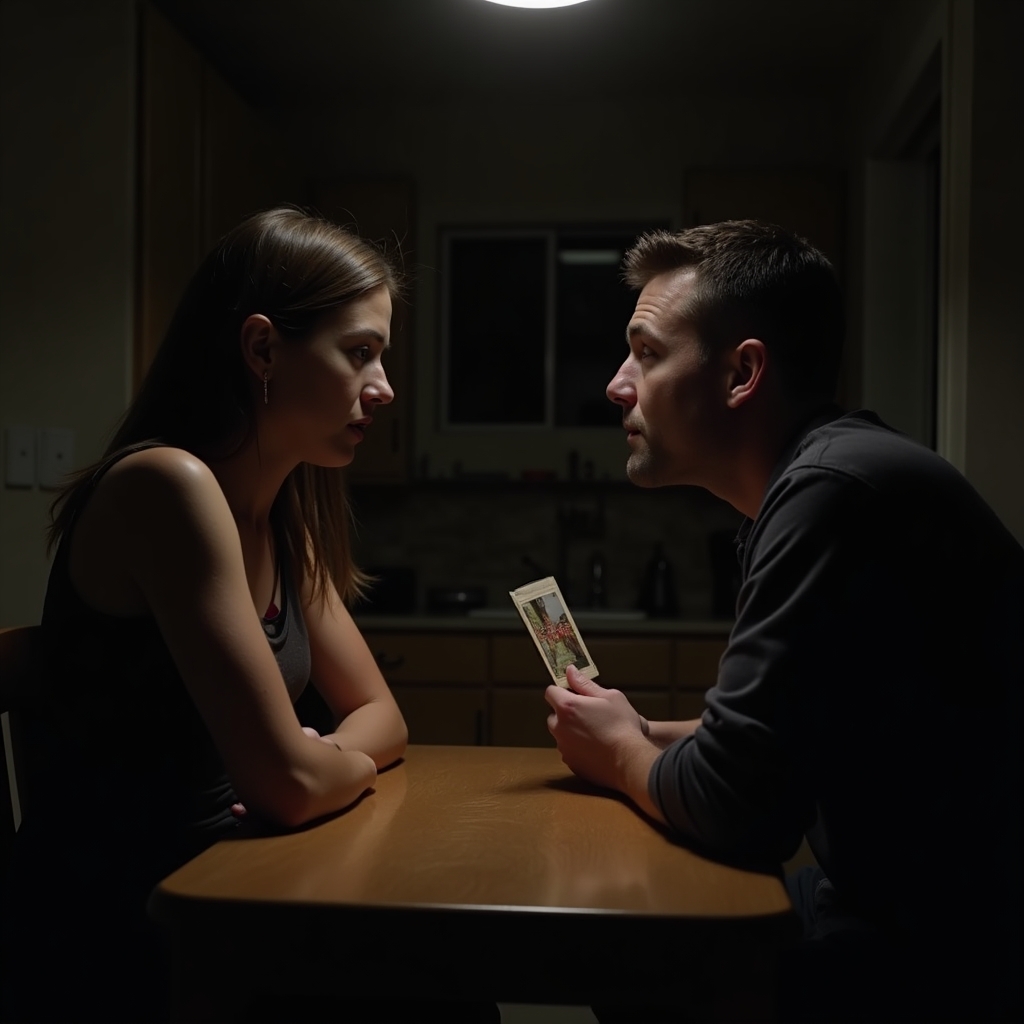





Asha sat by the window, tracing her fingers over the smooth wood grain of the old, mahogany table. Outside, the early morning sun cast a gentle glow over the garden, spotlighting the array of flowers that seemed to outshine each other in colors. But inside, in her heart, there was a gray cloud that refused to lift. She heard her parents’ voices from the kitchen, floating in harmonious agreement over breakfast plans for another family gathering. It was these gatherings that Asha dreaded, not for the company, but for the inevitable conversations about her future.
Her parents were first-generation immigrants, and Asha was the embodiment of their hopes and sacrifices. Every decision about her life was measured against the weight of everything they had endured to give her more choices than they ever had. It wasn’t an overt pressure; it was subtle, a constant undercurrent in their every conversation, every affectionate glance.
The expectation that she would pursue medicine, the noble career that generations of their family had aspired to without success, was never explicitly stated. It didn’t have to be. The unspoken words sat between them at every meal like an extra guest at the table. Asha loved science, there was no doubt about that, but her heart sang in the quiet of the night when she wrote her stories—those tales of imagined worlds where characters struggled and grew, discovered and transformed.
Her writing was a secret she held close, like a cherished heirloom passed down through whispering generations. Only her closest friends knew about her love affair with words, and even they didn’t quite understand the depth of her passion. How could she explain that her soul felt most alive when her pen danced across a page, translating her thoughts into the inked patterns of narrative? How could she tell her parents that her dreams unfolded not in surgical theaters but in the boundless realms of her imagination?
The kitchen clatter hushed as her parents finished their breakfast. Asha knew what came next: her father’s gentle knock on her door—a ritual of familial bonding and inquiry. Their conversations were always warm, but inside, she braced herself against the questions that would inevitably steer towards her studies, her future.
“Asha, are you busy?” her father’s voice called softly.
“No, not at all,” she replied, forcing a smile as she joined him in the living room.
They sat amid the faded floral patterns of the couch, her father’s eyes crinkling with warmth as he inquired about her classes. Asha spoke of her studies with genuine interest, her voice steady as she recounted her latest biology project. Yet beneath her practiced facade, a quiet tension thrummed. Her father nodded approvingly, his pride evident, and Asha swallowed her words about the short story she had just completed, the one she was most proud of.
“Your mother and I were thinking about your future, you know. Have you given more thought to shadowing Dr. Patel over the summer?” he asked, his tone hopeful.
Asha nodded, even as her heart sagged under the weight of unspoken truths. “Yes, I’ve thought about it,” she replied, her voice betraying none of her inner turmoil.
As the weeks slid by and spring gave way to summer, Asha found herself oscillating between her familial duty and her own desires. The family gatherings continued, each one a reminder of the expectations that tethered her. She felt like a kite in the sky, yearning to soar higher, yet restrained by a string held firmly in place.
In the quiet of her room, Asha continued to write, each story a rebellion inked in secret. Her characters spoke her truth, their voices a balm to her fractured heart. She lived for those moments of creation, the clandestine hours where she was unapologetically herself.
One evening, as the cicadas sang the sun to sleep, Asha’s mother entered her room. She had always been more perceptive, aware of the nuances in Asha’s demeanor. Sitting on the edge of the bed, she asked, “Asha, are you truly happy?”
The question hung between them like a fragile glass ornament, threatening to shatter.
Asha hesitated, the urge to spill her truth clashing with a lifetime of conditioning. But then, like a drop of water carving its path through stone, her resolve began to form.
“I love science, Mom, but my heart belongs to writing,” Asha confessed, her voice trembling with honesty.
Her mother’s eyes softened, a mosaic of emotions shifting across her face. She reached for Asha’s hand, squeezing it gently.
“All we’ve ever wanted was for you to be happy, Asha. Truly happy.”
The quiet admission was a balm, soothing the raw edges of Asha’s anxiety. It was a small moment, quiet and understated, yet the emotional clarity it brought was profound. In that instant, Asha realized that her truth didn’t have to be at odds with her family’s love.
The path to forging her own way was still uncertain, but no longer did she feel alone. Her mother’s acceptance allowed Asha to begin bridging the divide between expectation and truth, creating a space where she could thrive.
As Asha lay awake that night, she felt lighter, buoyed by the newfound understanding that her dreams were valid. Her pen found the blank canvas of her notebook, and she wrote—the words flowing unencumbered by fear.