The kitchen was alive with the comforting hum of mundane distractions: the rhythmic chop of vegetables, the soft clatter of dishes being stacked, the gentle whoosh of a kettle preparing to boil. Anna stood at the counter, hands moving almost mechanically through the motions of preparing dinner. Her husband, Mark, sat at the table, engrossed in his phone, only occasionally interjecting a comment about work or the news.
“Did you see the email about the office party next week?” Mark asked, not looking up.
“Yes,” Anna replied, her voice a practiced calm. “I think we should go. It could be fun.”
He shrugged, unconvinced. “I guess.”
This was how most evenings unfolded: brief exchanges peppered with the practical necessities of life. Anna couldn’t pinpoint when the silence between them had begun to outweigh their words, but she carried it like an invisible yoke across her shoulders.
Her phone buzzed against the countertop, jolting her out of her reverie. It was a message from her younger sister, Jess: *”Saturday brunch at mine? Just us?”*
Anna’s heart lightened a fraction as she typed back a quick, “Would love that.”
Saturday mornings were becoming sacred—a carved-out time where Anna could breathe without hearing the incessant ticking of the clock marking chores and obligations. Jess’s apartment, filled with vibrant plants and eclectic art, was like a sanctuary. The sisters had grown up in a household where their desires were often secondary to the rigid plans mapped out by their parents. Jess, younger and more rebellious, had broken away first. Anna had followed the expected path, marrying someone who seemed safe, and slipping into a life that was quietly suffocating.
At brunch, the sun poured through the large bay window, painting stripes of light across the table. Jess poured orange juice into mismatched glasses, her face open and animated as she talked about her latest painting endeavors.
“And how’s your art coming along?” Jess asked, her tone casual but probing.
Anna faltered, a familiar hesitation gripping her. “Oh, you know… I haven’t really had the time lately.”
“Anna,” Jess set her glass down, eyes softening. “You used to love it so much. All those sketches… they were beautiful.”
Anna swallowed, her throat tight. “It just… doesn’t seem practical now.”
Jess reached over, squeezing her hand warmly. “Who decides what’s practical for you?”
That question lingered, echoing in the quiet spaces of her mind long after she had returned home. It was a question she avoided, yet it pursued her in idle moments—when she watched Mark absorbed in his projects, when she sifted through unpaid bills and reminders, and when she looked at herself in the mirror and saw only a ghost of who she imagined she’d be.
The following week, as she walked through the local park, Anna’s attention was caught by an art supply store she hadn’t noticed before. On impulse, she pushed open the door, a bell tinkling to announce her entry. The store was small but vibrant, brimming with canvases, paints, and brushes. She wandered the aisles, her fingers grazing the rich texture of sketchpads and pastel sets.
Somewhere within, a spark—a long-dormant ember of curiosity and joy—flared to life. With a small, determined breath, she picked up a sketchbook and a set of pencils.
Returning home, she felt the weight of the new beginning in her hands more than ever. But entering the house, Mark’s voice carried from the living room. “Hey, did you pick up my dry cleaning?”
“No, I forgot,” she admitted, holding her ground.
Mark looked up, noticing the bag from the art store. “What’s that?”
Anna’s grip tightened around the paper handle. “Just something for me,” she said, her voice steady.
He nodded absently, returning to his phone. The exchange was mundane, yet for Anna, it felt monumental. She took the sketchbook to the small alcove by the window, the only place in the house that felt truly hers.
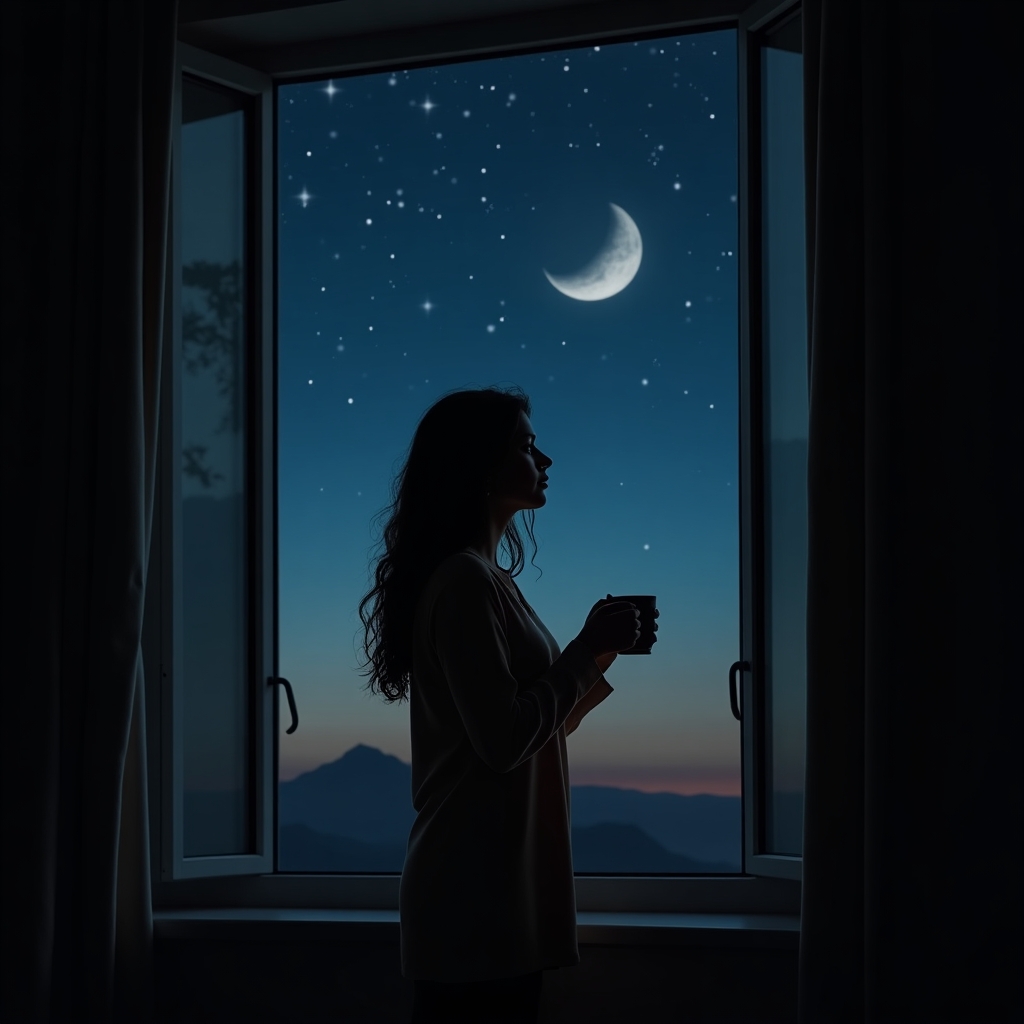
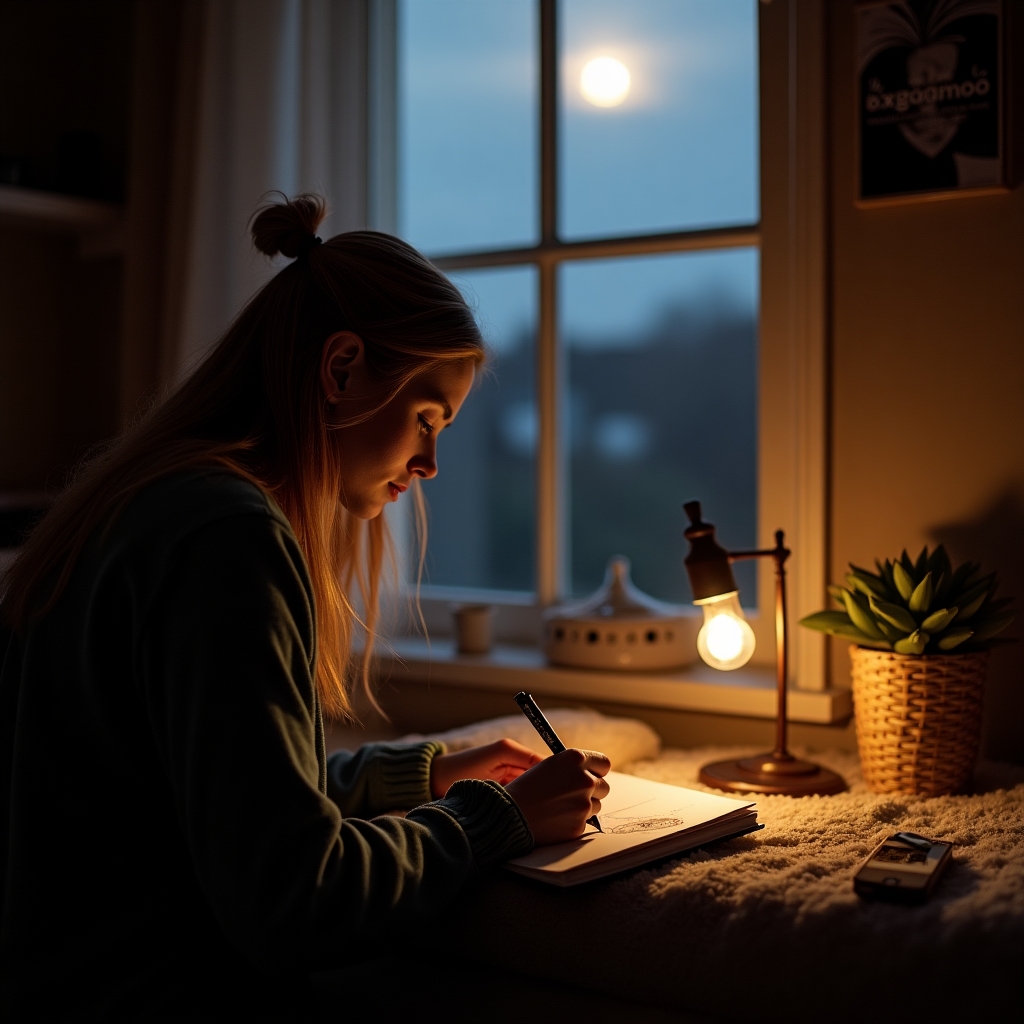
Later that evening, after Mark had gone to bed, she sat by the window with the sketchbook open on her lap. Moonlight spilled across the pages, inviting, soft. With a deep breath, she began to draw, her pencil skimming the paper. Lines flowed into shapes, and shapes into forms, and as she drew, Anna felt an old, forgotten part of herself awaken.
The act was small—sketching quietly in the dark—but it was powerful. It was an assertion, a claiming. Each stroke was a whispered but firm declaration of self.
She didn’t stop drawing until the first light of dawn crept into the room, and though her hand was tired, her heart felt profoundly alive.
This was just the beginning.