


Sara stood at the kitchen sink, hands immersed in soapy water as she scrubbed away the remnants of last night’s dinner. The early morning light streamed through the window, casting a muted glow across the countertop. Her husband, Tom, sat at the table, buried in the newspaper, his coffee steaming next to him. The room was silent except for the occasional rustle of paper.
This was their morning routine—predictable, almost mechanical. The kitchen felt smaller these days, like it was closing in on her, as if every corner was filled with unsaid words and unexpressed feelings.
“Sara, did you remember to call the plumber about the sink in the bathroom?” Tom asked, not lifting his eyes from the business section.
“I will today,” she replied, her voice even.
“Good. We can’t keep having it leak like that.”
She nodded, rinsing the last plate and placing it on the drying rack. They used to talk more, about dreams and plans for the future. Now, conversations were reduced to logistics and necessities.
Sara dried her hands and headed upstairs to get ready for work. She passed by the full-length mirror, barely glancing at her reflection. Her hair, pinned back as usual, framed a face that had learned to mask its emotions well.
On her way to the office, Sara replayed the morning in her mind. Each interaction felt like an echo of the previous day, a monotonous rhythm she had grown accustomed to. Her mind drifted back to simpler times, before she had given up so much of herself in an attempt to keep the peace.
Work was much the same—efficient but uninspiring. Her coworkers exchanged pleasantries, but Sara kept mostly to herself, her thoughts often wandering to places of ‘what ifs.’
Lunch breaks were the time she cherished most, a brief respite where she could escape into her thoughts. Today, sitting under the oak tree behind the office, she noticed a small bud peeking through the soil. The sight caught her off guard, reminding her of the resilience of life, and in a way, her own.
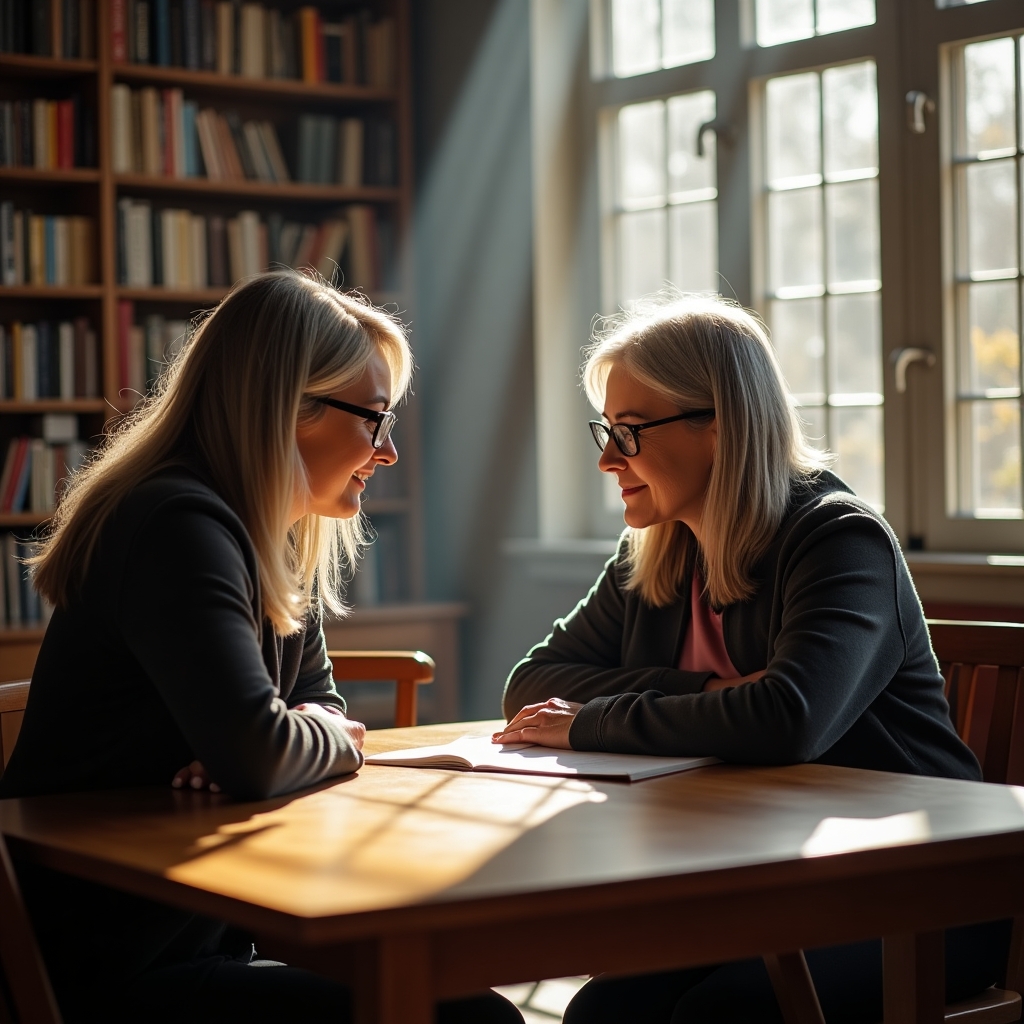
After work, Sara stopped by the local library, a place she hadn’t visited in years. The smell of old books and the quiet hum of the space offered a strange sense of comfort. She wandered through the aisles, her fingers lightly brushing book spines, until one title caught her eye: “The Quiet Bloom.” She pulled it out and read the blurb. It was a novel about a woman rediscovering herself after years of living in the shadows of others.
For reasons she couldn’t fully articulate, Sara checked it out, tucking it under her arm as she headed back to her car. The drive home was quiet, but her mind felt unusually active, the seeds of thought taking root.
At dinner, the silence between her and Tom felt heavier. She noticed every clink of the fork against the plate, every sip of wine. And then, finally, she spoke.
“Tom, I was thinking of taking a pottery class.”
He looked up, brow furrowed slightly. “Pottery? Since when were you interested in that?”
“I’m not sure. But I saw a flyer, and it seemed… interesting.”
He shrugged, returning to his meal. “If it makes you happy.”
The conversation ended there, but the realization that she could want something for herself, that she could pursue it, was a whisper of a new beginning.
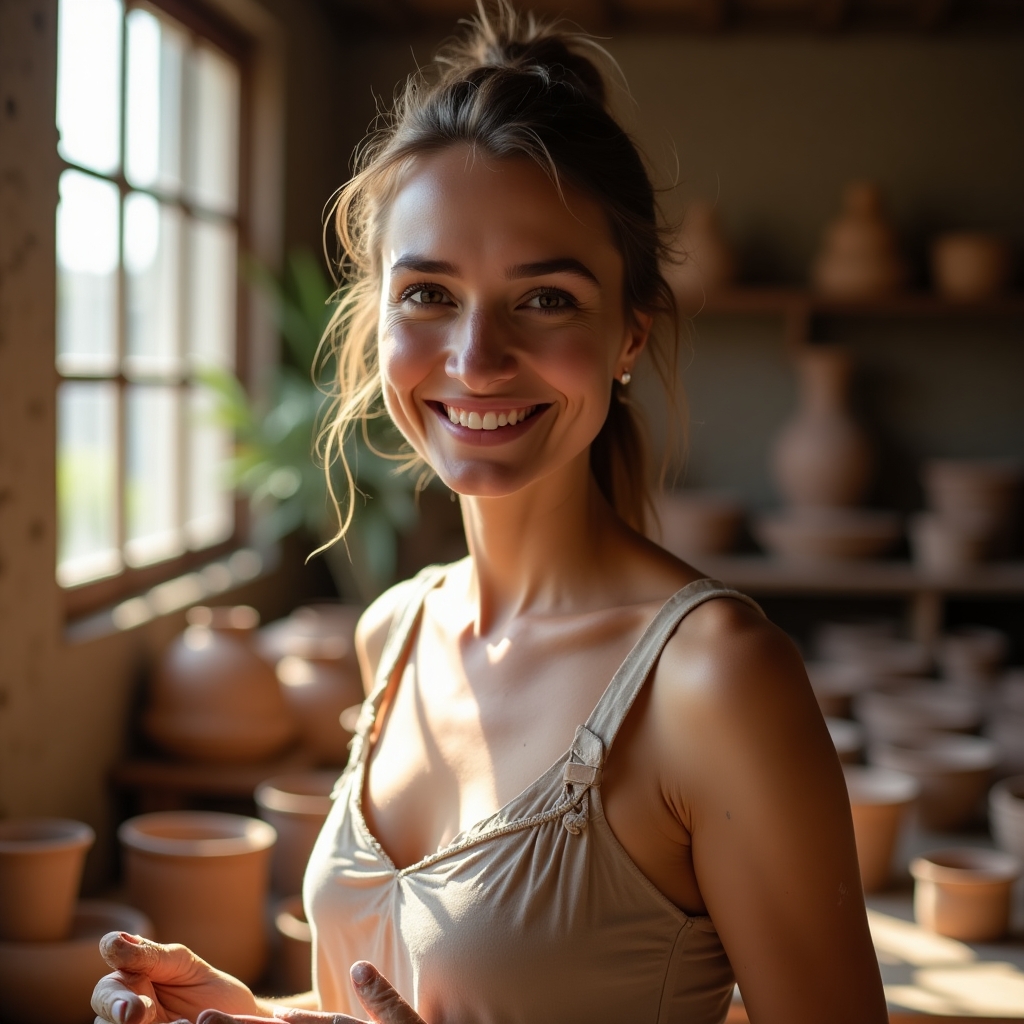
Sara enrolled in the class the next day. The studio, with its clay-covered surfaces and earthy smell, felt like an oasis. Her instructor, a bohemian woman with a kind smile, guided her hands gently over the spinning wheel, encouraging her to mold and shape as she pleased.
Each class was a revelation, a space where she felt free to create without judgment or expectation. Gradually, the clay pots and bowls she crafted became symbols of her growing courage.
One evening, as she carefully packed her latest creation to take home, a woman from the class approached her.
“You have a real talent for this,” she said warmly.
Sara smiled, a genuine warmth spreading through her. “Thank you. It’s been… enlightening.”
When she arrived home, Tom was watching television. She placed the pot on the mantle, its asymmetrical form proudly on display.
“Is this what you’ve been making?” Tom asked.
“Yes,” she replied, standing a little taller.
“It’s… different.”
For the first time, she didn’t second-guess or shrink under the weight of his opinion. Instead, she smiled. “I think so too.”
That night, lying in bed, Sara felt a subtle shift within her. She was no longer waiting for permission to exist on her terms. Her thoughts danced with possibilities, and for the first time in years, she felt truly awake.
The following weekend, Sara found herself in the garden, her fingers digging into the earth as she planted rows of seeds. Each was a promise to herself, a commitment to nurture not only the plants but her own spirit.
And as the sun dipped below the horizon, painting the sky in hues of pink and orange, Sara realized she was finally beginning to reclaim her autonomy. It was a small act of liberation, but it was hers, and it was powerful.