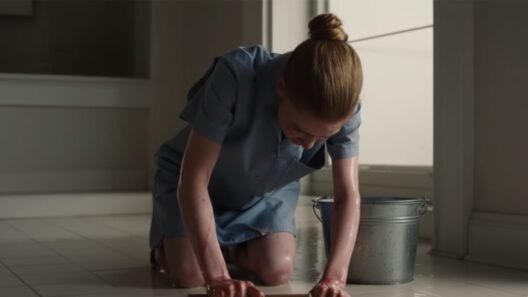


The rain drummed lightly against the windowpane of Lily’s small kitchen, a familiar backdrop to her Sunday afternoon ritual of tidying the house while her husband, Tom, reclined in the living room watching sports. This had been her life, neatly compartmentalized within the walls of her suburban home. She moved robotically, collecting loose magazines and fluffing couch cushions, her mind straying to an echo of a life she barely remembered — a time when her laughter was not stifled by the fear of inconvenience, and her dreams were not shadowed by duty.
It was during these moments of quiet solitude that Lily felt the sting of her own suppression. She had been the dutiful daughter, the compliant wife, her own voice slowly eroded by the expectations of others. Her mother’s words echoed in her mind, a mantra she could never quite silence: “A woman’s place is to keep peace in the family, Lily. It’s a noble responsibility.”
Today felt different, though. The rain brought a solemn kind of clarity. As she wiped down the kitchen counters, she noticed a crack in the tile, small and faint but persistent. It reminded her of herself, of the fracture lines that were appearing more often in her carefully constructed world.
“Lily, can you get me a beer?” Tom’s voice cut through her reverie, a reminder of her assigned role.
“In a minute,” she replied, her voice steady yet distant.
She paused, the fridge humming softly beside her. She closed her eyes and let the sounds wash over her, the patter of rain, Tom’s indistinct commentary on the TV, and the soft clinks from the wind chimes outside. All these felt like a symphony of her life, playing on a loop.
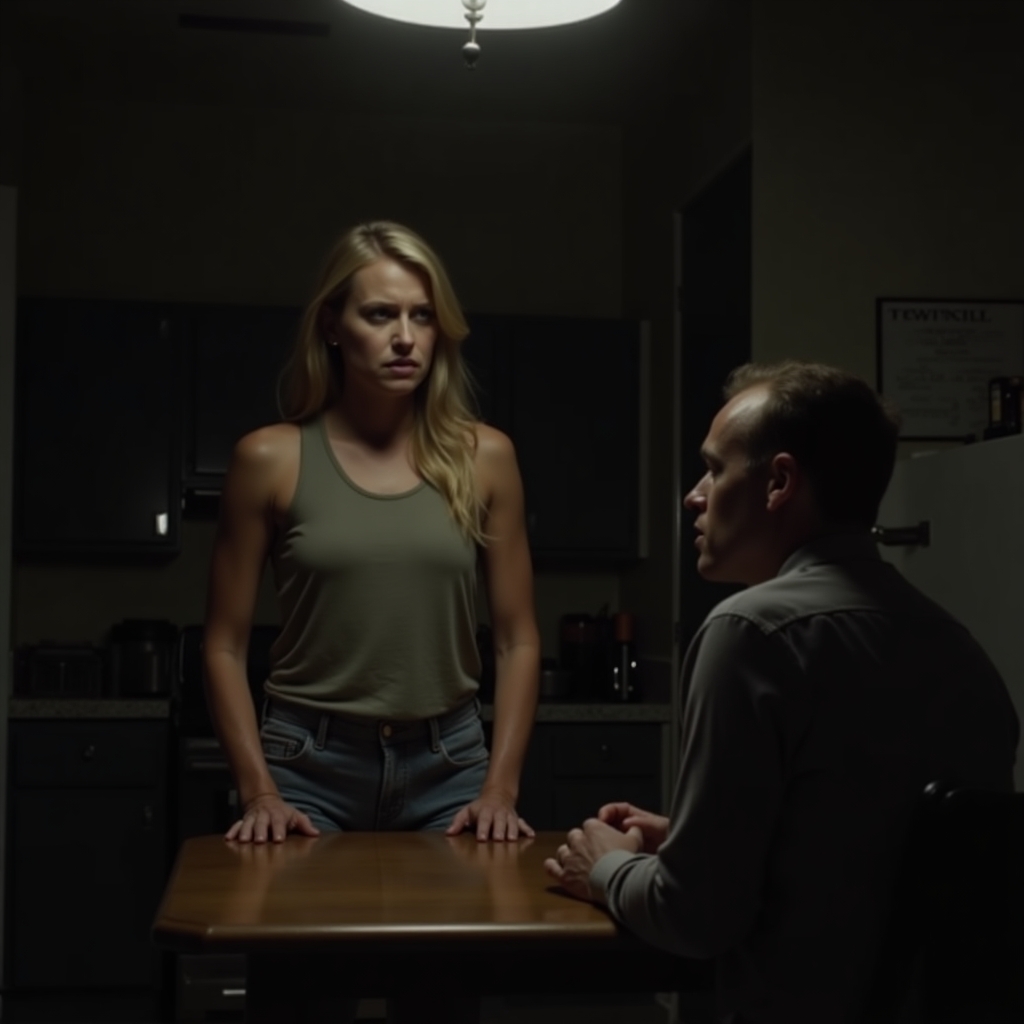
Later that evening, as they sat at the dining table, the conversation drifted to their plans for the upcoming holidays. Tom’s family, a sprawling clan of boisterous relatives, expected their attendance. Every year, Lily felt like an outsider, her attempts to engage often overshadowed by Tom’s more vocal siblings.
“You should really bake another one of your pies for the dinner,” Tom suggested, his tone laced with assumed consent.
“I was thinking of doing something different this time,” Lily replied, almost surprising herself with the firmness in her voice.
Tom looked up from his plate, eyebrows raised. “But everyone loves your pie, Lily.”
“I know,” she replied softly, “but I don’t love making it. I thought I’d try something else that I enjoy.”
“It’s not that big a deal,” Tom shrugged, brushing off her words with a wave of his hand.
But it was a big deal to Lily. It symbolized every small choice she had surrendered, every fragment of herself she had given away without protest. The conversation lingered with her long after the table was cleared, her thoughts like leaves stirred by a restless wind.
As the days passed, something in Lily began to shift. She found herself standing longer by the window, gazing at the world outside, wondering what lay beyond her immediate horizon. She started taking small walks alone, relishing the crisp air and the solitary path.
It was on one such walk that she ran into Mary, an old college friend she hadn’t seen in years. Their conversation was light yet invigorating. Mary spoke of her travels, her art classes, and the small joys she allowed herself. “Why not?” she said with a laugh that was infectious, “Life is too short to be lived unhappily.”
That night, Lily lay awake, Mary’s words intertwined with her own burgeoning resolve. She realized she needed to reclaim her autonomy, to become a full person instead of the fragmented shadow she felt she had become.
The next morning, the sun broke through the clouds, casting a warm glow across her bedroom. For the first time in years, Lily felt a sense of anticipation mixed with nervous energy.
“Tom,” she said over breakfast, her voice steady and clear, “I’ve decided to join a book club.”
“A book club?” Tom glanced up, surprised.
“Yes, I’ve always loved reading, and I think it would be nice to meet new people and discuss things I’m passionate about,” she continued, her words unfurling like a long-contained breath.
Tom studied her for a moment, his fork paused mid-air. “If it makes you happy,” he said finally, with a shrug.
And just like that, the weight of unspoken dreams began to lift. It was a small decision, a quiet act of claiming her space in the world, but it felt monumental. Over the following weeks, Lily found herself more at ease, her conversations with Tom more vibrant, her laughter more genuine.
She still made the pie for the holiday dinner, but she also brought a new dish — a rich, aromatic stew she had wanted to try for years. It was a hit, and as the family praised her efforts, she caught Tom’s eye across the table. He nodded slightly, an unspoken acknowledgment of her newfound voice.
As they drove home that evening, Lily watched the passing streetlights flicker against the darkened sky, each one a beacon lighting the path to her future. She tucked a strand of hair behind her ear, feeling the cool press of the window against her cheek, and allowed herself a small, hopeful smile.