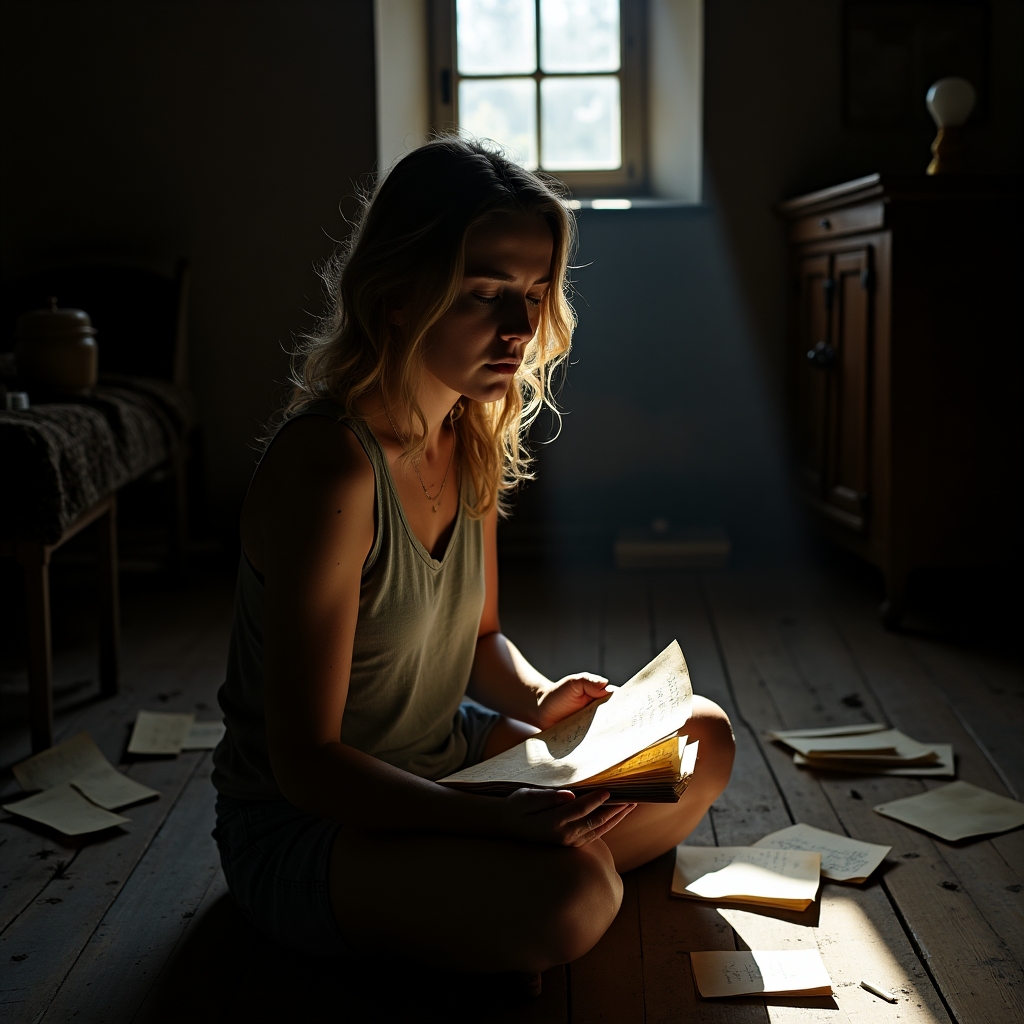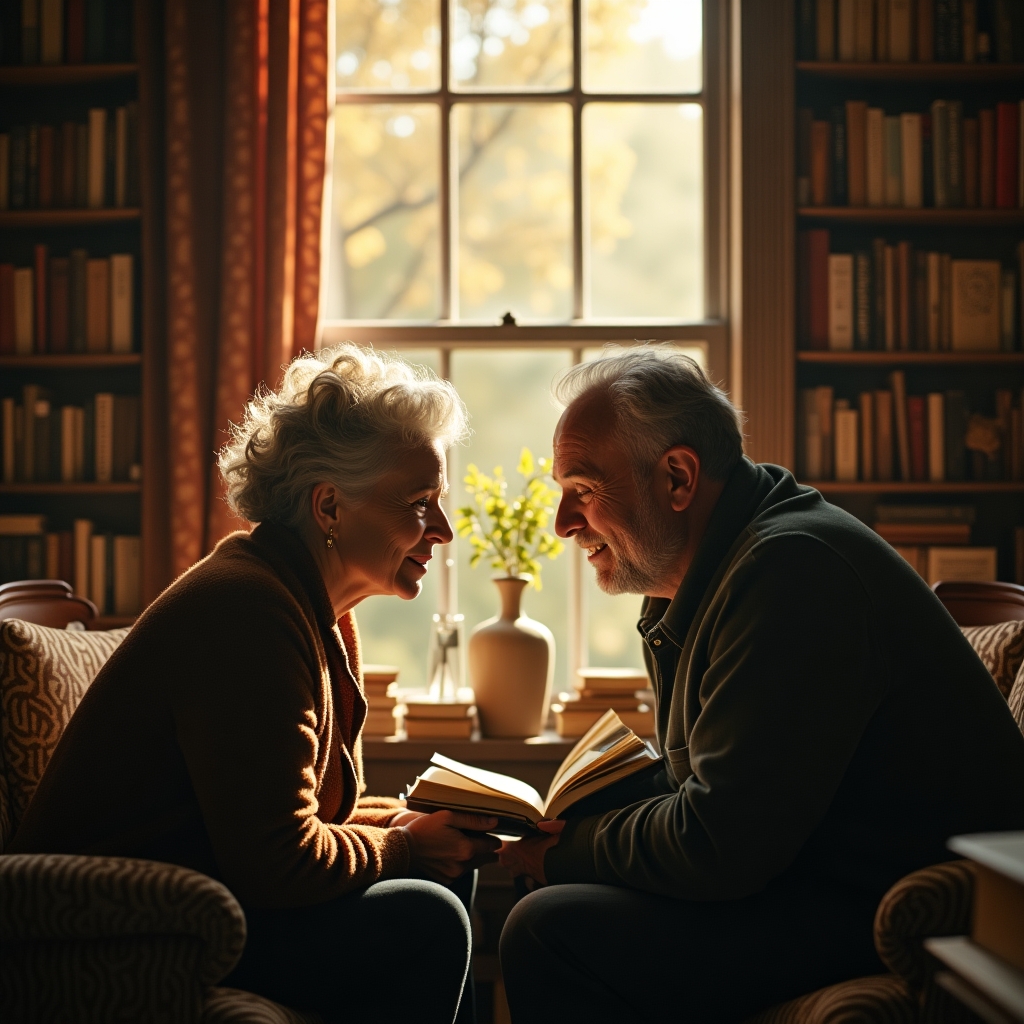
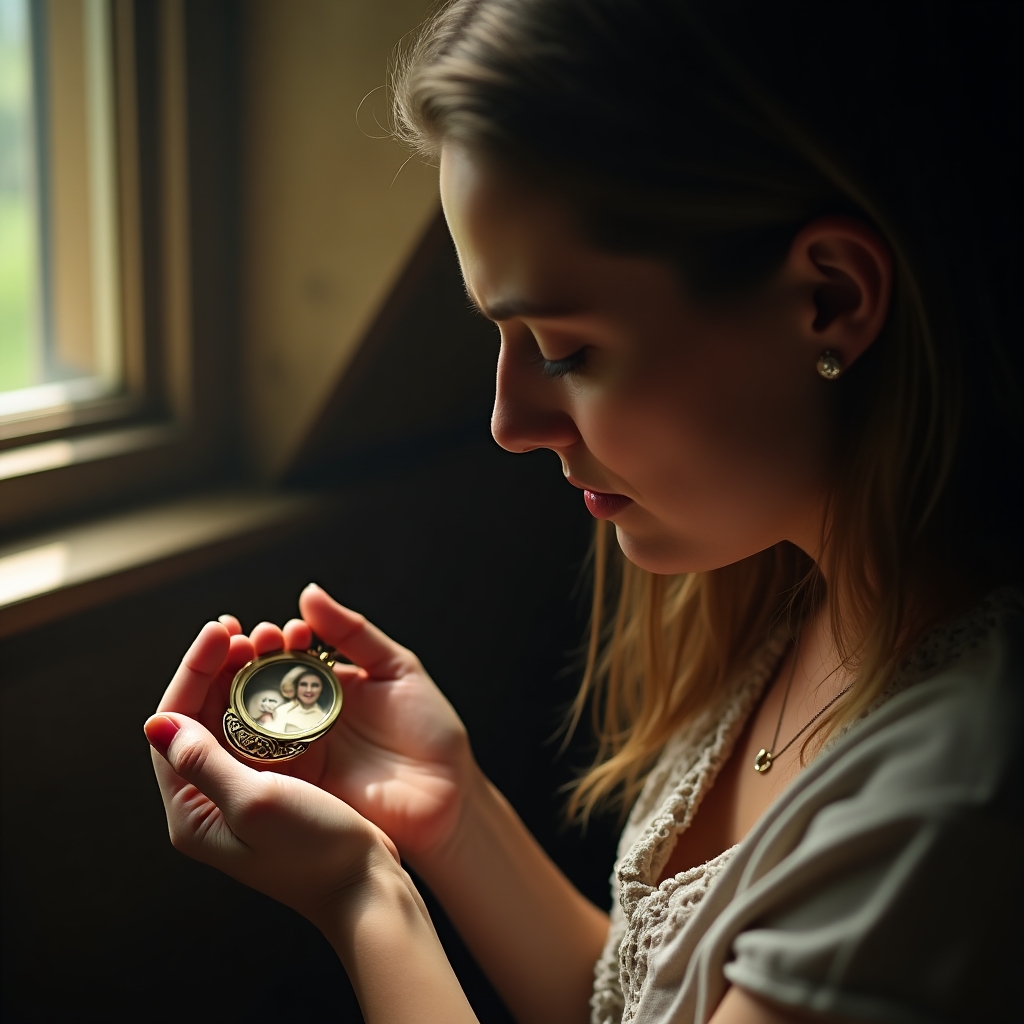


Lena sat on the windowsill of her small apartment, gazing out at the bustling street below. The murmurs of the city were a distant hum in her ears, a backdrop to the chaos within her mind. She had grown up in a family that held tightly to their cultural traditions, where respect for elders and the following of familial paths were expected without question. Her parents had emigrated from a small village, bringing with them dreams for their children that were steeped in history and heritage. But Lena’s dreams were different, painted with shades of independence and self-discovery that her family struggled to understand.
It wasn’t that she didn’t appreciate her roots; she cherished the stories her grandmother had told her about their ancestors, tales of resilience and survival that had shaped who she was. But as she pursued her studies in digital art, she felt an ever-growing tension between who she wanted to be and who she was expected to become.
The cultural events her family frequented were a blend of vibrancy and pressure. Each gathering brought forth questions of her future that were laced with implications: would she take over the family business, marry someone from their community, adhere to the customs that had been set out for her long before she was born?
Lena’s parents loved her deeply, and their hopes for her were a reflection of that love. They wanted her to have stability, to be surrounded by a supportive community, to carry on the legacy they had worked so hard to build. But the path they envisioned felt like a chain around her ankles, keeping her from exploring the world in the way her heart yearned for.
Most nights, Lena would sit in front of her laptop, creating digital worlds filled with the colors and textures that mirrored the duality of her existence. These artworks were her escape, where she could be both the dutiful daughter and the free spirit, a fusion of old and new.
Her friends noticed the quietness in her eyes, the way she would fall silent during discussions about future plans. They rarely pressed her, understanding that some battles were fought in solitude. It was an unspoken support, a presence rather than a push.
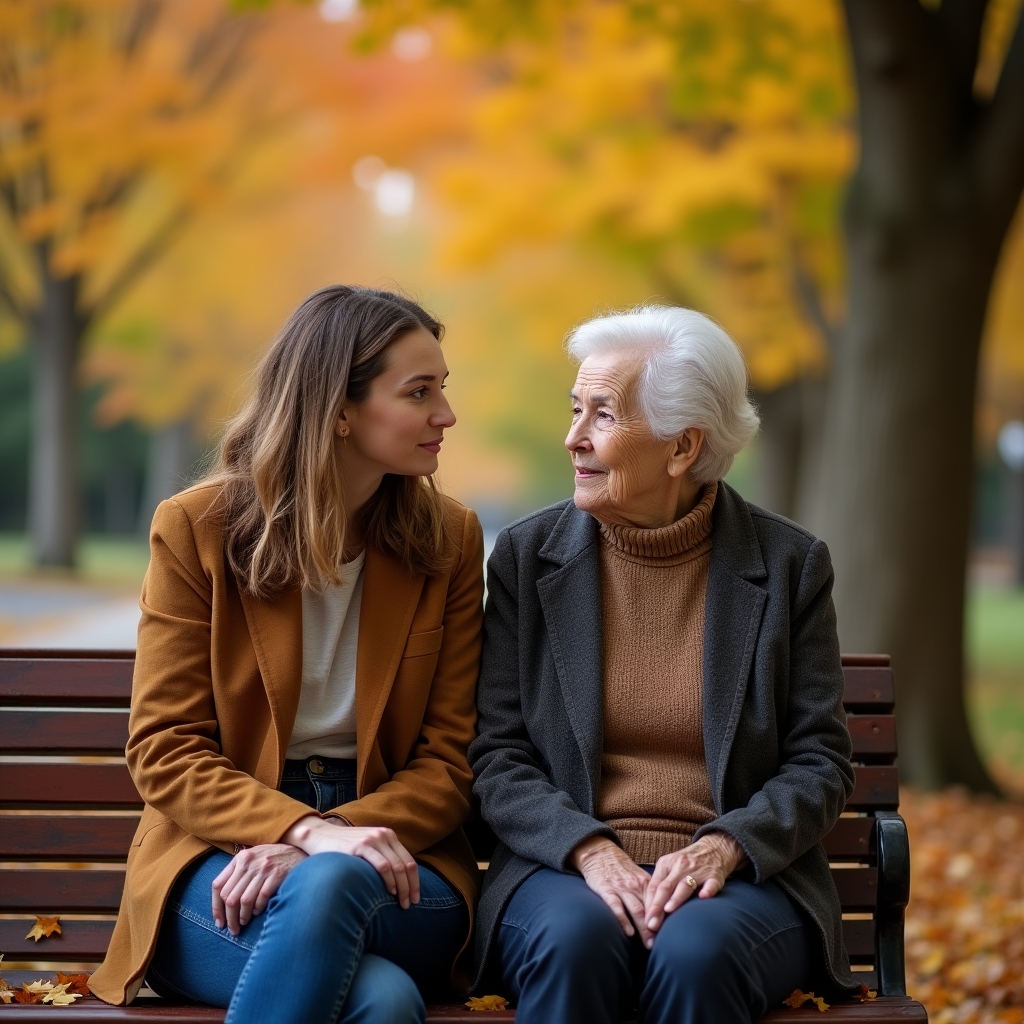
As the pressure mounted, Lena found herself frequently retreating to her favorite spot—a quiet bench in a small park near her apartment. It was here, under the rustling leaves, that she felt most at peace. The park was a sanctuary where she could hear her own thoughts, separate from the expectations that loomed over her.
One afternoon, as she sat enveloped in the gentle embrace of nature, an old woman joined her on the bench. Her eyes were kind, brimming with stories untold. They sat in silence for a long while before the woman spoke.
“You look like you carry a heavy heart,” she said softly, her voice tinged with an understanding that pierced through Lena’s guard.
Lena hesitated, then nodded, surprised by the relief that came with acknowledgment.
“The world your family came from is not the world you are in,” the woman continued, her gaze distant as if recalling her own journey. “Sometimes, it takes the courage of one to heal the bridge between past and present.”
The words resonated with Lena, unlocking something deep within her. She had been so focused on the fear of disappointing her family that she hadn’t considered the possibility of forging her own path without losing them. It was not a choice between one or the other; it was about blending them into a harmony that was uniquely hers.
As she walked back to her apartment, Lena felt a clarity that had been elusive for so long. She realized that her family’s expectations were not chains but threads in the tapestry of her identity. She could honor them without being bound by them.
That evening, Lena faced her parents with newfound resolve. They listened quietly as she shared her dreams, her fears, and the truth she had unearthed. There were tears and moments of silence, but in the end, there was also understanding.
In the weeks that followed, Lena began to weave her own story, one that embraced both her heritage and her individuality. Her art flourished, reflecting the harmony she had found within herself. She discovered that emotional courage was not about defiance but about honesty, and loyalty was not submission but a celebration of connection.
Throughout her journey, Lena learned that the quiet between two generations could be a place of healing. It was here, in this space of acceptance and love, that she found her voice.