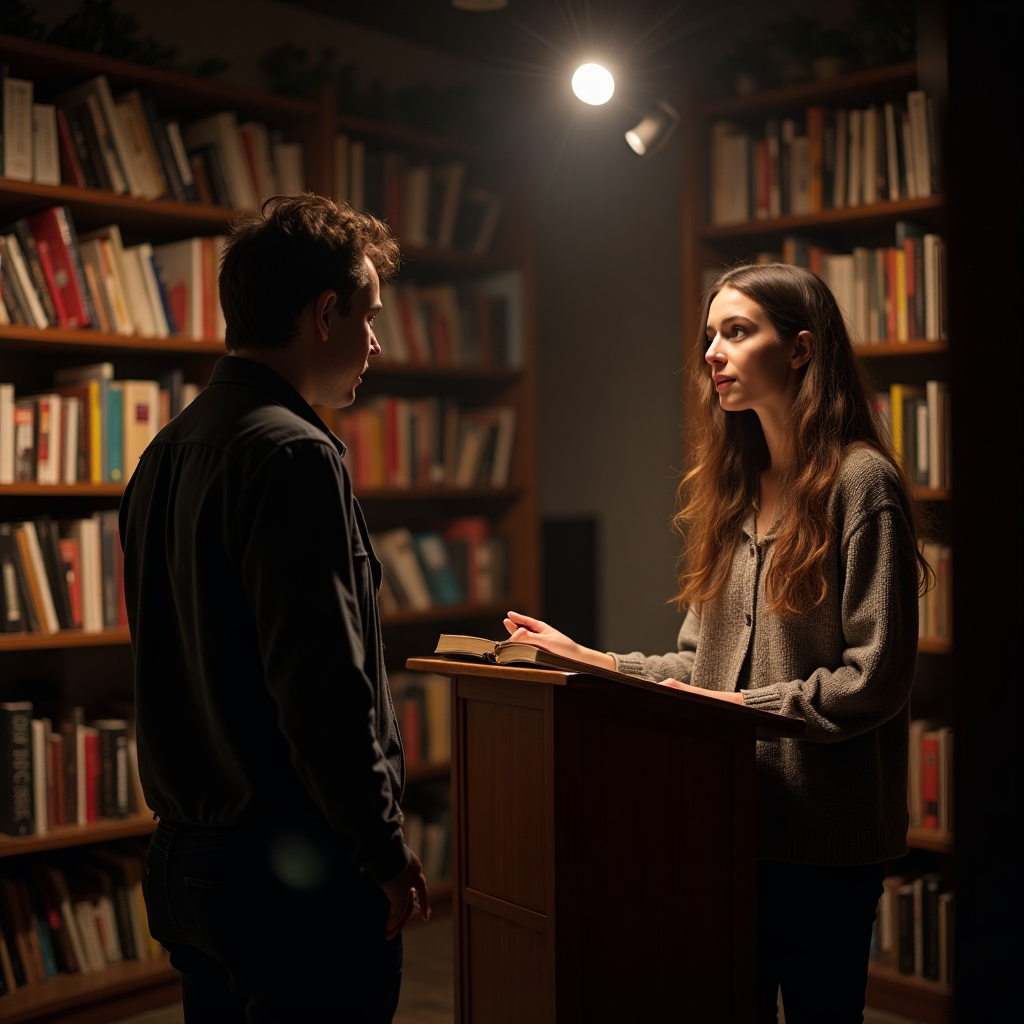





Emma stood by the kitchen sink, absentmindedly washing dishes under the dim glow of the single overhead bulb. The steady rhythm of water on porcelain was the only sound in her small, cluttered apartment. She glanced at the clock. It was nearly midnight. Her husband, Matt, was asleep on the couch, the television casting a flickering blue light over his face. It was a scene that had grown all too familiar.
Their conversations had become muted exchanges of necessity—questions about groceries, bills, and weekend plans. Her life felt like a series of repetitive tasks orchestrated by expectations she no longer remembered choosing. Emma’s thoughts drifted to her mother, another woman whose life had been marked by quiet resignation. It was her mother who first taught her that speaking up often brought more trouble than it was worth.
The phone rang, jolting Emma from her thoughts. She dried her hands on a dishtowel before answering. It was her brother, Mark.
“Hey, Emma,” he said, his voice warm and inviting. “I was just thinking about you. We haven’t seen you in a while. Why don’t you come over for dinner this weekend?”
Emma hesitated. Family gatherings were a delicate dance of polite conversation and hidden judgments. But Mark was different. He had always been her confidant, the one person who understood the internal tug-of-war she constantly faced.
“I’ll try,” she replied, noncommittal.
“Please do,” Mark insisted. “We miss you.”
After hanging up, Emma turned back to the sink and watched as the last dish disappeared beneath the suds. She felt the familiar weight of guilt mingling with an insistent whisper that she deserved more than this.
The next morning, Emma awoke to the sound of Matt’s razor humming in the bathroom. She stared at the ceiling, her mind replaying her conversation with Mark. The day unfolded in its usual pattern—breakfast, work, dinner—and yet, a small ember of determination smoldered within her.
At work, Emma found herself reaching out to a colleague, Lisa, who always seemed so self-assured and content. During lunch, they sat on a bench outside, the crisp air carrying the scent of autumn leaves.
“You always seem so… in control,” Emma began, her voice barely audible.
Lisa smiled, a knowing look in her eyes. “It wasn’t always like this,” she confessed. “It took me years to understand that my happiness was my responsibility, that I couldn’t wait for someone else to grant me permission to live my life.”
Emma nodded, taking in Lisa’s words with a thirst she hadn’t realized she had. She felt the weight of her own complacency, the silent acceptance of her circumstances, and knew that it was time for a change.
That evening, Emma prepared dinner, her mind set on a new resolve. Once Matt was settled on the couch, she gathered her courage and spoke.
“Matt, I’ve been thinking,” she began, surprised at the steadiness of her voice. “I want to start taking some art classes.”
He looked up, a trace of amusement in his eyes. “Art classes? Where did that come from?”
“It’s something I’ve always wanted to do,” Emma explained, her voice gaining strength. “I think it’ll be good for me.”
Matt shrugged, indifferent. “If that’s what you want.”
The following Saturday, as Emma prepared to leave for Mark’s house, she felt a mix of nervous excitement and newfound freedom. The drive was filled with the bright colors of autumn, the trees lining the road like silent sentinels witnessing her transformation.
Mark’s house was warm and inviting, filled with the laughter of his children. As she sat among them, Emma felt a sense of belonging she hadn’t experienced in years.
Later, as she helped Mark clear the table, he paused and looked at her. “You seem different,” he observed.
Emma smiled, realizing that she was finally beginning to reclaim her own story. “I think I am,” she replied.
On the drive home, Emma reflected on her small yet significant decision. It was the first step toward embracing her autonomy, and she felt lighter, more herself. The road stretched out before her, full of possibilities she was finally ready to explore.