




Lucy had lived in the small, two-bedroom house on Pine Street for nearly ten years. It was her parents’ home, a place where she returned after college, and somehow never managed to leave. Her life had fallen into a steady rhythm of familiarity, days marked by the quiet suffocation of unspoken expectations and the echo of her own silenced dreams.
Her mother, Karen, was a woman of silent authority. She had a way of expecting much without the utterance of a single word, her demands wrapped in the guise of maternal concern. Her father, Robert, was the peacekeeper, more shadow than presence, nodding along with the sway of Karen’s will.
It wasn’t that Lucy was unhappy, not exactly. It was more that she lived in the liminal space between dutiful daughter and invisible woman, her own desires locked away, rarely acknowledged even by herself.
Most days, she worked at the nearby library. The quiet resonance of pages turning was a balm, a reminder that stories had endings, and perhaps hers might one day change. But the evenings and weekends were a different matter. Lucy found herself folded into the routines of her parents, each Sunday dinner a ritual, each holiday a marathon of obligatory conversations.
One Sunday, as Karen commented on her latest knitting project, her eyes flicked over Lucy’s untouched plate. “You should eat more, Lucy,” she said, her voice smooth as glass. “You’re looking too thin.”
Lucy glanced down at her plate, soup cooling in its bowl. “I’m not really hungry, Mom,” she replied, forcing a smile.
“Are you sure you’re not coming down with something?” Karen pressed, eyes narrowing slightly.
“I’m fine,” Lucy replied, her voice barely above a whisper. She picked up her spoon to pacify her mother, sipping the broth with mechanical precision.
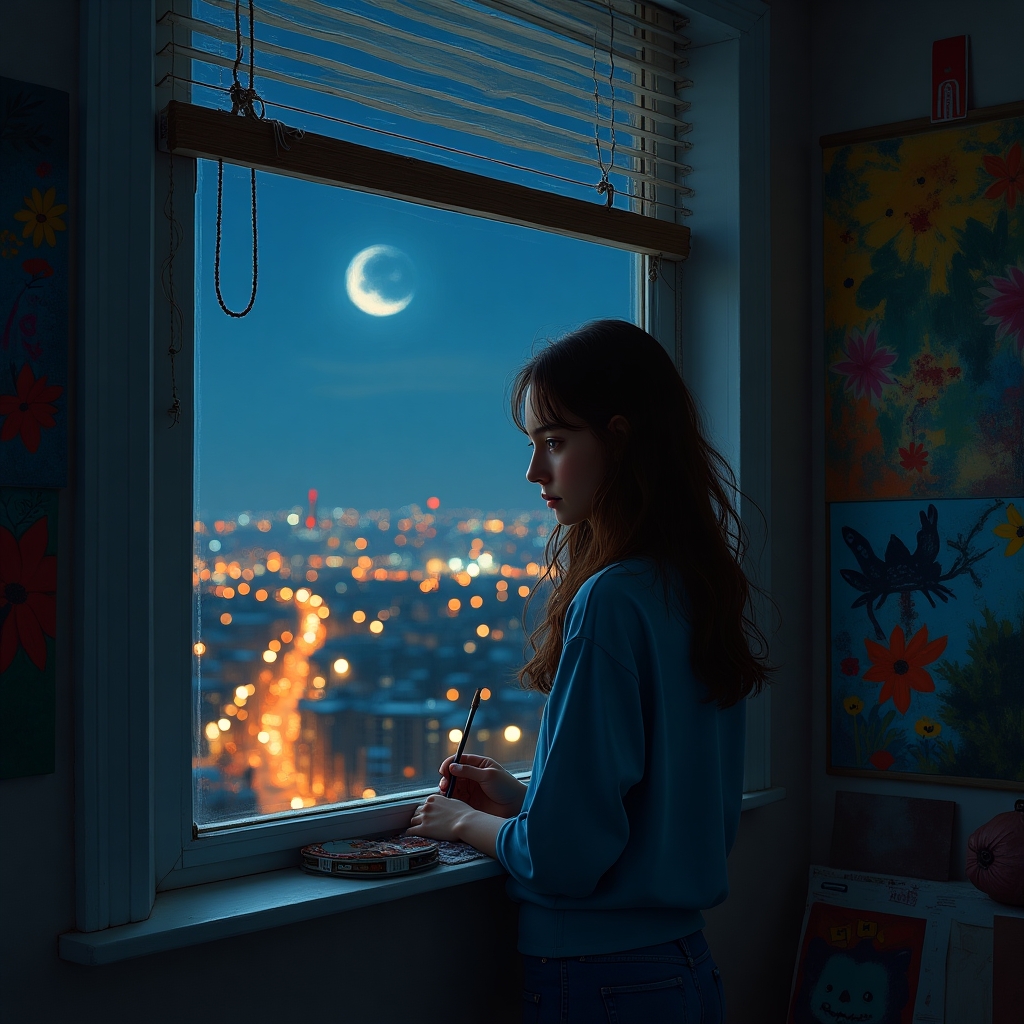
After dinner, Lucy retreated to her room. It was her one sanctuary, albeit one filled with remnants of her past: trophies from high school track, books she’d loved since childhood, and a growing collection of gardening magazines. She closed the door, leaning against it, feeling the familiar weight of quiet dissatisfaction press against her chest.
Her mind wandered to the garden, the one place outside her room where she felt free. It was a small plot in the backyard that her mother had largely ignored, save for the occasional comment about trimming the hedges. Lucy had quietly claimed it over the years, planting flowers, herbs, and a small patch of vegetables.
As winter gave way to spring, Lucy found herself spending more time outside, her hands in the soil, her mind drifting to dreams of something more. The garden became a place where she could breathe, where each seed planted was a small act of defiance, a whisper of autonomy.
One afternoon, as she knelt beside her blossoming tulips, Robert approached her. “Looks nice out here, Lu,” he said, his voice warm but hesitant.
“Thanks, Dad,” she replied, brushing dirt from her knees.
He lingered, shifting his weight. “You ever think about doing something more with it?”
Lucy paused, glancing up at him. “Like what?”
“I don’t know. Maybe selling some of your plants or vegetables at the market?”
She smiled, the idea sparking something inside her. “I’ve thought about it.”
Before she could say more, Karen’s voice called from the house, reminding Robert he had a chore to finish. He gave Lucy a small nod, then disappeared back inside.
That night, Lucy lay awake, staring at the ceiling. Her father’s words had planted a seed in her mind, and she found herself nurturing it with silent hope. The following week, she researched local markets, tentatively exploring possibilities. The idea of creating something of her own, however small, filled her with a quiet thrill.
As spring unfurled fully into summer, Lucy’s garden thrived. Her once solitary project became a sanctuary of growth and color, a testament to her patience and care. One Saturday, she noticed a flyer for the upcoming farmers’ market pinned to the library’s notice board. The date was three weeks away.
Lucy spent the next days in a daze of activity, preparing her plants for sale, labeling pots and arranging transport. She kept her plans quiet, a secret garden of her own making, until the night before the market.
At dinner, she cleared her throat, her heart pounding in her chest. “I’ve signed up to sell some of my plants at the market tomorrow,” she announced, voice steady.
Karen’s fork paused in mid-air. “Oh? I didn’t know you were planning that.”
Lucy nodded. “I’ve been thinking about it for a while.”
“That’s lovely, dear,” Robert chimed in, the corners of his eyes crinkling with pride.
Karen’s smile was tight, her grip on the fork whitening her knuckles. “I hope it goes well. It’s going to be a long day.”
Lucy met her mother’s gaze, feeling the familiar tug of doubt, then shook it off like the soil from her hands. “It will be worth it.”
The next morning dawned crisp and clear. Lucy loaded her car with the plants she had nurtured from seed, the culmination of her silent rebellion. As she drove to the market, she felt a lightness she hadn’t known in years, a quiet assertion that was her own.
Setting up her stall, arranging the pots neatly, the bustling energy around her was electric. Each interaction with a customer, each moment of sharing her passion sparked something inside her that had lain dormant for far too long.
By noon, she had sold nearly all her plants. As she packed up, she felt a sense of achievement that filled her to the brim. The act itself was small, unremarkable to anyone but her, but it was the first step in reclaiming her life, her voice.
The drive home was filled with the hum of possibilities, the road ahead expansive and unwritten. Lucy smiled to herself, gripping the steering wheel with a newfound strength, ready to cultivate her own path.