



A pale winter sun cast long shadows on the snow-covered streets as Emma trudged toward her parents’ modest brick home. She was here for her weekly visit, a ritual she had maintained for the past decade since returning to her hometown. Her life had become a steady pattern of working at the local library, visiting her parents, and fulfilling obligations that seemed to stretch into infinity.
Emma was the eldest of three, the one who stayed behind while her siblings moved on to lives filled with distant cities and bigger dreams. Her parents, particularly her mother, relied on Emma’s consistency. It’s not that they demanded much outwardly, but the expectation was a quiet undercurrent, a soft hum that vibrated through Emma’s daily life.
The familiar creak of the front door announced her arrival. Her mother’s voice drifted in from the kitchen, “Emma? Is that you?”
“Yeah, Mom. It’s me,” she replied, hanging her coat on the hook.
The warmth of the house was a stark contrast to the crisp chill outside. She paused briefly, inhaling the mingled scents of cinnamon and fresh linens. In the kitchen, her mother stirred a pot on the stove, glancing up with a tired but loving smile.
“You’re just in time for tea,” her mother said, gesturing to the kettle whistling softly on the counter.
“Thanks,” Emma said, forcing a smile that didn’t quite reach her eyes.
Emma’s father sat silently at the kitchen table, reading the newspaper. He gave her a quick nod, his usual greeting. Emma filled her days with small talk and quiet chores, helping her mother with this or that as her father dozed in his chair.
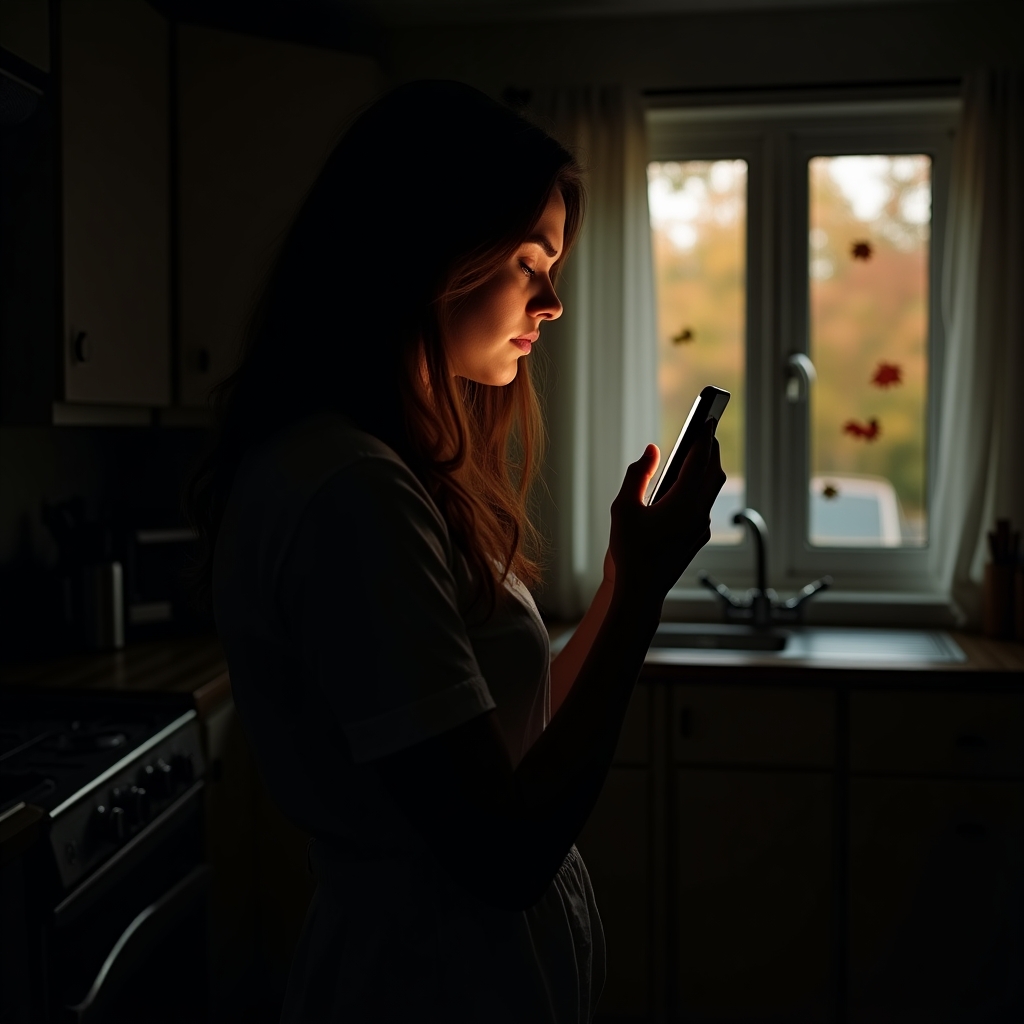
Later, when she was finally alone in her childhood bedroom, Emma sat on the edge of the bed, staring at the familiar walls. Posters of bands she once loved, faded now, stared back, as if questioning why she was still here. Emma felt a tug at the pit of her stomach, a restlessness she couldn’t quite describe. Her phone buzzed, a message from her sister Claire in Vancouver: “Hey, just checking in. How are things?”
Emma hesitated before typing back, “Same old. Nothing new here.”
It was true — and that truth hung over her like a weight she couldn’t shrug off.
The next day at work, Emma buried herself in the tasks at hand. The library was her sanctuary, a quiet space where she could lose herself in stories far removed from her own reality. But as she shelved books, her mind wandered.
In the break room, her coworker David poured coffee, a routine he’d turned into an art form. “Hey, you okay?” he asked, glancing up from the steam.
“Yeah, just… thinking,” Emma replied.
He nodded, not pressing further, and she appreciated that. But later, as she walked home, Emma couldn’t shake David’s concern. Was she okay? Her routine was comfortable, but was comfort enough?
The weekend brought her back to her parents’ house, where they gathered for a family brunch in honor of her brother’s visit. As they sat around the table, her mother guided the conversation through topics of work, weather, and health — all the usual touchstones.
Her brother, Mark, was animated, recounting stories of his life in New York. “You should visit, Emma. Change of scenery would do you good,” he suggested, a hopeful lilt in his voice.
Emma smiled tightly, “Maybe someday.”
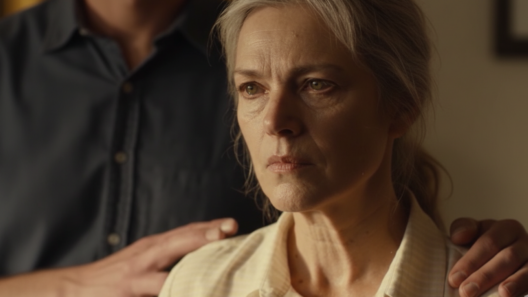
As the conversation drifted on, Emma felt an overwhelming sense of invisibility. Her voice seemed lost amid the clatter of cutlery and the lively banter. It wasn’t that she was ignored, but rather her presence and quiet acquiescence had become expected. A part of the furniture.
That evening, as she helped her mother tidy the kitchen, something in Emma shifted. Her mother, rinsing dishes, said offhandedly, “It’s nice having everyone together. You all turned out so well. I’m glad you’re nearby, dear.”
Emma felt the words land heavily in her chest. She looked at her mother, who had given so much for her family, and realized it was time to give something to herself. Something needed to change.
“Mom,” Emma began, hesitating as her mother glanced over. “I think I need to take some time to explore my own life a bit more.”
Her mother’s hands stilled, the water running. “What do you mean, dear?”
“I’ve been thinking of visiting Claire, maybe even considering a job change.”
Her mother turned off the water, her expression unreadable. “You’d be leaving?”
“Not forever,” Emma assured quickly. “But I think it’s important for me to try something new, find out what else is out there.”
Silence stretched between them, but it wasn’t the tense silence Emma feared. It was contemplative.
“If that’s what you feel you need to do, then do it,” her mother said softly, a hint of melancholy lacing her words.
Emma nodded, a wave of relief washing over her. Suddenly, the room felt brighter, possibilities unfurling, tentative but real.
A week later, Emma stood at the train station, ticket in hand. Her bag was packed with essentials and the promise of new beginnings. As the train approached, she glanced back one last time at the small town that had been her whole world.
The doors swished open, and Emma stepped inside, feeling the weight lift from her shoulders. She settled into her seat, the landscape beginning to change as the train surged forward.
Emma’s phone buzzed; a message from Mark: “Proud of you. Go see the world.”
A smile broke across her face as she replied, “Starting now.” In that moment, Emma felt a stirring of something she hadn’t in years — freedom.