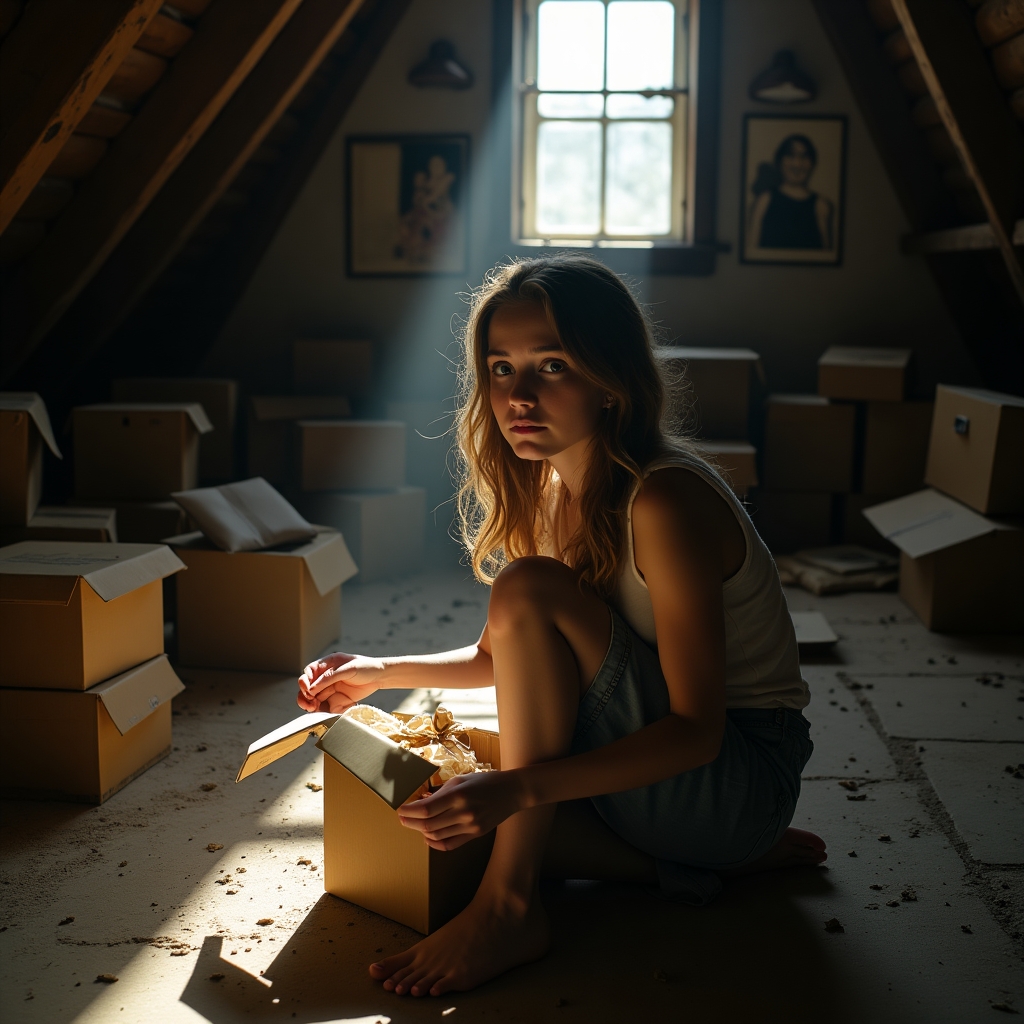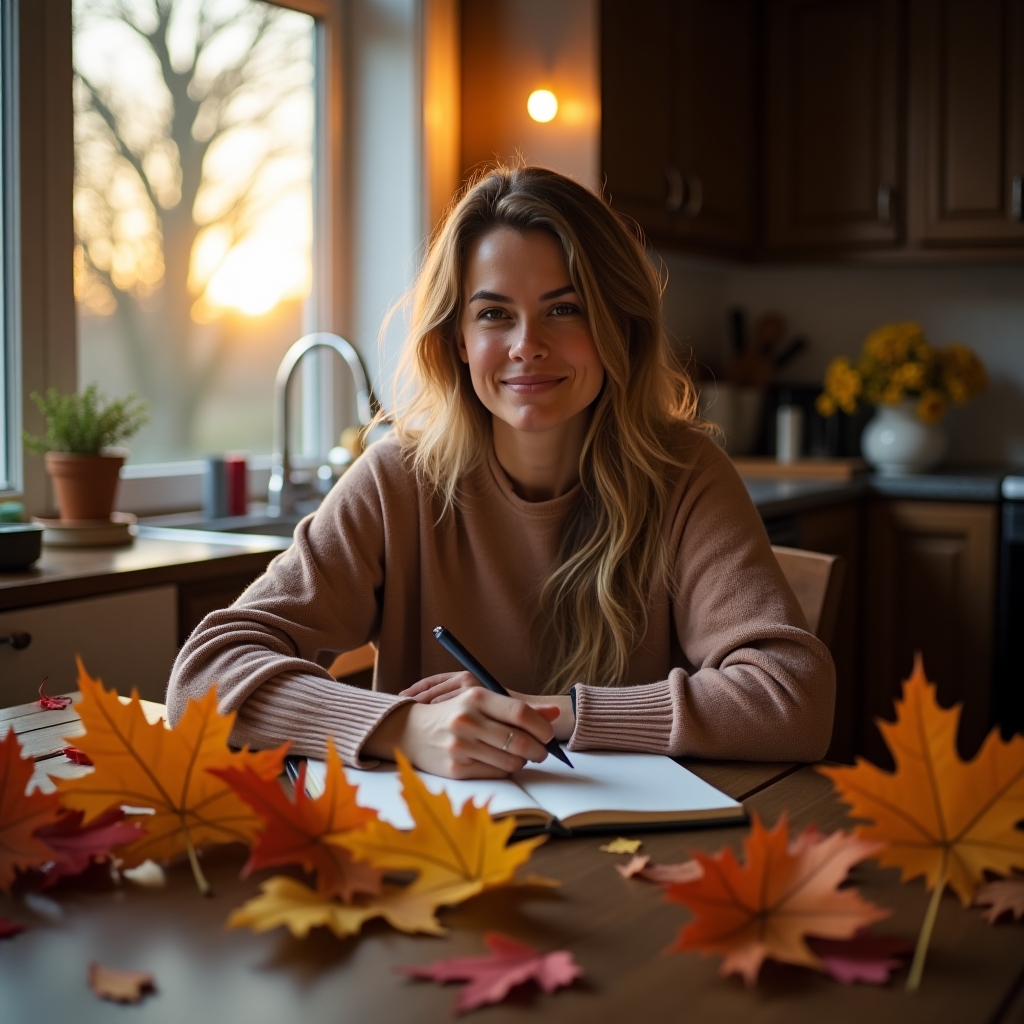


Anaya Mehta sat on the edge of her bed, watching the late afternoon sunlight spill through the lattice of her bedroom window. The shadows danced gently on the floor, weaving patterns that mimicked the intricate henna designs her mother loved so dearly. Since childhood, Anaya had felt those shadows intertwining with her life—elegant, yet binding.
Raised in a traditional Indian family in the United States, Anaya often found herself at the crossroad of two worlds. Her parents had immigrated with dreams sewn into the fabric of their aspirations, bringing with them a deep reverence for their cultural heritage. Anaya, caught in the delicate balance between tradition and modernity, harbored dreams of her own—a career in art and design, far from the engineering path her family had etched out for her.
The Mehtas were a close-knit family, their lives marked by rituals and the collective vibrancy of their community. Anaya’s childhood was filled with the music of sitars, the aroma of masala, and meetings with uncles and aunts who constantly reminded her of the expectations that came with her lineage. With each passing festival, each family gathering, the weight of these expectations grew silently within her.
Her parents, though loving and supportive, had inadvertently woven a tapestry of expectations around her ambitions. ‘You must become an engineer or a doctor,’ her father often advised, his voice laced with the certainty that accompanied years of struggle. Her mother echoed these sentiments with a gentler tone, ‘For stability, beta. For the family’s pride.’
Anaya excelled in mathematics and science, not because it was her passion but because she believed it would please them. Yet, her heart danced to a different rhythm—a secret love for sketching intricate designs, creating patterns as beautiful as the henna she admired. Only her sketchbook knew the whispers of her heart, hidden from the watchful eyes of her family.
The pivotal moment arrived unexpectedly on a quiet Sunday morning, a day like any other, yet carrying an undercurrent of change. Anaya’s mother had invited some friends over for brunch, a usual affair marked by warm laughter and idle chit-chat. As the aroma of chai wafted through the house, Anaya’s mother called for her to join, with a nudge towards socially acceptable topics—education, marriage prospects, and career paths.
Amidst the laughter and stories, one of the aunties turned to Anaya, asking about her future plans. The usual answers poised at the tip of her tongue suddenly felt heavy. ‘I haven’t yet decided,’ she mumbled, her voice barely audible.
‘Engineering or medicine, perhaps?’ the auntie pressed, eyeing her with curiosity.
Anaya felt a quiet wave of frustration bubble beneath her calm demeanor. Her silence stretched awkwardly, a stark contrast to the animated conversations around her.
It was in the quiet space of this moment, amidst the clinking of teacups and clattering dishes, that Anaya’s heart spoke louder than her fears. As she glanced around, her eyes landed on her sketchbook, partially hidden beneath her academic textbooks on the nearby table. There, in that simple image of her dual worlds, clarity emerged.
The realization was not sudden but a culmination of years of silent struggle—a gentle awakening. She understood that while she loved her family deeply, her own happiness could no longer marinate in the shadows of their expectations.
Later that evening, with the house quiet and the stars casting a gentle glow through her window, Anaya sat down with her parents. Her voice, though soft, carried the strength of conviction she had long believed dormant.
‘Mom, Dad,’ she began, ‘I want to talk about my future.’ Her parents turned to her, expressions of curiosity mixed with concern.
‘I love engineering and medicine because you love them,’ she continued, ‘but my heart belongs to art. I want to be honest and true to myself. I hope you can support me in pursuing design.’
Silence loomed, but it was not oppressive. Her parents exchanged glances, their expressions a blend of surprise and quiet reflection. Her mother, after a long pause, spoke first.
‘Anaya, we will always love you, no matter what you choose,’ she said softly, her words a balm for Anaya’s conflicted heart.
Her father’s response was slower, but his eyes were gentle. ‘We wanted what we thought was best for you,’ he admitted. ‘But perhaps it’s time to trust in what you believe is best for yourself.’
In the quiet aftermath of that conversation, Anaya felt a release—a deep exhale of anxiety she hadn’t realized she was holding. The shadows on her walls didn’t change, but the way she perceived them did. They were no longer chains but beautiful reminders of where she came from and the courage it took to honor her truth.
In choosing her path, Anaya had found her voice, and in doing so, opened a door not just to her future, but to a new understanding and dialogue with her family. It was a beginning, a quiet revolution within her heart that sang of hope and healing.