




Leena walked the narrow streets of her hometown, the air crisp and alive with the scent of impending rain. The pastel hues of the homes lined in neat rows were familiar, each curve and corner holding remnants of childhood play and whispered secrets. Today, the streets seemed quieter than usual, as if holding space for her swirling thoughts.
The town was a small coastal enclave, where waves endlessly lapped against the rocks, a constant rhythmic backdrop to the lives of its residents. Here, traditions ran deep, and familial ties were woven tightly into the fabric of daily life. As the eldest daughter of the Patel family, Leena was raised with clear expectations: to study diligently, marry respectably, and uphold the family’s honor.
Yet, a quiet rebellion simmered within Leena. She had pursued her studies with vigor, not to comply, but out of genuine curiosity and love for literature—her imagination was a sanctuary, the only place where she felt truly free. She had returned home after university, a period marked by a newfound awareness of self, only to find the weight of her family’s expectations pressing upon her more heavily than ever.
Her parents, loving and steadfast, envisioned her future as an extension of their lives—a continuation of the lineage in which daughters served as anchors, not sails. They spoke of a suitable match, a young man from a good family, respected, stable. His image was presented with pride, yet to Leena, it was a portrait devoid of color, lacking the vibrancy she yearned for.
Leena’s internal conflict was a hushed battle. She navigated the intricacies of her emotions with the same meticulous attention that she applied to literary analysis. In her mind, weighed the scales of duty and desire, each balanced precariously, swaying with every thought of her own independence.
She often found herself in the attic of her childhood home, where dust motes danced in the slanted rays of afternoon sun. It was her haven, a place where she could unfurl the tangled threads of her thoughts. Shelves lined with books from her youth provided solace, their dog-eared pages and underlined passages resonating with her silent struggles.
One book in particular, “The Awakening” by Kate Chopin, called to her during these moments of introspection. Its protagonist, a woman seeking freedom from societal constraints, mirrored Leena’s own journey. She would trace the lines with her finger, as if hoping to absorb the strength of the words through her skin.
On a particularly stormy evening, the rain pounded against the roof, a percussive soundtrack to her turmoil. Leena sat in the attic, the dim glow of a single bulb casting flickering shadows. Her eyes were drawn to the window, where raindrops raced each other in chaotic rivulets. A sudden clarity washed over her—the realization that her life was not a story penned by her parents, but one she could write herself.
She stood, her heart pounding with newfound resolve. The quiet tension that had cocooned her was replaced by an emotional clarity that burned bright within her chest. She would speak her truth, not in defiance, but in authenticity—a reconciliation of her personal values with cultural expectations.
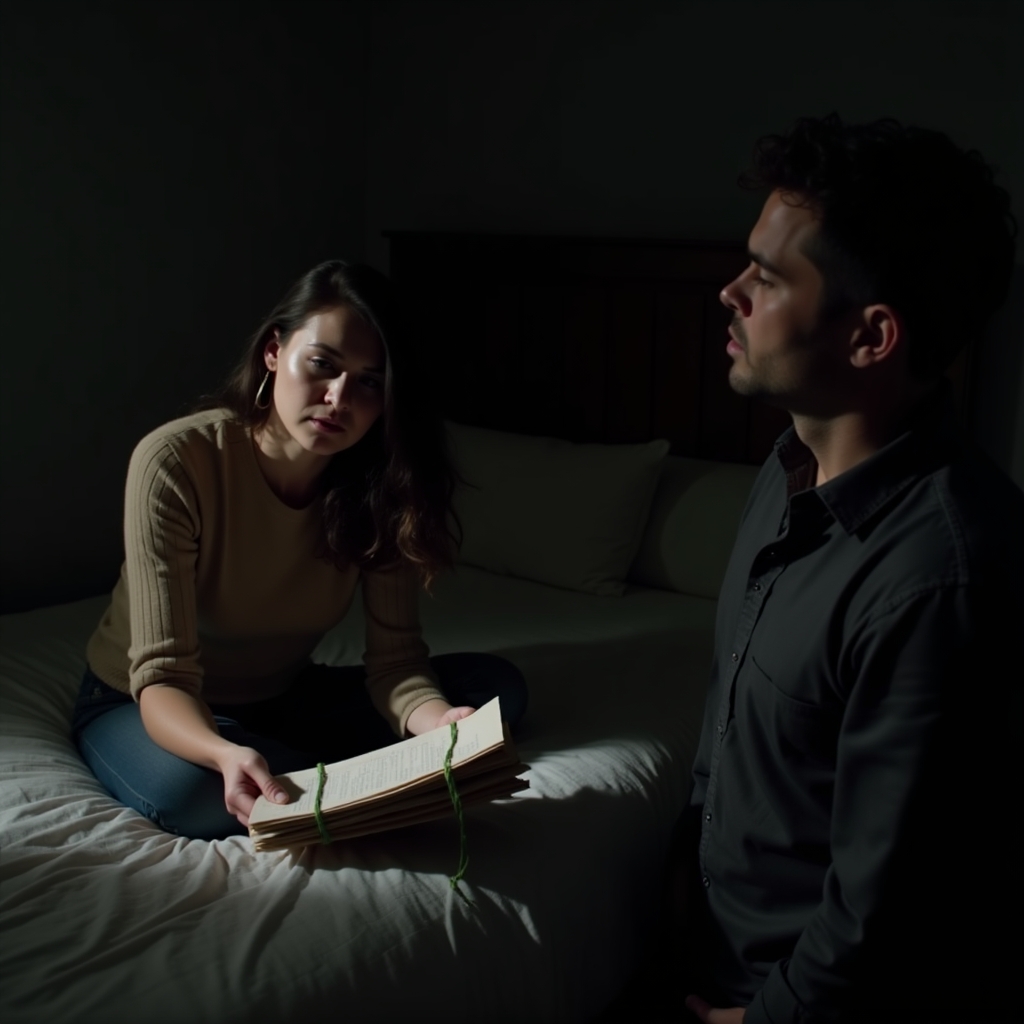
The conversation with her parents was tender, the air thick with the scent of incense, a constant in their home. She spoke with a calm determination, her voice steady despite the nerves that danced beneath her skin. She shared her dreams, her desire to experience life on her own terms, her love of literature and the path it had opened before her.
Her parents listened, their expressions shifting from initial surprise to understanding. There was no dramatic outburst, no harsh words—only a quiet acceptance that bloomed slowly, gently, like a flower unfurling its petals to the sun. They recognized the strength in her words, the sincerity in her resolve.
In the days that followed, an unspoken agreement settled between them, a mutual respect borne of honesty and love. Leena’s choice did not sever her from her family, but instead wove a new pattern into their shared tapestry, one where her individuality was celebrated, not suppressed.
As the waves continued their eternal rhythm against the shore, Leena walked the familiar streets with a lighter step. She carried the certainty of her decision like a talisman, a reminder of the quiet strength that had guided her to this place of peace.