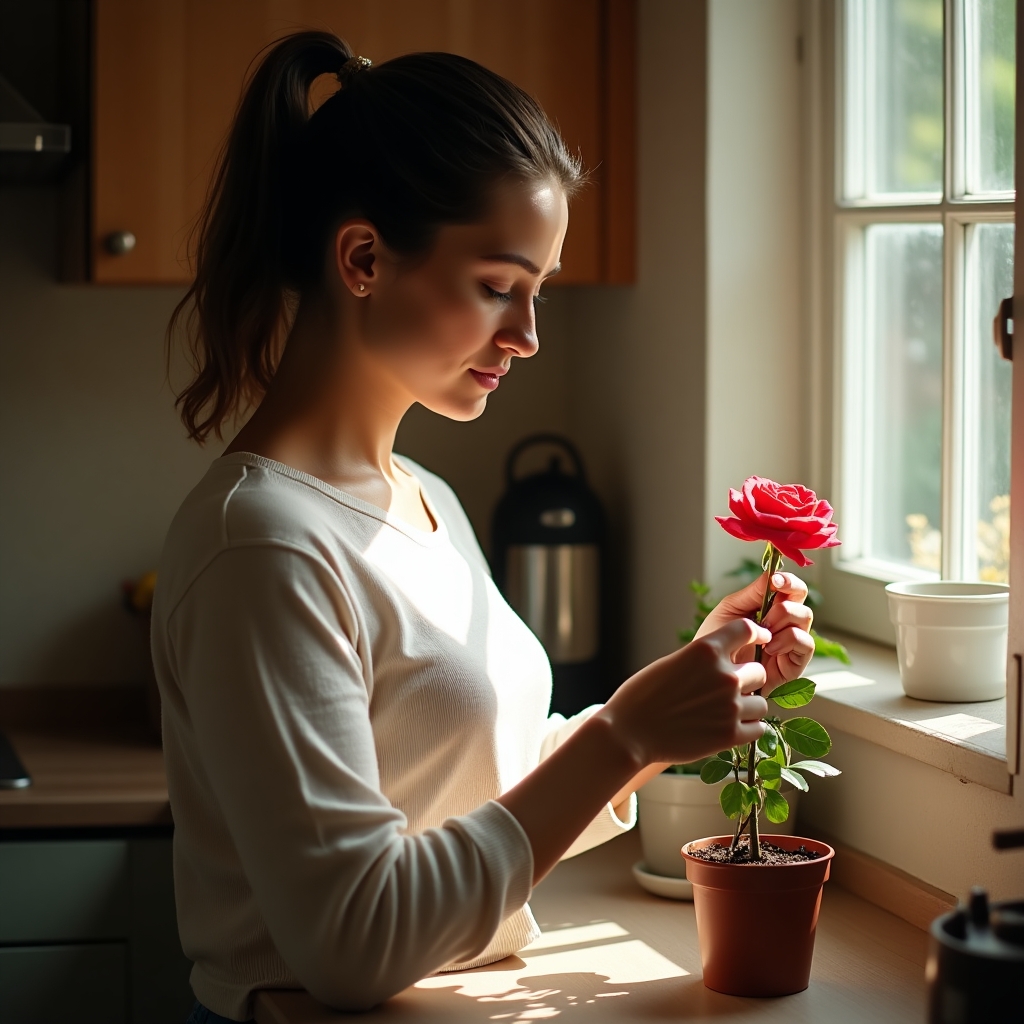



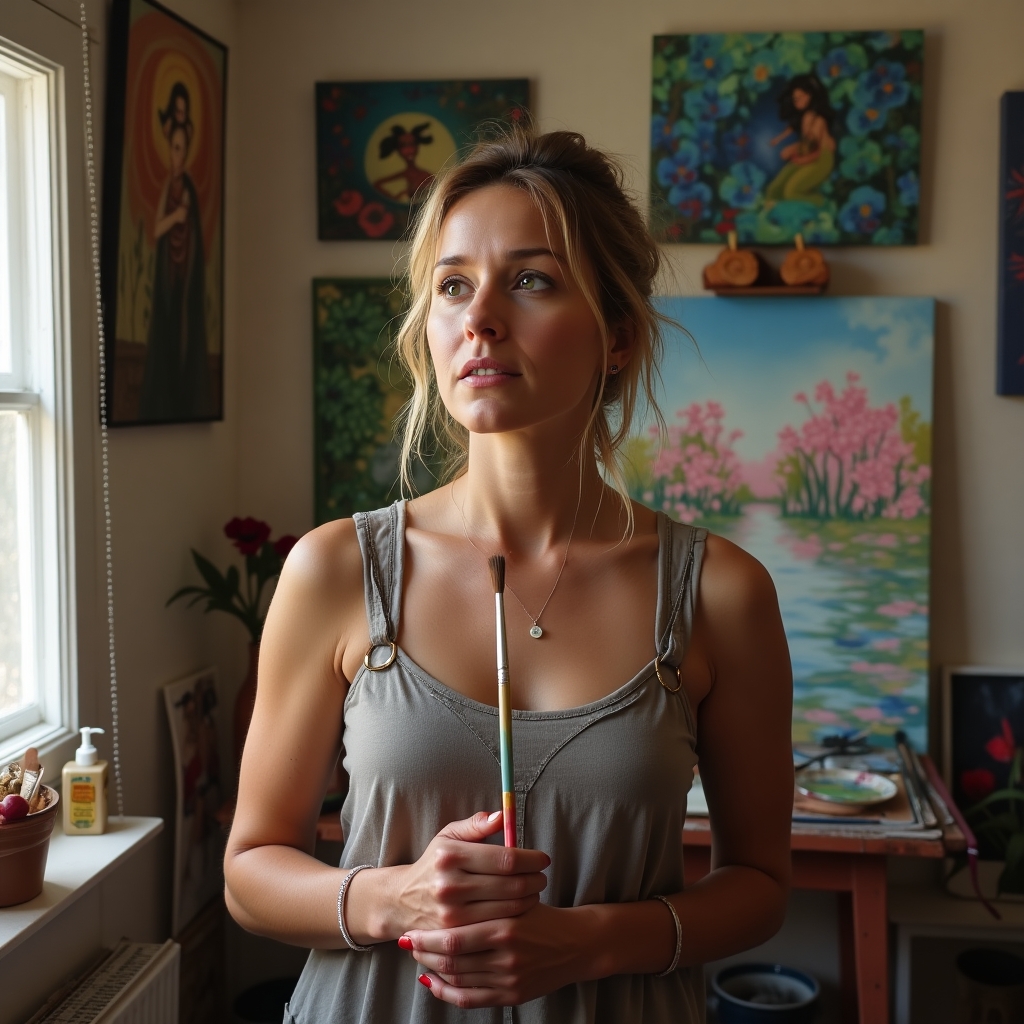
Anna stood in the kitchen, her eyes fixed on the worn linoleum floor. The hum of the refrigerator was the only sound breaking the silence of the early morning. She cradled a cup of lukewarm coffee, her first attempt at claiming a moment for herself in what felt like years. The sun had just begun its timid crawl over the horizon, casting a tentative glow through the small window above the sink.
The house echoed with stillness, a rare calm before her parents would awaken and the day resumed its usual demands. As the youngest in a family that thrived on tradition and expectation, Anna had spent much of her adult life in the quiet margins, her desires often overshadowed by her parents’ louder needs.
“Anna, did you remember to call Mrs. Larkin for the garden club?” Her mother’s voice cut through the early morning quiet, unstoppable and relentless as always.
“Not yet, but I will,” Anna replied, setting her barely touched coffee on the counter.
Her mother nodded, her expression a mix of approval and mild exasperation. “And don’t forget to pick up your father’s prescription on your way back from the store,” she added, her tone leaving no room for discussion.
Anna nodded, the weight of compliance heavy on her shoulders. It had always been like this, a series of tasks and reminders that filled her days, leaving little space for her own thoughts or aspirations. She had grown accustomed to it, learned to measure her worth through the seamless execution of others’ needs.
Her thoughts wandered to the box under her bed, concealed yet ever-present. It held notebooks filled with sketches and drafts—her art, her passion, her forgotten voice. She hadn’t dared share them with anyone, not even when her heart ached to paint the world she saw.
As the days passed, each one blending into the next with the same predictable routines, Anna felt a growing restlessness within her. It was subtle but persistent, like the first whispers of a storm. The world outside her window seemed to beckon with promises of something different, something entirely hers.
One evening, as she walked back from the pharmacy, she lingered by the small town’s art supply store. Her eyes scanned the vibrant tubes of paint and blank canvases that seemed to pulse with untapped potential.
“Can I help you with anything?” the store clerk asked, her voice friendly and inviting.
Anna hesitated, her instinct to decline rising to her lips, but something within her faltered. “Just looking,” she replied, the words more tentative than she intended.
“Well, let me know if you change your mind. We have a great selection of beginner kits,” the clerk offered, giving Anna a warm smile before returning to her tasks.
For a moment, Anna imagined herself buying one of those kits, taking it home, and finally allowing herself to create. The thought was intoxicating, yet daunting, and as always, she pushed it aside, continuing home under the familiar weight of expectation.
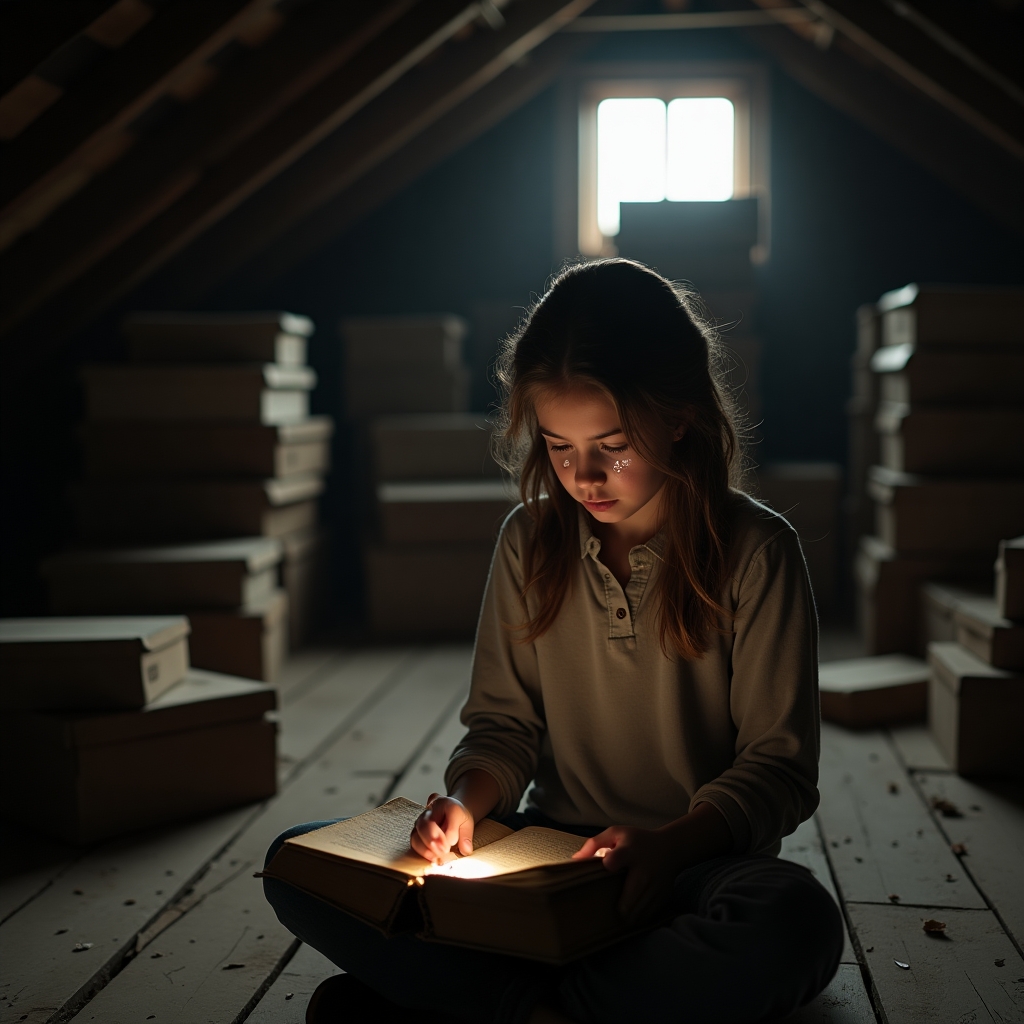
That night, as the household settled into its nightly rhythm of muted conversations and the quiet clatter of dinner plates, Anna found herself drawn to her old room. She retrieved the box, opening it slowly, as if greeting an old friend. The pages bore the marks of her younger self, a girl with dreams and hope and a voice loud enough to echo through the years.
As she leafed through the sketches, she felt something shift within her—a quiet resolve. Her heart quickened, and with it, an unexpected courage unfurled, delicate yet unyielding.
The next morning at breakfast, Anna sat across from her parents, the usual silence punctuated only by the clinking of cutlery against porcelain. The tension in her chest grew as she gathered the strength to speak.
“I’ve been thinking,” she began, her voice steady but soft. Her parents looked up, surprised by the break in routine. “I’d like to start painting again,” Anna continued, her gaze meeting theirs with a quiet determination.
Her mother’s fork paused mid-air, the surprise evident in her eyes. “That’s nice, dear,” she replied, her tone cautious, “but you can still help with the garden club, can’t you?”
Anna smiled gently, feeling the full weight of her words. “I think I’d like to start focusing more on my art,” she said, her voice firmer now.
Her father glanced at her over his glasses, an unreadable expression on his face. “Well, as long as you manage your responsibilities,” he said, a note of skepticism in his voice.
Anna nodded, feeling a strange mix of fear and exhilaration. “I will,” she promised, more to herself than to them.
Over the following weeks, small changes took root. Anna began painting in the evenings, her room slowly transforming into a sanctuary of color and creativity. Her parents were bewildered at first but gradually adjusted, the new rhythm of their lives settling into place.
It was a small revolution, one that began with a few strokes of paint and grew into a reclamation of self. Anna discovered a new language, one that spoke not only of colors and shapes but of freedom and identity.
For the first time in years, she felt alive, untethered from the quiet suppression that had defined her existence. Her art became a testament to her autonomy, a celebration of the voice she had almost lost.
And in that small but powerful act of liberation, Anna found herself anew.