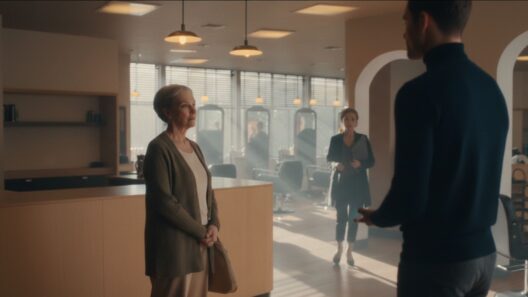
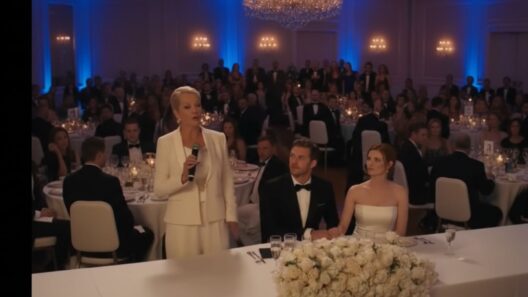
Maya stood at the mouth of the cavern of lights, the living room where her family gathered every Friday evening for dinner. It was tradition, a ritual woven deep into the fabric of her upbringing. The scents of cumin and coriander danced through the air, whispering tales of a heritage she both cherished and felt suffocated by.
In the corner, her grandmother’s voice rose and fell with a melodic cadence, recounting stories of resilience and pride, tales of a time when the family fled their war-torn homeland to start anew on foreign soil. Maya admired her grandmother’s strength, yet each story painted the walls of her mind with expectations she felt she could never meet.
Maya’s family expected her to follow a path that was clear and well-trodden: a degree in business, a career in the family’s import company, marriage to a suitable partner. But Maya’s heart pulled her elsewhere, towards art, towards expression and color, towards a life uncharted. She felt adrift in this sea of expectations, her true self submerged beneath waves of duty and tradition.
She smiled politely, nodded at the right moments, and filled her plate with her mother’s lovingly cooked dishes. Yet, inside, a storm brewed, each lightning flash a fleeting glimpse of her innermost desires. She carried this tension silently, the weight of it a constant companion.
As the evening wore on, the conversation turned to plans for the future. Her father’s voice was firm, his expectations clear. “Maya, after graduation, you’ll come work at the company, of course. We need fresh energy like yours to keep the legacy alive.”
She nodded mechanically, as she always did, though her heart screamed in protest. She longed to paint, to capture moments on canvas, to breathe life into her dreams. Her soul yearned for freedom, but her voice was a prisoner of politeness and fear.
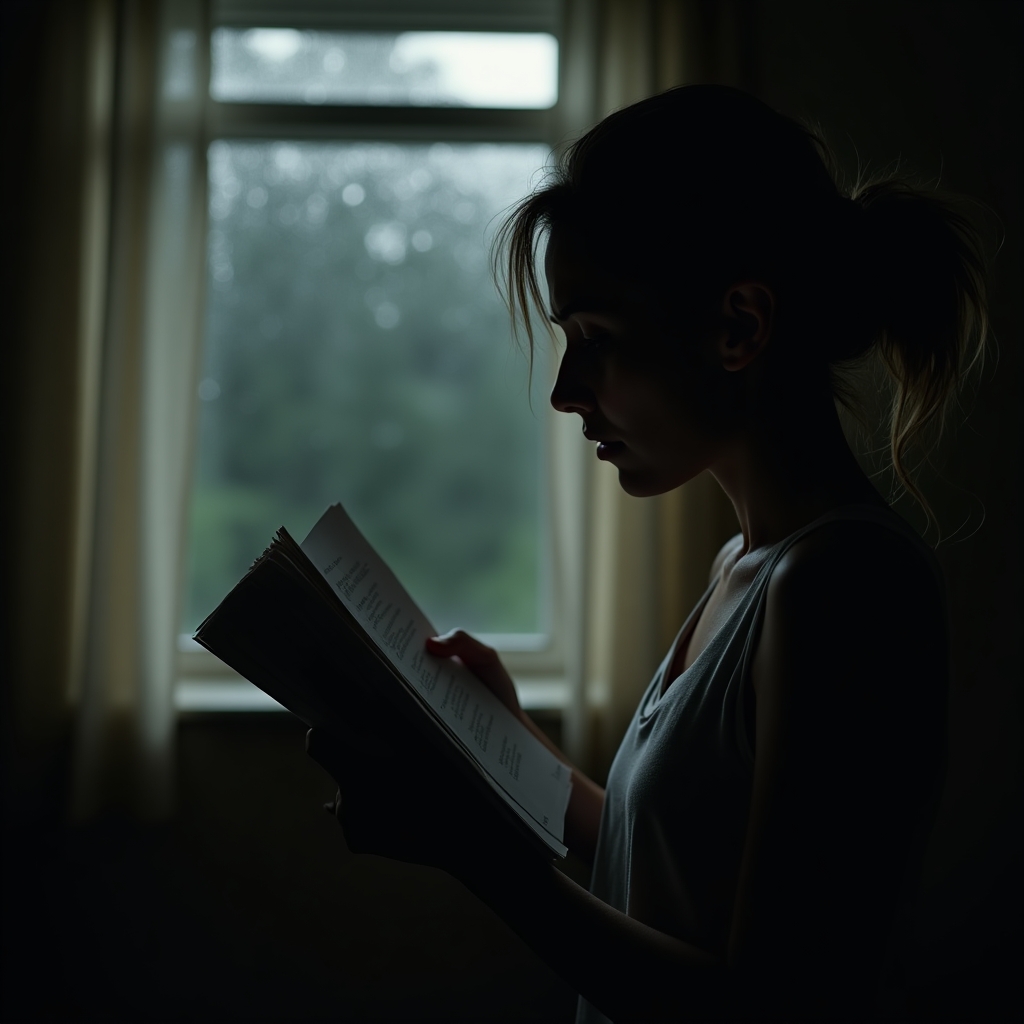
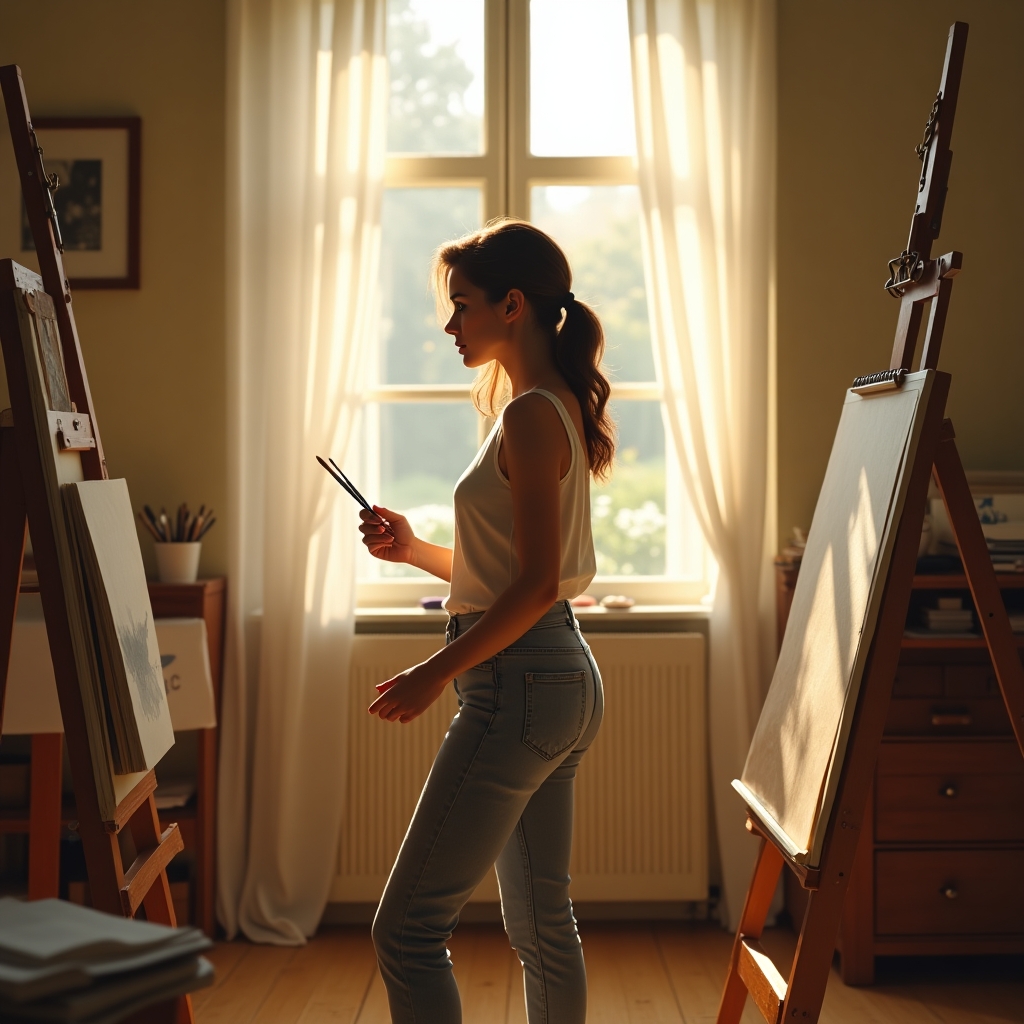
It was later, when the house had quieted and she found herself alone in her room, that Maya felt the full weight of her turmoil. Her sanctuary of sketchbooks and brushes were her only solace. She closed her eyes and let her mind wander to the future she craved: an art studio, a canvas alive with color, her heart unfettered.
As she opened her eyes, a soft knock came at the door. Her grandmother entered, her presence a soothing balm to Maya’s restless spirit. With a quiet grace, she sat beside Maya, her eyes kind and understanding.
“Maya, I can see the storm in your eyes,” her grandmother began, her voice gentle. “I know the weight of expectation you carry. But remember, our true legacy is not just in what we build, but in who we become.”
Maya felt tears prick her eyes, a release she hadn’t realized she needed. Her grandmother’s words were a balm, an acknowledgment of her silent struggle. “But I don’t want to disappoint everyone,” Maya whispered, her voice barely audible.
Her grandmother took her hand, her touch a tether to both the past and the future. “You must live your truth, Maya. That is the greatest gift you can give us. To see you happy, living your passion, that is the real legacy.”
In that moment, the storm within Maya began to calm. Her grandmother’s acceptance gave her permission to breathe, to hope. It was as if a veil had lifted, revealing a path she could walk without fear.
The next morning, Maya stood before her family, her heart pounding but her resolve steady. “I want to pursue art,” she said, her voice clear and unwavering. “I need to follow my own path.”
The room was silent, the air thick with the weight of her declaration. Her parents exchanged a look, their expressions unreadable. Then, her father nodded slowly, an unspoken understanding passing between them. “If that is your passion, then we will support you.”
It was a quiet victory, a moment of clarity that would echo through her life. Maya knew the journey ahead would not be easy, but she had found her strength, her voice. And with it, the courage to honor both her dreams and her family’s legacy in her own unique way.