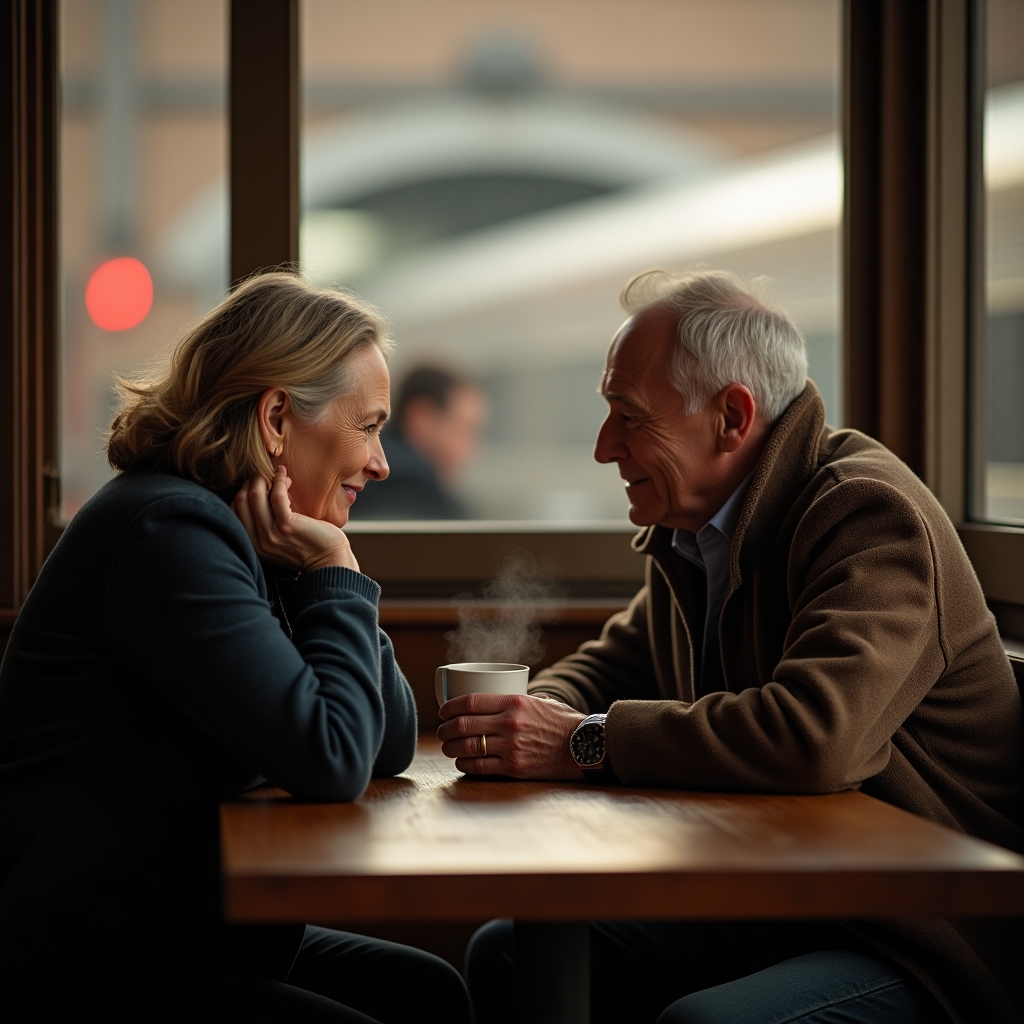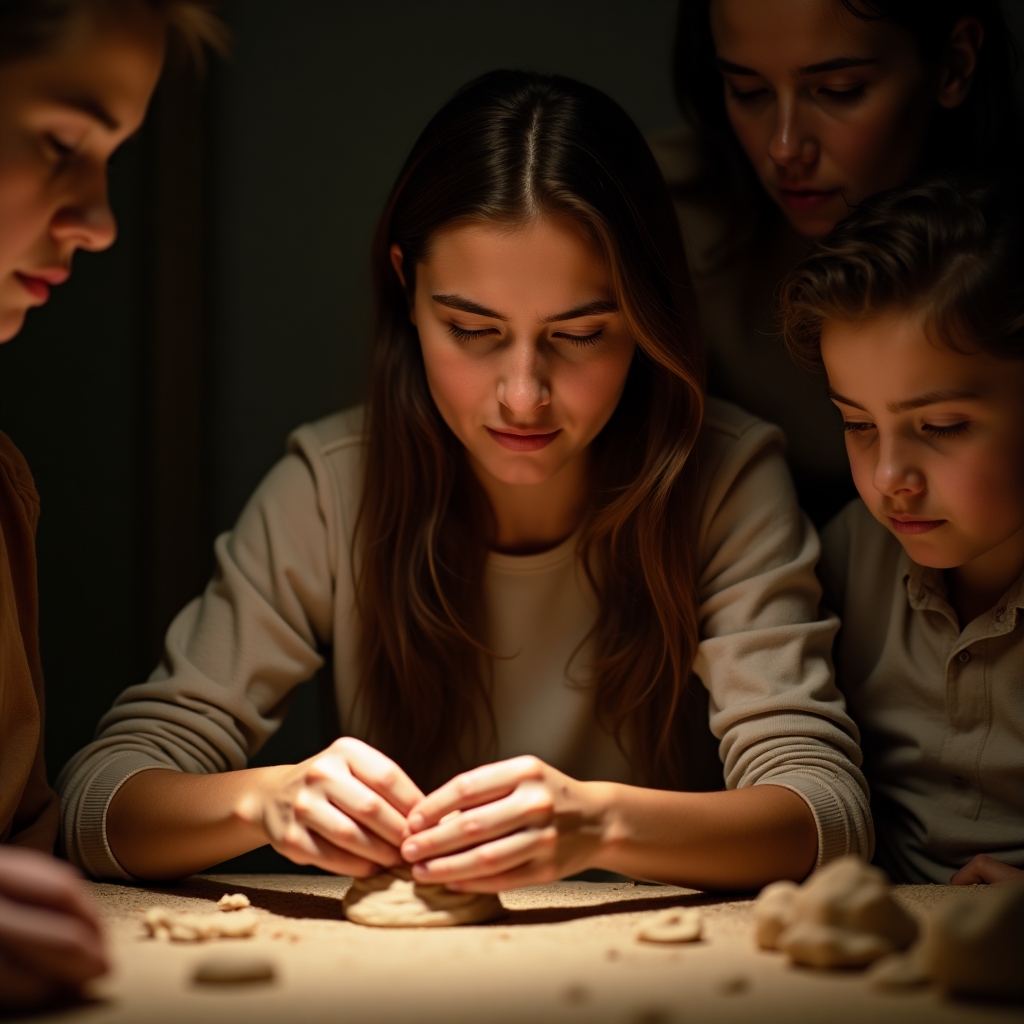





In the small town of Pemberton, where time seemed to flow as steadily and predictably as the river beside it, Ella stood at a crossroad. She was a young woman of twenty-two with dreams painted in hues of independence and self-discovery, yet tethered by threads of tradition and expectation. Her family, a deeply rooted one with branches spreading across generations of bakers and grocers, had given her a life marked by love, hard work, and a formidable sense of duty.
From a young age, Ella had shown a particular flair for art. Her notebooks were filled with sketches of things she loved—grandmothers with their timeworn hands, the vibrant chaos of the marketplace, the delicate flora that dotted their backyard. Yet, her parents, particularly her mother, saw this as nothing more than a pleasant hobby, a skill to be celebrated in family gatherings rather than pursued.
“A real job,” her mother would say, “is one that keeps you grounded, like the bakery. Art is a dream, and dreams float away.”
Ella nodded, always nodding, because to nod was easier than to explain the ache that gnawed at her, the longing to lift the brush not just for fun but for life. Each day she helped at the bakery after her classes, her heart split between the aroma of freshly baked bread and the thought of colors splashing on a canvas.
The bakery was a character unto itself in this tale—a warm, fragrant bastion of her family’s identity. Ella loved it dearly. The gentle flicker of the oven fire, the rhythm of kneading dough, the quiet conversation between her parents as they prepared for the day’s customers. Yet, in those cherished memories lay the heart of her inner turmoil.
There was a subtle tension, always weaving through her interactions with her family—a pressure to conform, to fit perfectly into the mold cast by previous generations. The expectation that she would follow the path laid out before her, to take over the bakery one day alongside her older brother, was a silent but constant companion.
Her friends, though well-meaning, could only offer sympathy and platitudes. “Why not do both?” they’d suggest, not understanding the weight of the commitment that ran in her family. The bakery wasn’t just a job; it was a legacy.
Ella tried to envision herself settling into this path, becoming as rooted as the buildings that lined Main Street. But each time she imagined a future without art, a small part of her dimmed. The vibrant scenes in her mind turned monochrome.
One evening, after a particularly long day of helping prepare for the town fair, Ella sat alone in her room. She stared at a blank canvas propped against the wall. It seemed to speak to her, whispering of possibilities yet unrealized.
With a heavy heart, she picked up a brush. As she began to paint, the tension within her seemed to melt away with each stroke. Blues blended into greens, swirling into a depiction of the very crossroads that haunted her dreams. For hours she painted, losing herself in the flow of creativity that she had denied far too long.
It was there, in the quiet sanctuary of her room, that the truth dawned upon her—not as a loud epiphany but as a gentle, reassuring whisper. She realized that while the bakery was indeed part of her, it was not the whole of her. Her identity was not binary, not simply baker or artist, but a mosaic, a blend of these and many other aspects of herself.
As dawn crept in through the curtains, bringing with it the sounds of the waking world outside, Ella looked at the finished painting. It was a landscape that captured both a bakery and an art studio, side by side under a sky of sunrise hues. It spoke of balance and possibility.
With newfound clarity, Ella knew she had to speak to her family. It wasn’t about rejecting their legacy; it was about embracing her own truth within it. The conversation would not be easy—conversations of true heart rarely are—but she was ready now, with the understanding that her dreams, like the bakery, were part of her story.
At breakfast the next morning, with courage drawn from the colors that had always been her companions, Ella began to speak. Her parents listened, their faces a mixture of surprise and contemplation, and through their gaze, Ella saw not the disappointment she had feared, but a spark of recognition and love.
The journey towards their acceptance would be a process, much like perfecting a new recipe. But in the quiet aftermath of her confession, as the morning light filled the kitchen, Ella felt the first steps towards healing the generational divide.
She realized then, that sometimes, honoring the past also meant carving a path for the future—a path that only becomes clear when we dare to acknowledge and embrace the truth within us.