



In the quiet town of Kilburn, nestled between rolling hills and endless skies, lived a family bound by tradition and whispers of the past. The O’Connors had been a fixture in the community for generations, known for their commitment to customs that felt as old as the stones that lined the town’s paths. Within this sphere of historical echoes and familial duties existed a young adult named Maeve.
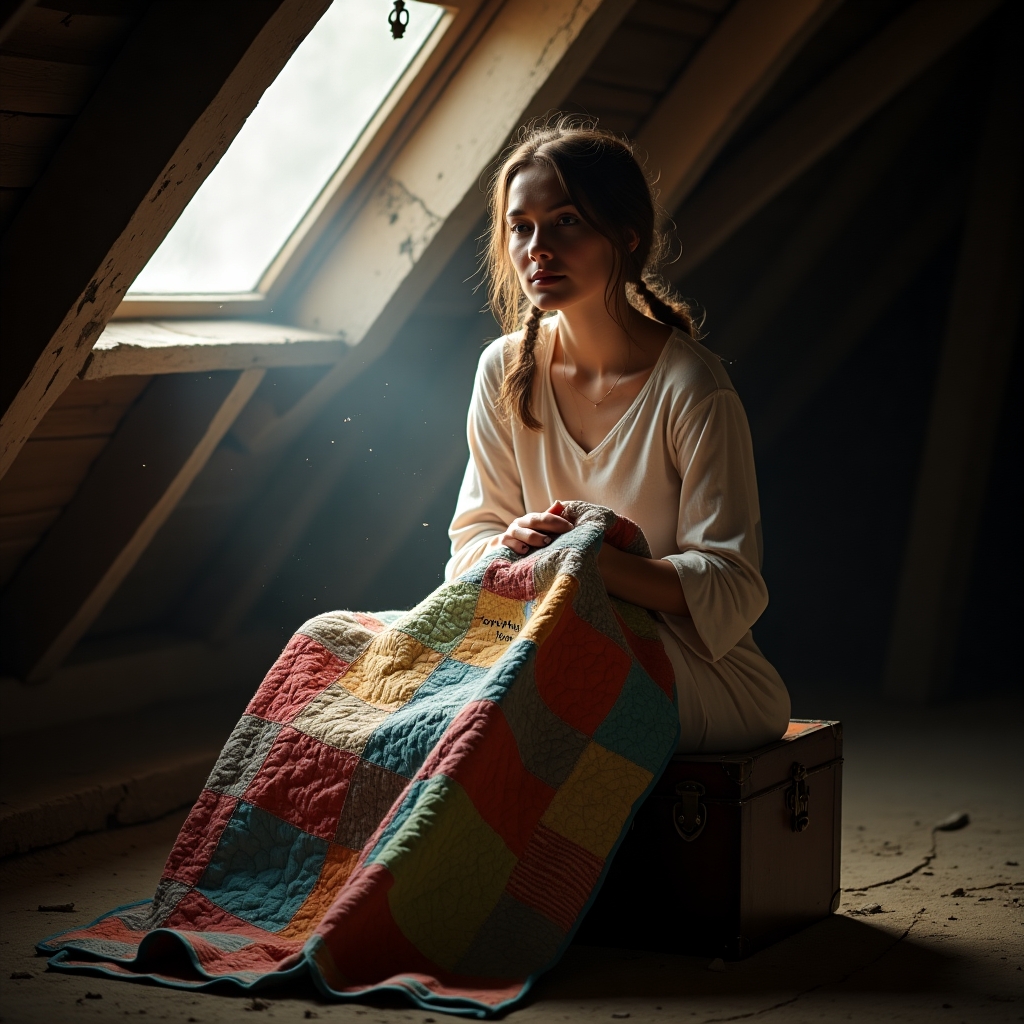
Maeve O’Connor was a contemplative soul, drawn to the world beyond Kilburn’s border by an insistent yearning. She spent countless afternoons on the hill behind their aged stone house, gazing toward the horizon as though it held all the answers. Maeve’s mind was a tapestry of ideas and dreams starkly different from the life her parents envisioned for her—one filled with the rhythms of the family bakery, the warmth of familiar faces, and the expectation of walking the well-trodden pathway of her ancestors.
The O’Connor bakery was more than a business; it was a testament to their legacy. Maeve’s great-grandfather had started it after arriving from Ireland, carrying with him the secrets of recipes passed down through the generations. For Maeve’s parents, Conor and Siobhan, this bakery represented stability and pride, with Siobhan often saying, “As long as there’s bread in Kilburn, there’s an O’Connor hand in its making.”
Yet Maeve, caught in the crosscurrents of duty and desire, found herself silently questioning. Each morning, she rose with the dawn to knead dough alongside her parents, the rhythmic motions both comforting and confining. Her hands moved skillfully, yet her heart yearned to explore art and philosophy, worlds she glimpsed in the worn volumes she borrowed from the town’s modest library.
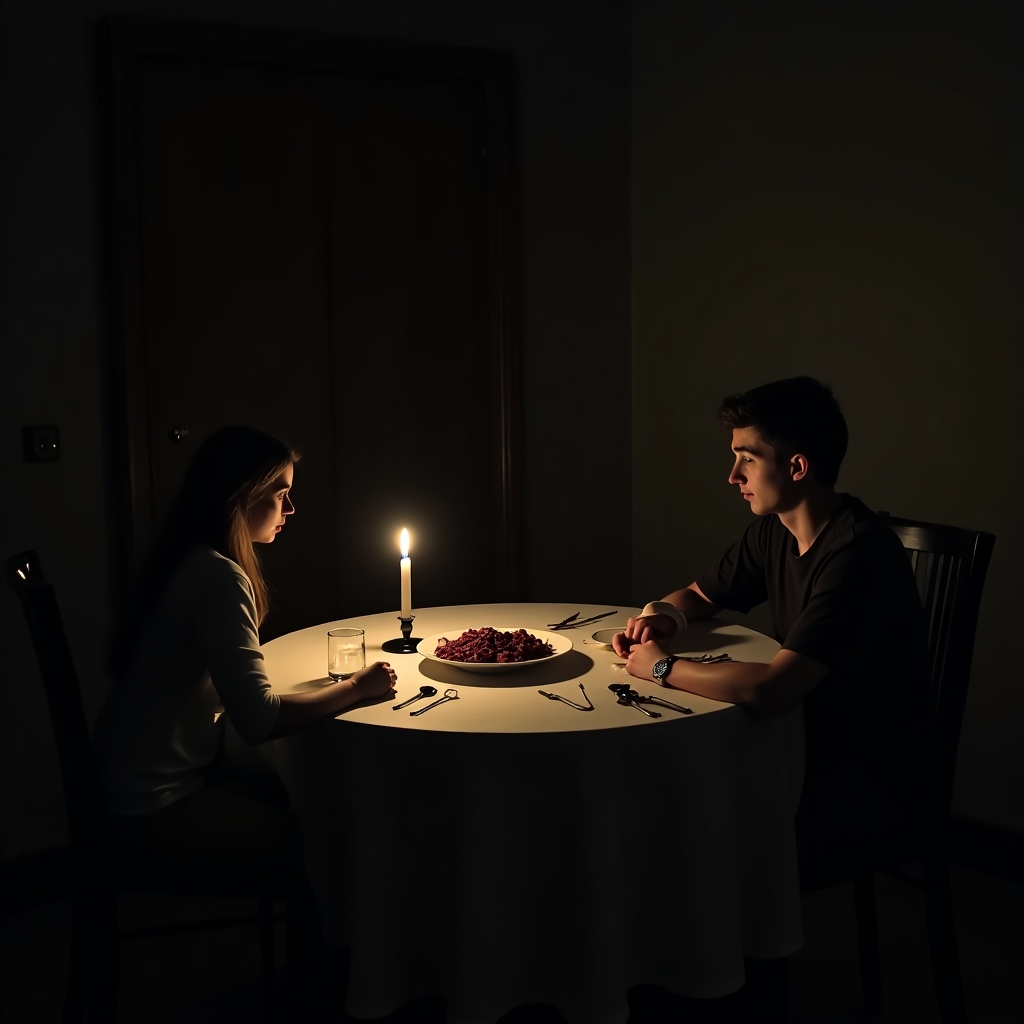
The unspoken tension that quietly simmered between Maeve and her parents was not one of anger but of mutual misunderstanding. Her parents saw her restlessness as a phase, a youthful curiosity that would eventually settle into the pragmatic acceptance of tradition. Maeve, however, felt a growing heaviness, an internal dialogue that questioned if loyalty to her family meant forfeiting the essence of who she was.
One evening, as the sun dipped below the horizon, painting the sky in hues of amber and crimson, Maeve sat with her grandmother, Fiona, on the porch. Fiona was a woman of stories, her eyes reflecting decades of wisdom and warmth. As Maeve expressed her inner conflict, Fiona listened quietly, her knitting needles clicking softly in the background.
“My dear,” Fiona began after a moment of silence, “the greatest challenge is knowing when to listen to your own heart over the whispers of others. We are shaped by our past, yes, but we must also be brave enough to carve our own path.”
Maeve’s heart fluttered, her grandmother’s words a balm to her troubled spirit. Yet, the next morning, she found herself back in the familiar cycle of the bakery, the comforting smell of fresh bread mingling with her uncertainties.
As weeks turned into months, Maeve carried Fiona’s words within her, like a secret kernel of hope waiting to sprout. She found solace in small acts of rebellion—sketching in the quiet moments between customers, reading excerpts from her favorite books aloud to the empty bakery.
The pivotal moment came one autumn morning when Maeve discovered an art workshop at a community center in a neighboring town. Caught between exhilaration and guilt, she hesitated before mentioning it to her parents. Conor, sensing her enthusiasm, looked at her with a mixture of pride and resignation. “Maeve,” he said, his voice tinged with emotion, “you must find your own way. Just remember where you come from.”
The art workshop was a revelation. Maeve felt her heart soar as she painted, the colors and forms on the canvas an extension of her soul. In those moments, free from the confines of expectation, Maeve found her clarity. She realized that honoring her family did not necessitate losing herself. Instead, she could bridge the gap between tradition and individuality.
Returning to Kilburn, Maeve approached her parents with a newfound confidence. She shared her dreams and fears, opening a dialogue that had long been shrouded by silence. To her surprise, Conor and Siobhan listened with understanding, even if their own dreams for her were different.
In the months that followed, Maeve introduced art into the bakery, her paintings adorning its walls, breathing new life into the space. Customers were drawn to the fusion of tradition and creativity, and the bakery became a symbol of harmony between the old and new.
Maeve’s quiet journey of self-discovery and her family’s acceptance opened a pathway for others in Kilburn to pursue their aspirations without losing sight of their roots. The transformation was subtle, yet profound, a testament to the power of emotional courage and the healing of generational gaps.