


In the quiet suburb of Maplewood, where the streets were lined with mature oak trees and gardens that seemed to bloom in perfect synchrony, lived Sophia. She was a young adult of 23, carrying the weight of her family’s expectations like an unseen but constant shadow. Sophia’s family had immigrated from a small town in Italy decades ago, bringing with them stories of hardship and resilience, narratives woven into the very fabric of their identity. Sophia grew up absorbing these stories, feeling both inspired and trapped by the legacy they enforced.
Sophia had always been the embodiment of diligence, excelling in school and later, in her attempts to pursue a career in medicine. This path was not entirely her choice but a dream, almost an heirloom, passed down from her grandparents, who saw in her the realization of opportunities denied to them. The cultural and familial expectations were woven into her daily life, from the conversations around the dinner table to the hushed tones of pride and urgency in her parents’ voices.
Yet, beneath the polished surface of her life lay a quieter storm of doubts and desires. Sophia harbored a passion for art and yearned to express herself through the strokes of a brush, to capture fleeting moments of beauty that she noticed on a mundane walk or in the pages of a tattered book. She sketched in secret, hiding her notebooks under her mattress like contraband. The delicate balance between her personal values and her family’s expectations created a tension that thrummed quietly through her days.
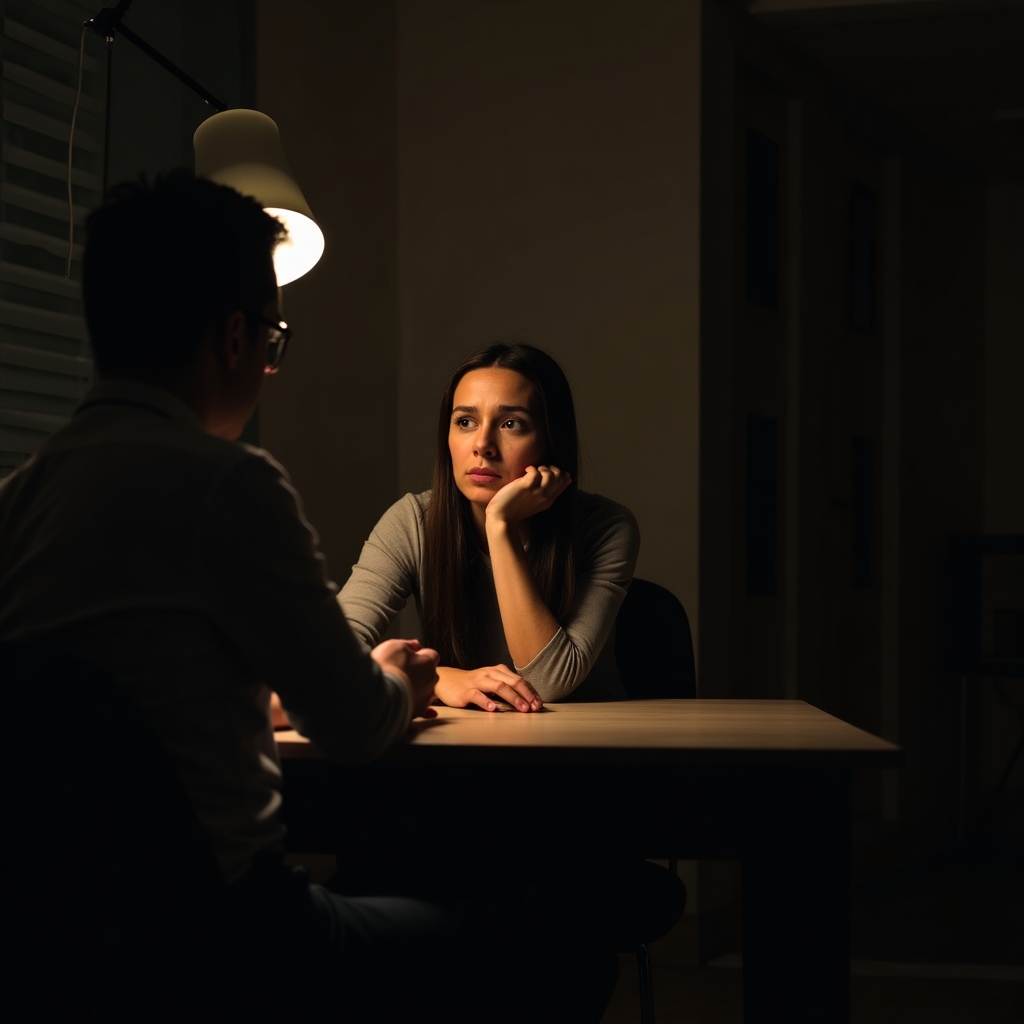
Every Sunday, the family gathered for supper, a ritual steeped in tradition. The room echoed with laughter and the clinking of glasses, but Sophia often found herself retreating inward, feeling like an observer rather than a participant. Her father would recount stories of his childhood, the sacrifices made, the dreams deferred, painting a picture of a life that was both proud and burdened.
“Sacrifices must be made for the greater good,” he would often say, eyes fixed on Sophia with an unspoken hope that she would inherit this mantle of responsibility.
Sophia nodded, her silent agreement a reflex rather than a conviction. The pressure to fulfill her family’s dreams was immense, yet the guilt of neglecting her own desires gnawed at her. It was a silent battle within her, playing out in the quiet moments of her day, when she sat alone amidst her books, staring out at the world beyond.
One evening, after a particularly arduous day at the hospital where she interned, Sophia found herself walking aimlessly through the streets, the shadows lengthening as dusk fell. Her steps led her to a small art gallery she had often passed but never entered. The dimly lit space was a sanctuary, filled with vibrant paintings that seemed to pulse with life and emotion.
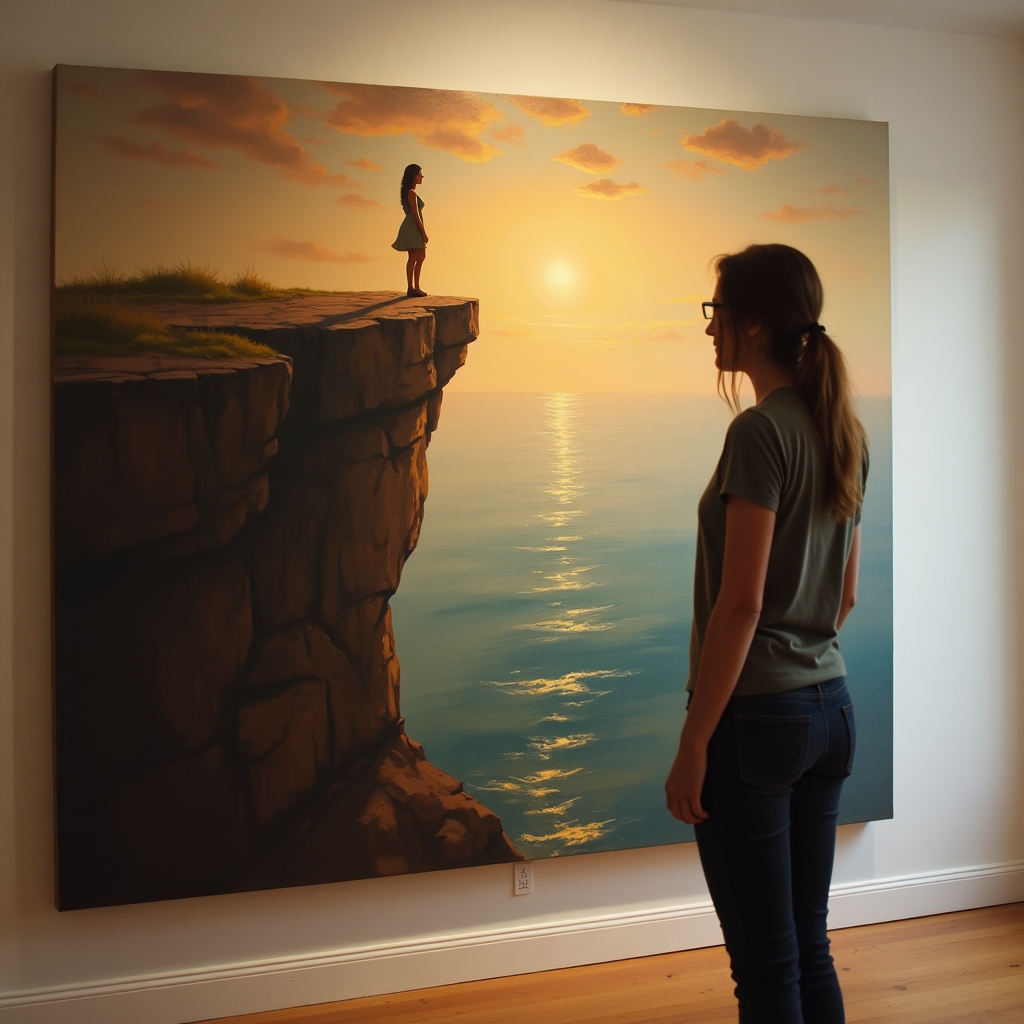
Sophia wandered through the gallery, her heart quickening as she absorbed the colors, the textures, the stories told through each piece. Here was a world where dreams were captured and celebrated, not hidden away. Tears pricked her eyes as she stood before a painting that depicted a woman, poised on the edge of a cliff, the wind catching her hair as she gazed out to sea. The image resonated deeply within her, a metaphor for the precipice on which she found herself.
That night, as Sophia lay in bed, the painting lingered in her mind, a haunting reminder of the life she longed for. The next morning, her resolve hardened, she decided to confide in her grandmother, the matriarch of the family. Her grandmother was a woman of few words, but her eyes held a depth of understanding that surpassed language.
“Nonna, I’ve been thinking,” Sophia began, her voice trembling but determined, “I want to pursue art. It’s my passion, my truth. I feel like I’m living someone else’s dream, not my own.”
Her grandmother’s silence stretched out, profound, until she finally spoke, “Sophia, your heart knows what it wants. Our dreams were shaped by the confines of our lives, but your world is bigger. Follow it, and let it lead you to where you truly belong.”
In that moment, the tension that had silently tormented Sophia began to ease, replaced by a sense of clarity and newfound strength. Her truth was not a rejection of her family’s dreams but an evolution, a new chapter in the legacy they had built.
As Sophia embraced her path, she found ways to weave her family’s stories into her art, capturing the essence of her heritage in colors and forms. The gallery she once feared was a place of judgment became a platform for her voice, a bridge between past and present.
In the quiet moments of her life, the echoes of expectation lingered, but they no longer held her captive. Instead, they became a melody, harmonizing with her own, as she penned her story into existence.