


Lydia stood at the window of her apartment, watching the city lights flicker against the inky night sky. The glass was cool against her forehead, a stark contrast to the warmth of her thoughts, which spiraled endlessly in her mind. She had always been the obedient daughter, molded by the firm, loving hands of her parents into the perfect image of what they desired. Yet here she was, teetering on the edge of what seemed like an insurmountable decision.
Growing up, Lydia’s parents had instilled in her the values of hard work, respect, and loyalty to family. They were first-generation immigrants who had worked tirelessly to give Lydia and her brother a life filled with opportunities they could only have dreamed of. Her father often shared stories of their struggles back home and the sacrifices made to ensure a stable future in this new land. Lydia listened with wide eyes, absorbing the weight of their dreams which had merged to form her own.
As she moved through school and into adulthood, Lydia’s path seemed predetermined, a straight line toward a future laid out by her parents. She excelled academically, pursued a career in medicine as expected, and never drifted from the moral compass they had provided. But within her, a soft, persistent whisper nudged her toward a road less traveled, one that diverged sharply from her family’s expectations.
Lydia had a secret passion for art – not just creating it, but understanding it, living it. The vibrance of colors, the stories locked within canvases, called to her in a way she couldn’t ignore. This passion was her sanctuary, a place where time stilled, and she could breathe. But to her family, art was a hobby, never a career.
The pressure of adhering to her family’s cultural expectations weighed heavily on Lydia. She felt a constant tension between her own desires and the dreams her parents had built for her. Each family gathering was a reminder of the silent obligation she had to not only carry their legacy forward but also to succeed in a way they could display with pride.
In the quiet of her apartment, Lydia often reflected on the duality of her existence – the dutiful daughter and the aspiring artist. It wasn’t until a conversation with her brother Alex that the walls she built to suppress her true self began to crack.
Alex had returned from a semester abroad, visibly transformed. He spoke enthusiastically about the freedom he experienced being away from home, the space to explore his own identity. Over coffee, he gently suggested, “Lydia, what do you really want to do? Beyond the expectations, what calls to you?”
Her response was immediate and unbidden. “Art,” she confessed, looking down at her hands. The admission was bittersweet, a truth she had kept hidden for fear of disappointment.
Alex squeezed her hand reassuringly. “Then maybe it’s time to start considering what makes you happy, Lydia. They want you to have a good life, but it’s your life to live.”
It was a simple statement, but it struck chords of rebellion and introspection within her. Could she really separate her path from the one her parents envisioned? The weight of this potential divergence was suffocating, yet invigorating.
For weeks, Lydia wrestled with her thoughts, the tension building quietly but steadily. She spent long nights awake, heart racing at the thought of confronting her parents, but equally at the thought of never pursuing her true passion.
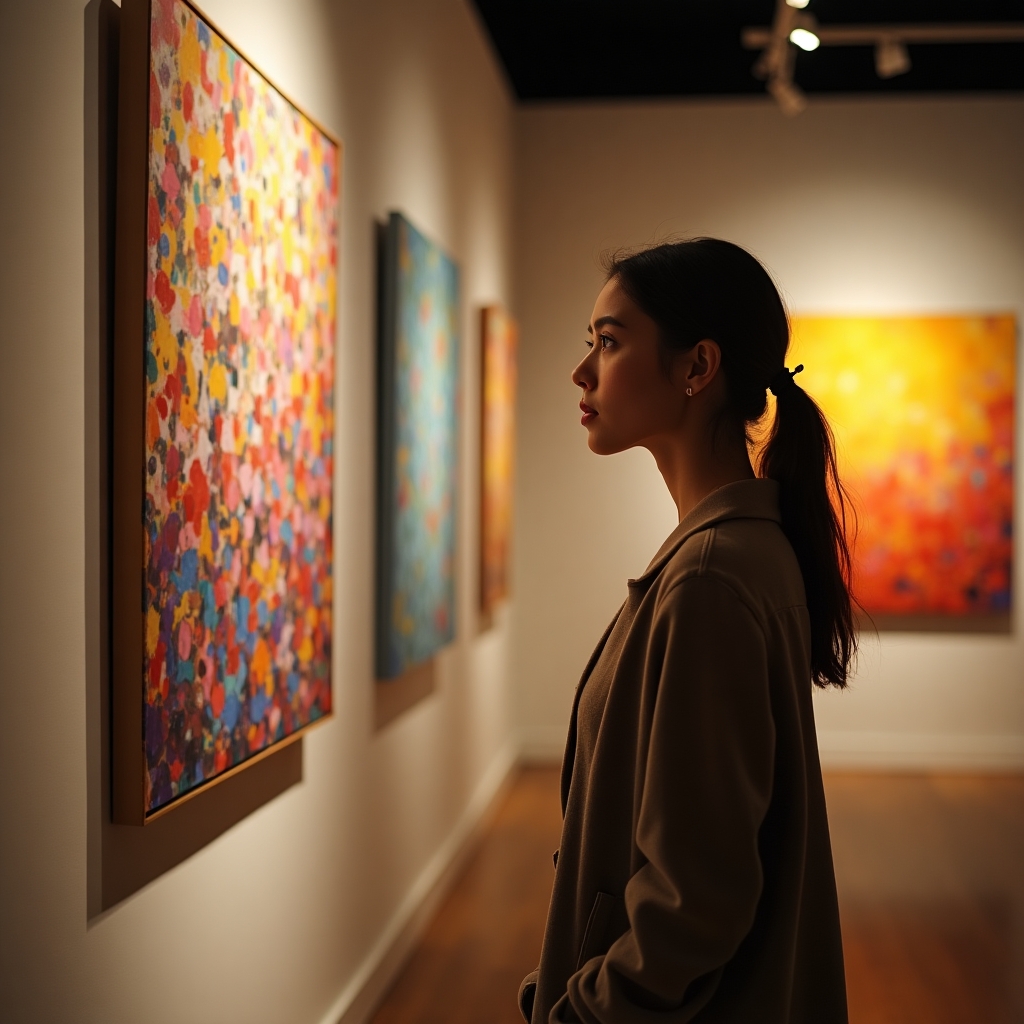
One autumn afternoon, as leaves danced whimsically outside her window, Lydia found herself in her favorite art gallery. The colors of a particular painting seemed to leap out at her, vibrant and unrestrained. It was an abstract piece, a riot of hues that whispered stories of freedom and self-expression.
Standing there, something shifted within Lydia. The tension that had been her constant companion dissolved, leaving clarity in its wake. She realized she was not betraying her parents by pursuing art but honoring them in a way they perhaps couldn’t yet understand – by being true to herself.
That evening, with her heart thudding in her chest, Lydia sat her parents down. She spoke from her heart, explaining her passion for art and her desire to follow this path. Her voice trembled, but her resolve did not.
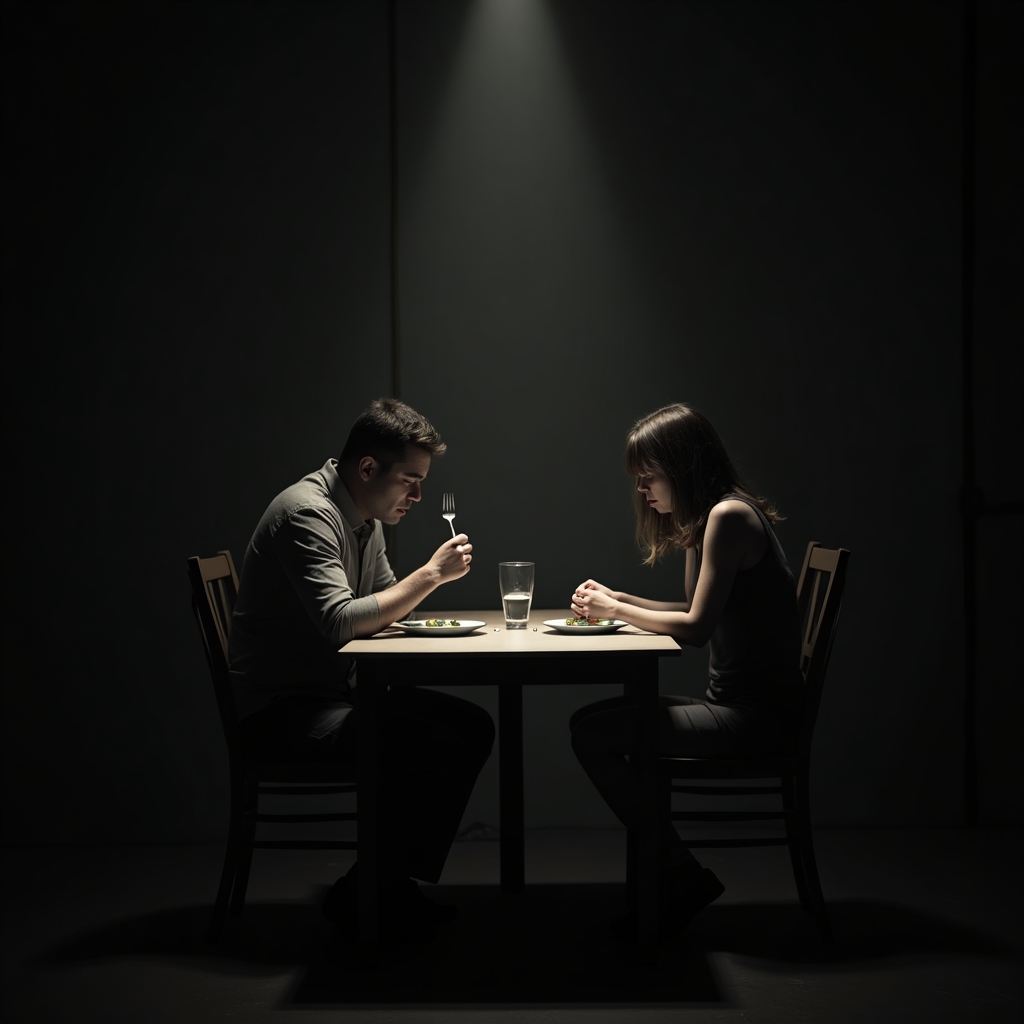
Her parents listened, expressions unreadable. The silence stretched, but Lydia held her ground, a quiet strength in her honesty. Her father finally nodded, a soft smile forming. “We have always wanted you to be happy, Lydia. We didn’t realize we might have been steering you away from that.”
Her mother’s eyes shimmered with unshed tears, but they were tears of understanding. “We trust you to find your way,” she said softly, pulling Lydia into a warm embrace.
In that moment, the bridge between Lydia’s values and her parents’ expectations was built, not of compromise, but of understanding and love – as delicate and strong as silk.
Lydia felt a wave of relief and joy. She knew the journey wouldn’t be easy, and the expectations would not vanish overnight, but she had taken the first step toward her truth.
From that day on, Lydia approached her life with a newfound confidence, her personal values and cultural roots intertwined, guiding her toward a future she could truly call her own.